Memory presets feel optional when you’re using your device alone, making setup quick and personalized. However, sharing a desk changes that, as your preferences can interfere with others’ usability or cause confusion. Managing multiple profiles or adjusting presets can help, but it adds complexity. If you keep exploring, you’ll discover ways to balance personalization with shared use, making cooperation easier without losing your own preferences.

Get comfort and recovery gear delivered free with Prime
- Fast, free delivery on millions of items
- Prime Video, Amazon Music and more included
- Member-only deals all year
Key Takeaways
- Personal memory presets enhance convenience but can interfere with shared device settings, causing usability issues.
- In shared environments, profiles or multiple user accounts help preserve individual preferences without disruption.
- Without proper management, presets may require frequent resetting, reducing their usefulness in collaborative spaces.
- Balancing customization and accessibility is essential to prevent presets from hindering shared device use.
- Properly managed presets improve efficiency for individual users while maintaining smooth collaboration.
Memory presets, once hailed as essential for quick access and convenience, now seem more optional than ever. You might appreciate how they streamline your workflow, allowing you to switch between settings with a single tap or click. But as you spend more time sharing your workspace or collaborating with others, the true value of presets becomes clearer. They’re not just about personal convenience—they’re about personalization options that help craft a seamless user experience. When you’re working alone, presets let you customize your device to fit your preferences perfectly. You set your favorite radio station, brightness level, or keyboard shortcuts, and everything feels just right. It’s a level of control that boosts efficiency and makes your day smoother.
Presets enhance personal workflows but can complicate shared device experiences.
However, when you share your desk or device, those personalized settings can quickly become obstacles. Imagine someone else using your computer or tablet and having to navigate through your custom configurations. It might seem minor, but it disrupts the user experience, especially if your presets change fundamental settings or obscure default options. You might find yourself constantly resetting or adjusting preferences, which defeats the purpose of having presets in the first place. This experience underscores how presets, while great for individual use, can sometimes hinder collaboration if not managed properly. Additionally, understanding how filter sizing and flow impact system performance can be crucial when sharing devices in environments where water quality and efficiency matter. These system performance factors are often overlooked but can significantly influence shared device usability and longevity. For example, engine upgrades can also optimize overall system efficiency, especially in performance-critical environments.
The challenge, then, is balancing the benefits of personalization options with the realities of shared environments. Some devices and software now offer profiles or multiple user accounts, allowing you to switch between personalized settings without affecting others. This approach preserves your user experience, maintaining your preferences intact while enabling others to work comfortably. But if profiles aren’t available, you might feel like you’re losing control, having to manually adjust settings every time someone else uses the device. Over time, you realize that presets are optional—until you need a quick, consistent setup that everyone can access easily. Moreover, color accuracy features can also be important for ensuring consistent visual quality across shared devices or displays.
In essence, memory presets are a double-edged sword. They’re a powerful tool for creating a tailored user experience, but their usefulness diminishes when shared. You learn to weigh the convenience against the need for universal accessibility. When you’re alone, presets save time and keep your workflow smooth. When sharing, they require thoughtful management or alternative solutions. Ultimately, the importance of memory presets depends on your specific environment and how much you value personalization options versus collaborative simplicity.
Products Worth Considering
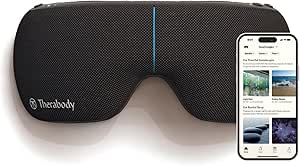
Therabody SmartGoggles 2nd Gen Heated Eye and Temple Massager

Hyperice Normatec 3 Full-Leg Compression Boots, Standard Size
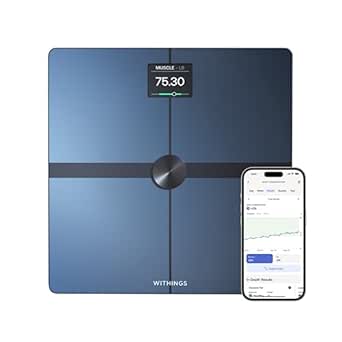
Withings Body Smart Wi-Fi and Bluetooth Body Composition Scale
As an affiliate, we earn on qualifying purchases.
Frequently Asked Questions
How Do Memory Presets Improve Workspace Organization?
Memory presets improve workspace organization by allowing you to quickly switch between personalized ergonomic settings, reducing setup time and maintaining comfort. They also enhance aesthetic appeal by keeping your desk tidy and clutter-free, as you don’t need to adjust manually each time. With presets, you can easily maintain ergonomic benefits, promoting better posture and productivity, while also enjoying a sleek, organized look that reflects a professional environment.
Are Memory Presets Compatible With All Desk Types?
Memory presets are compatible with many desk types, especially adjustable ones, enhancing ergonomic benefits by allowing quick height changes. They also boost aesthetic appeal by keeping your workspace tidy and personalized. However, not all desks support presets, so check your model’s features. When compatible, these presets streamline your setup, reducing strain and making your workspace more efficient and visually appealing, whether you share your desk or work solo.
Can Memory Presets Be Customized for Multiple Users?
Yes, memory presets can be customized for multiple users. You can set personalization options and user-specific settings on compatible desks, allowing each person to save their preferred height or position. When sharing a desk, these presets make it easy to switch between users quickly. This feature enhances comfort and efficiency, ensuring everyone can tailor their workspace effortlessly without manually adjusting settings each time.
Do Memory Presets Require Special Software or Hardware?
Think of memory presets like a Swiss Army knife—they don’t always need special software or hardware. Usually, they’re built into your device’s existing software compatibility, making setup simple. However, some advanced models might require specific hardware requirements or dedicated software to access all features. Check your device’s specs first; most basic presets are ready to go without extra tools, but for more customization, confirm your hardware and software are compatible.
How Secure Are Memory Presets for Sensitive Workspace Setups?
Memory presets are generally secure for sensitive workspace setups, especially when they incorporate data encryption. However, privacy concerns can arise if the presets store personal or confidential information without proper protection. To enhance security, guarantee your device uses strong encryption methods and restrict access to authorized users. Regularly updating software and avoiding shared accounts further safeguard your presets, giving you peace of mind when sharing your workspace.
Conclusion
So, while memory presets might seem like optional accessories in your workspace, they’re really the secret chords that turn a cluttered symphony into a smooth melody. Sharing your desk is like passing the baton in a relay—without those presets, you risk dropping the baton and losing momentum. Embrace them, and your workspace becomes a well-rehearsed orchestra, where every note hits just right, making your day flow seamlessly like a song on repeat.