To stop slouching in your chair, focus on keeping your back straight with shoulders relaxed, and avoid leaning forward. Adjust your workspace by setting your monitor at eye level and keeping your keyboard close to prevent reaching. Use ergonomic accessories like lumbar support and footrests, and set reminders every 30 minutes to check your posture. Making small, consistent adjustments helps improve comfort and health, and there’s more tips to help you stay aligned throughout the day.
Key Takeaways
- Keep your back straight and shoulders relaxed to maintain proper posture while sitting.
- Adjust your chair height so your feet are flat on the floor and hips are level with or slightly higher than knees.
- Position your monitor at eye level to prevent head tilting and reduce slouching.
- Use ergonomic accessories like lumbar support and keep frequently used items within easy reach.
- Set reminders every 30 minutes to check and correct your posture and incorporate stretching into your routine.

Slouching in your chair can lead to back pain, poor posture, and decreased productivity, but changing this habit is possible with some simple adjustments. The first step is focusing on posture correction by paying attention to how you sit throughout the day. Your goal should be to keep your back straight and shoulders relaxed, avoiding the tendency to lean forward or slump. To achieve this, you can use ergonomic setup principles to create a workspace that supports proper alignment. Adjust your chair height so your feet rest flat on the floor, with knees at a 90-degree angle. Your hips should be level with or slightly higher than your knees. This positioning helps maintain the natural curve of your lower back, reducing strain and encouraging good posture.
An ergonomic setup also involves positioning your monitor at eye level, so you don’t have to tilt your head up or down. Place your keyboard and mouse close enough to prevent reaching, which can cause you to lean forward or hunch your shoulders. When your workspace is organized to promote comfort and support, it becomes easier to sit upright naturally. Incorporate lumbar support if your chair doesn’t have built-in support; this helps maintain the curve in your lower back and discourages slouching. Remember to adjust your chair’s backrest to provide consistent support and avoid leaning too far back or forward.
Beyond physical adjustments, becoming aware of your habits is vital. Set reminders or cues to check your posture regularly. For example, every 30 minutes, pause and evaluate how you’re sitting—are your shoulders relaxed, is your back straight, and are your feet flat? Small, consistent corrections can markedly impact long-term habits. Incorporate stretching and movement into your day to loosen tight muscles and reduce fatigue, which often leads to slouching. Standing up, stretch your back, neck, and shoulders periodically to reset your posture. Using ergonomic accessories such as footrests or monitor stands can further support proper alignment and make maintaining good posture easier.
Remember, good posture correction isn’t a one-time fix; it’s a continuous process of making your workspace more supportive and becoming mindful of how you sit. With patience and consistent effort, slouching will become less natural, and you’ll enjoy improved comfort, reduced pain, and enhanced productivity.

Lumbar Support Pillow for Office Chair, Office Home Essentials,Gifts for Mom,Dad, Back Support Pillow for Car, Chair Cushions,Back Pain Relief Improve Posture,Mesh Cover Double Adjustable Straps
- Extended Adjustable Straps: Fits more chairs securely
- Ergonomic Back Support: Relieves back pain and improves posture
- High-Density Memory Foam: Maintains shape and provides firm support
As an affiliate, we earn on qualifying purchases.
Frequently Asked Questions
Can Slouching Cause Long-Term Health Issues?
Yes, slouching can cause long-term health issues like back and neck pain. By practicing posture awareness, you can reduce strain and prevent problems. Strengthening your core and back muscles helps support proper alignment, making it easier to maintain good posture throughout the day. Consistently paying attention to how you sit and incorporating muscle strengthening exercises can substantially improve your overall health and reduce future discomfort.
Are There Specific Exercises to Improve Posture?
Your posture transformation starts now! Incorporate core strengthening exercises like planks and bridges to stabilize your spine, and shoulder stretches such as cross-body stretches to release tension. These targeted moves aren’t just simple—they’re your secret weapon against slouching, making you feel more confident and energized. Dedicate a few minutes daily, and you’ll notice a remarkable difference in how straight and proud you stand.
How Often Should I Check My Posture During Work?
You should check your posture every 30 minutes during work. Use ergonomic accessories like adjustable chairs and monitor stands to support proper alignment, and set posture reminders on your phone or computer to prompt you to sit upright. Regularly reviewing your posture helps prevent slouching and reduces strain. Incorporate these habits into your routine to stay mindful and maintain good posture throughout your workday.
Does Using Ergonomic Furniture Prevent Slouching?
Did you know that 80% of Americans experience back pain, often caused by poor posture? Using an ergonomic chair can considerably help, but it doesn’t guarantee perfect posture. It aids in posture correction by supporting your spine’s natural curve and reducing strain. However, you still need to stay mindful, take breaks, and adjust your position regularly to truly prevent slouching and maintain good posture throughout your workday.
Can Slouching Affect Mental Health or Productivity?
Slouching can negatively impact your mental health and productivity. When you slouch, you may experience increased stress and decreased focus, leading to a mental health impact like anxiety or fatigue. It also hampers your productivity concerns by reducing energy levels and impairing concentration. To stay sharp and balanced, maintain good posture, take regular breaks, and practice mindful ergonomics. This helps support both your mental well-being and work efficiency.

jpinlr Truck Driver Seat Cushion, Memory Foam L-Shaped Ergonomic Cushion for Office Chairs, Comfort & Support for Long Sitting
- Ergonomic Design: Supports natural lower back and hips
- High-Density Memory Foam: Maintains shape and offers reliable support
- Breathable & Non-Slip: Ensures airflow and secure placement
As an affiliate, we earn on qualifying purchases.
Conclusion
Breaking the habit of slouching is like straightening a crooked tree—it takes effort but transforms your posture into a strong, steady trunk. Keep reminding yourself to sit tall and align your spine, turning your chair into a throne of confidence. With each mindful adjustment, you’re planting seeds of good habits that grow into a forest of better health. Stand tall, and let your posture be the sturdy branch that supports you every day.
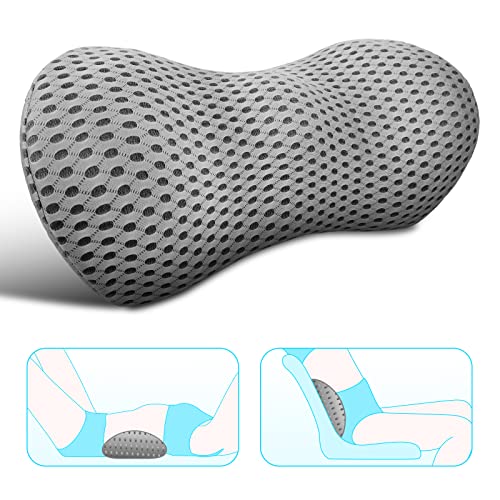
Panduo Lumbar Support Pillow for Office Chair, Memory Foam Lumbar Pillow for Lower Back Pain Relief (Grey)
- Pain Relief Physically: High-density memory foam for pain relief
- Breathable Cover: 4D air-cool mesh for comfort
- Wide Application: Suitable for car, office, bed
As an affiliate, we earn on qualifying purchases.

Lexeme X Large Memory Foam Seat Cushion Lumbar Support Pillow for Sciatica & Tailbone Pressure Relief Coccyx Pad for Office Chair, Car,Wheelchair,Home,Office
- Unique Large Design: Supports hips and back comfortably
- Ergonomic Curve Shape: Promotes proper posture and massage
- Extra Large Size: Provides ample sitting space
As an affiliate, we earn on qualifying purchases.