To improve your posture while sitting, try doing shoulder rolls to loosen tension and neck stretches by gently tilting your head to the sides. Incorporate seated spinal twists to realign your spine and perform pelvic tilts to engage your core. Remember to open your chest by pressing elbows back and take regular breaks to stretch. Keep practicing these simple exercises regularly, and you’ll discover additional ways to stay aligned and comfortable throughout your workday.
Key Takeaways
- Perform shoulder rolls by lifting shoulders, holding, then rolling back and down to loosen tension.
- Practice seated spinal twists, turning your torso and looking over your shoulder to improve flexibility.
- Engage core muscles with seated pelvic tilts, tilting pelvis forward and backward to support posture.
- Open your chest by clasping hands behind your head and pressing elbows back to counteract hunching.
- Incorporate regular mindful movement and stretch breaks every hour to maintain posture and prevent stiffness.

If you spend long hours sitting at a desk or computer, maintaining good posture can be challenging. Over time, poor posture leads to discomfort, fatigue, and even musculoskeletal issues. Fortunately, there are simple posture exercises you can do while sitting that help you stay aligned and reduce strain. Incorporating ergonomic chair tips into your workspace setup is a great start. *Guarantee* your chair supports your lower back, keeps your feet flat on the floor, and your monitor at eye level. Proper ergonomics make these exercises more effective and prevent habits like slouching or leaning forward.
Once your workspace is optimized, you can begin doing stretching routines right at your desk. These routines are designed to loosen tight muscles, improve circulation, and reinforce good posture habits. For example, shoulder rolls are quick and effective: lift your shoulders toward your ears, hold for a second, then roll them back and down. Repeat this several times to release tension in your neck and upper back. Similarly, neck stretches—gently tilting your head sideways to stretch the opposite side—can alleviate stiffness caused by craning forward to look at your screen.
Incorporate shoulder rolls and neck stretches to relieve tension and improve posture at your desk.
Another useful exercise involves clasping your hands behind your head and gently pressing your elbows back. This opens up your chest and counters the tendency to hunch forward. While seated, you can also perform seated spinal twists: sit upright, place one hand on the opposite knee, and gently twist your torso while looking over your shoulder. This movement helps realign your spine and relieves tension accumulated from prolonged sitting. Incorporating these stretching routines throughout your workday prevents muscles from tightening up and keeps your posture aligned.
To further reinforce good sitting habits, focus on core engagement exercises such as seated pelvic tilts. While sitting, tilt your pelvis slightly forward and backward, engaging your abdominal muscles. This strengthens your core, which is essential for supporting proper posture. Additionally, practicing mindful movement during your day can improve awareness of your posture and reduce the risk of developing chronic discomfort. Doing these exercises every hour or so encourages active sitting, preventing the stiffness and discomfort that often come with static positions.

Lumbar Support Pillow for Office Chair,Mothers Day Gifts for Mom, Back Support Pillow for Car, Office Supplies, Chair Cushions, Back Pain Relief Improve Posture, Mesh Cover Double Adjustable Straps
- Extended Adjustable Straps: Fits more chairs securely
- Ergonomic Back Support: Relieves back pain and improves posture
- High-Density Memory Foam: Maintains shape and provides firm support
As an affiliate, we earn on qualifying purchases.
Frequently Asked Questions
Can These Exercises Help Reduce Chronic Back Pain?
Yes, these exercises can help reduce chronic back pain by improving your posture and strengthening muscles. Regularly doing sit-down posture exercises offers ergonomic benefits, alleviating strain on your back. As you strengthen key muscles, you’ll notice better support for your spine and less discomfort over time. Consistent practice is key; it helps prevent pain and promotes healthier sitting habits, making your daily routine more comfortable and pain-free.
Are Sitting Posture Exercises Suitable for Pregnant Women?
Did you know that over 50% of pregnant women experience back pain? Sitting posture exercises can be pregnancy safe if you follow proper prenatal modifications. You should always consult your healthcare provider before starting any new routine, but gentle seated exercises can help improve comfort and posture during pregnancy. Just be mindful of your body’s signals, avoid strain, and focus on gentle movements tailored for pregnancy.
How Often Should I Perform These Exercises Daily?
You should perform sitting posture exercises daily, ideally 2 to 3 times a day. Incorporate these exercises into your daily routine to maintain good posture and prevent discomfort. Consistency is key, so set aside specific times, like morning, midday, and evening, to do them. Listen to your body and avoid overdoing it; if you feel any pain, reduce the exercise frequency or consult a healthcare professional.
Can Sitting Exercises Improve My Overall Posture?
Think of sitting exercises as the scaffolding that supports your posture. Yes, they can improve your overall posture by strengthening muscles and promoting better alignment. Incorporate ergonomic seating and simple stretch routines into your day to help maintain proper spinal health. Regularly doing these exercises boosts your comfort, prevents strain, and keeps your body aligned, making your sitting time more productive and pain-free.
Do These Exercises Have Any Risks or Contraindications?
These exercises are generally safe, but exercise safety and contraindication awareness are key. You might experience strain or discomfort if you have existing injuries or conditions, so stop if you feel pain and consult a healthcare professional. It’s important to modify exercises as needed and avoid movements that worsen your symptoms. Always listen to your body and prioritize safety to prevent injuries or adverse effects.

Samsonite Lumbar Support Pillow for Office Chair, Lower Back Support for Car, Back Pillow Desk Chair Cushion with Memory Foam, Improved Posture Backrest
- Contoured Memory Foam: Provides all-day lumbar support
- Adjustable Straps: Ensures secure fit on chair and car seats
- Ventilated Mesh Cover: Promotes airflow for cooler sitting
As an affiliate, we earn on qualifying purchases.
Conclusion
By incorporating these sitting posture exercises into your daily routine, you’re planting seeds of strength and resilience in your daily life. Think of your spine as a sturdy tree trunk—every stretch and adjustment helps it grow taller and stronger, reaching toward better health. Remember, small daily efforts are like gentle breezes that shape a mighty oak over time. Keep nurturing your posture; with patience, you’ll cultivate a foundation that supports you through life’s twists and turns.

JanSport Cool Backpack, with 15-inch Laptop Sleeve - Large Computer Bag Rucksack with 2 Compartments, Ergonomic Straps, Black
- Trusted Brand with Lifetime Guarantee: Includes lifetime repair or replacement
- Iconic Design with Leather Bottom: Signature leather base and ergonomic features
- Durable Materials and Construction: Made with tough fabric, zippers, and straps
As an affiliate, we earn on qualifying purchases.
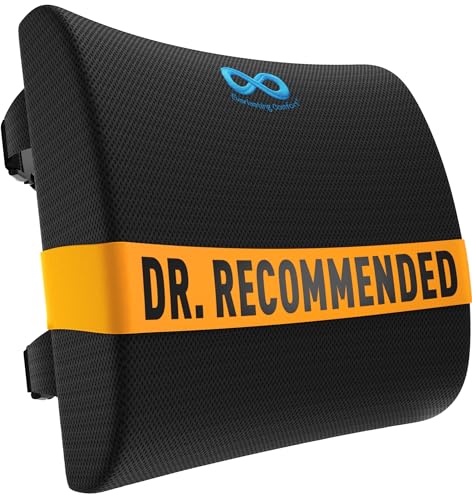
Everlasting Comfort The Original Lumbar Support Pillow for Office Chair - Improves Posture, Promotes Back Pain Relief - Superior Back Support for Gaming and Desk Chairs - Lumbar Pillow for Car, Couch
- High-Density Memory Foam: Provides firm, long-lasting support
- Supports Natural Spine Curve: Encourages better posture and reduces slouching
- Versatile Use: Suitable for office, car, couch, and gaming chairs
As an affiliate, we earn on qualifying purchases.