
For real work, a backrest angle around 100 degrees usually feels better because it balances support and relaxation. Sitting just slightly reclined reduces pressure on your lower back and shoulders, helping you stay comfortable longer. It encourages a natural spine curve, keeps you alert, and prevents strain. Small adjustments can make a big difference over time. Stay with us to discover how fine-tuning your seat can improve your daily comfort and productivity even more.

Get comfort and recovery gear delivered free with Prime
- Fast, free delivery on millions of items
- Prime Video, Amazon Music and more included
- Member-only deals all year
Key Takeaways
- An angle between 90 and 100 degrees balances support and relaxation for prolonged work sessions.
- Slight recline around 100 degrees promotes natural spinal curvature and reduces lower back strain.
- Proper lumbar support aligned with the back enhances comfort at the optimal angle.
- Small adjustments in backrest tilt can significantly improve long-term comfort and focus.
- Personal preference combined with ergonomic principles ensures the most comfortable and effective backrest angle.

Have you ever wondered how your chair’s backrest angle impacts your comfort and productivity? The right backrest angle isn’t just a matter of personal preference; it plays a vital role in how well you work and how comfortably you can sit for extended periods. When choosing a chair, paying attention to its ergonomic design can make a significant difference. An ergonomic design ensures your body is properly supported, reducing strain and fatigue. One key aspect of this design is the lumbar support, which aligns with the natural curve of your lower back. Proper lumbar support keeps your spine in a healthy position, preventing slouching and minimizing pain.
The ideal backrest angle for real work usually falls between 90 and 100 degrees. Sitting at a 90-degree angle might feel most familiar, but it often leads to a stiff, upright posture that can become uncomfortable over time. Slightly reclining the backrest to around 100 degrees allows your spine to maintain its natural curve more effectively. This slight tilt encourages a more relaxed posture, reducing pressure on your lower back and shoulders. It also helps you stay alert without feeling overly slouched or strained. When your backrest is positioned correctly, your lumbar support can do its job better—fitting snugly into the curve of your lower back, providing continuous support that prevents fatigue and discomfort. Additionally, proper chair positioning can significantly influence your overall comfort and posture. Being aware of ergonomic principles can further optimize your seating setup for long-term comfort. Incorporating adjustable features into your chair can help you find the most supportive and comfortable position for extended work sessions. Moreover, small adjustments to your chair’s setup can lead to noticeable improvements in comfort over time.
A well-designed backrest angle also encourages healthy spinal alignment, which is essential for preventing long-term discomfort and musculoskeletal issues. Adjusting your backrest to this ideal angle isn’t just about comfort; it’s about productivity too. When you sit in a posture that promotes proper spinal alignment, you’re less likely to experience aches or distractions during work. This means you can focus more effectively on your tasks without constantly shifting or adjusting yourself. It’s also easier to engage in tasks that require precision or extended concentration when your body isn’t fighting against discomfort. Many ergonomic chairs offer adjustable backrest angles precisely for this reason, so you can fine-tune your seating position for maximum comfort and support.
Ultimately, the backrest angle that feels better for real work combines ergonomic design with your personal comfort preferences. Slightly reclined, around 100 degrees, tends to strike a balance between support and relaxation, especially when paired with proper lumbar support. Remember, small adjustments can make a big difference over hours of sitting. Prioritize a position that promotes good posture, reduces strain, and helps you stay productive throughout your workday.
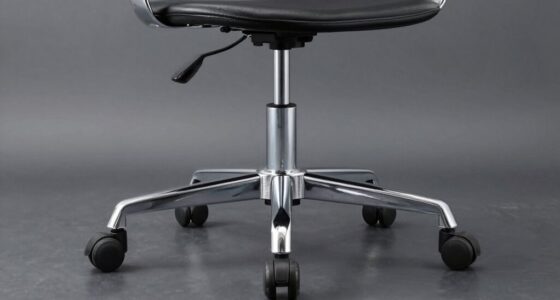
ergonomic office chair with adjustable backrest
As an affiliate, we earn on qualifying purchases.
As an affiliate, we earn on qualifying purchases.
Frequently Asked Questions
How Do I Measure My Optimal Backrest Angle?
To measure your ideal backrest angle, sit comfortably with lumbar support in place and maintain ergonomic alignment. Adjust your chair’s backrest until your lower back feels supported without strain, typically around 100-110 degrees. Use a protractor or an adjustable chair with angle markings to precisely set this. Make sure your hips are slightly higher than your knees, and guarantee your lumbar area is well-supported for sustained comfort.
Does Backrest Angle Affect Neck Posture?
Yes, your backrest angle affects neck posture by influencing ergonomic support and overall posture alignment. When the angle is too reclined, you might strain your neck trying to see your screen, but a proper angle offers better support, reducing neck tension. Adjust your chair so the backrest supports your lower back, encouraging a neutral neck position. This way, you promote healthy posture and minimize discomfort during long work sessions.
Can the Ideal Backrest Angle Vary for Different Tasks?
The ideal backrest angle can vary depending on the task at hand. For posture improvement, ergonomic design suggests a slightly reclined position for tasks like reading or brainstorming, while a more upright angle helps for typing or detailed work. Adjusting your backrest guarantees comfort and supports your body’s needs, making sure you stay productive and pain-free. Tailoring your setup is the key to working smarter, not harder.
How Often Should I Adjust My Backrest Angle?
You should adjust your backrest angle regularly, ideally every 30 minutes, to follow ergonomic principles and promote posture correction. Small adjustments help prevent stiffness and discomfort, ensuring your back stays supported. Pay attention to how your body feels; if you notice strain or slouching, it’s time to tweak the angle. Consistent movement and adjustments keep your posture healthy and reduce the risk of musculoskeletal issues.
Is There a Recommended Backrest Angle for Standing Desks?
For standing desks, a recommended backrest angle is around 100 to 110 degrees. By blending ergonomic principles with posture correction, you support your spine and prevent strain. Keep your backrest slightly reclined to promote comfort and reduce fatigue, while maintaining an active, aligned posture. Adjust the angle as needed to find a balance between support and mobility, ensuring you’re comfortable and ergonomically sound for prolonged standing sessions.
As an affiliate, we earn on qualifying purchases.
Conclusion
Choosing the right backrest angle is like tuning a musical instrument—you’ll find the perfect pitch when everything aligns. When you adjust your chair to a comfortable angle, your workday becomes smoother and more productive. Don’t let poor posture be the silent thief of your focus; instead, let this simple tweak be the steady anchor that keeps you grounded. Remember, a well-balanced backrest isn’t just furniture—it’s the foundation of your best work.
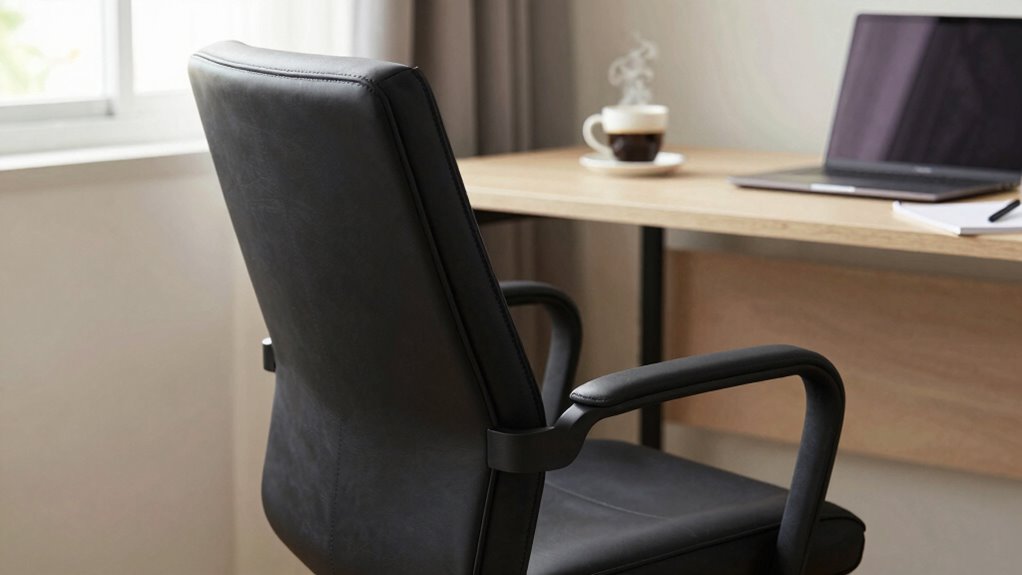
ergonomic chair for long hours of work
As an affiliate, we earn on qualifying purchases.
As an affiliate, we earn on qualifying purchases.
As an affiliate, we earn on qualifying purchases.
Halloween Picks
halloween
As an affiliate, we earn on qualifying purchases.