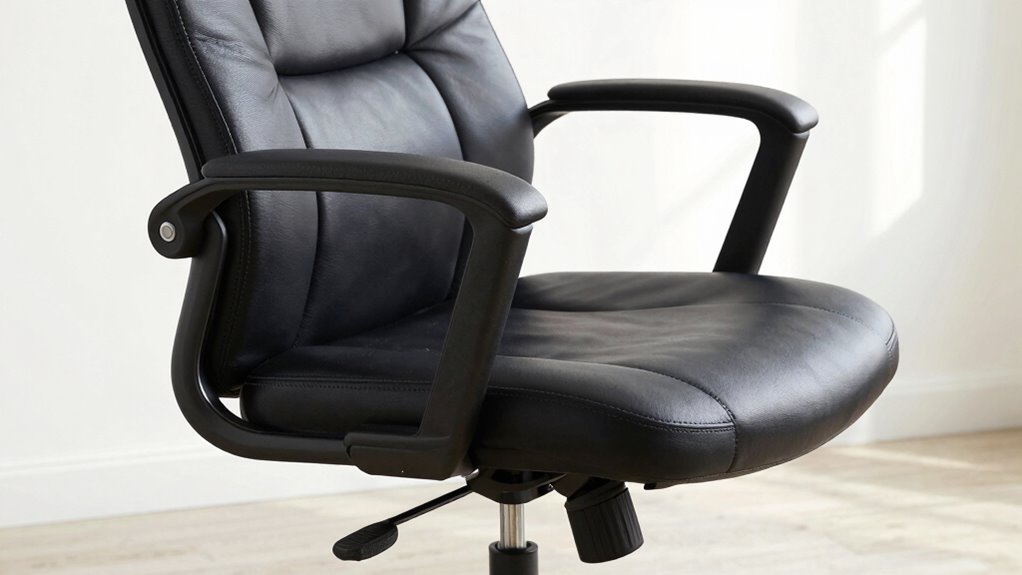

Synchronous tilt feels better because it moves your seat and backrest together in a coordinated way, helping you stay properly aligned. This smooth, natural motion reduces strain and promotes better posture, making sitting more comfortable for hours. It also responds seamlessly to your movements, giving you stability and control without awkward adjustments. You’ll experience less fatigue and better support over time. Keep exploring to discover more about how this design can improve your sitting experience.

Get comfort and recovery gear delivered free with Prime
- Fast, free delivery on millions of items
- Prime Video, Amazon Music and more included
- Member-only deals all year
Key Takeaways
- Synchronous tilt maintains consistent angles, promoting better spinal alignment and reducing strain compared to independent recline adjustments.
- It offers smoother, more natural movements, enhancing overall comfort and reducing awkward or misaligned positions.
- The unified motion supports proper posture, decreasing fatigue and musculoskeletal discomfort during extended sitting.
- Synchronous tilt provides intuitive control with fewer adjustments, leading to a more seamless and ergonomic sitting experience.
- It encourages active movement and better blood flow, contributing to long-term comfort and health benefits.
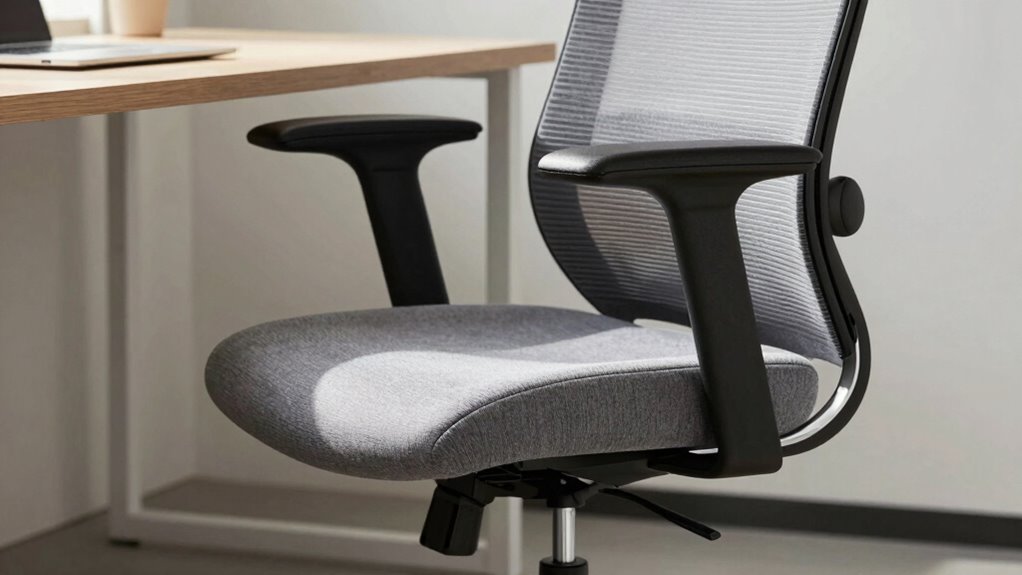
When it comes to choosing a comfortable chair, the difference between synchronous tilt and basic recline can considerably impact your comfort and posture. Synchronous tilt mechanisms are designed to move your seat and backrest together, maintaining a consistent angle as you adjust. This coordinated movement offers notable ergonomic benefits, ensuring your spine stays aligned and reducing strain during extended periods of sitting. In contrast, a basic recline often involves independent adjustments for the seat and backrest, which can lead to awkward positions and discomfort over time. By understanding how synchronous tilt enhances user comfort, you’ll see why it’s a better choice for long-term support.
With synchronous tilt, you’re engaging a dynamic system that adapts naturally to your movements. As you lean back, the seat and backrest tilt in harmony, keeping your hips and spine in proper alignment. This synchronized action encourages better posture, preventing slouching and minimizing pressure points that can cause fatigue. The ergonomic benefits of this system extend beyond posture; it promotes better blood flow and reduces muscle tension, making your sitting experience more comfortable and less tiring. You’ll find that you can sit for longer periods without needing to shift around constantly. Synchronous tilt also provides a sense of stability, so when you lean back or forward, the chair responds smoothly and consistently, giving you a feeling of control and support. Additionally, ergonomic features like this are designed to support your body’s natural movements, further enhancing comfort and reducing strain. Incorporating ergonomic principles into chair design ensures sustained comfort and health benefits over time.
User comfort is significantly enhanced with synchronous tilt because the mechanism actively supports your natural movements. Instead of fighting against the chair’s independent parts, you’re encouraged to move more freely and comfortably. This fluid motion reduces the risk of developing discomfort or pain from misaligned positions. Plus, the ease of adjustment means you don’t have to fumble with multiple levers or awkward settings — a simple tilt adjusts the entire back and seat simultaneously. This seamless transition not only feels more natural but also minimizes interruptions to your workflow or relaxation. A fluid motion helps maintain proper alignment and enhances overall ergonomic benefits, making every sitting session more pleasant. Over time, these ergonomic advantages add up, making your daily sitting experience more enjoyable and less physically taxing.
In essence, synchronous tilt provides a more intuitive, ergonomic way to sit comfortably for hours. It supports your body’s natural movements, helps maintain proper posture, and offers superior user comfort compared to basic recline systems. When you prioritize ergonomic benefits, investing in a chair with synchronous tilt means less fatigue, fewer aches, and a more comfortable sitting experience overall. Whether working at your desk or relaxing, this mechanism ensures your body remains supported, helping you stay focused and comfortable throughout your day. Additionally, the ergonomic design of synchronous tilt chairs aligns with principles of proper posture, reducing the risk of musculoskeletal issues over time.
ergonomic office chair with synchronous tilt
As an affiliate, we earn on qualifying purchases.
As an affiliate, we earn on qualifying purchases.
Frequently Asked Questions
How Does Synchronous Tilt Impact Long-Term Spinal Health?
Synchronous tilt supports your long-term spinal health by maintaining proper spinal alignment and enhancing posture stability. As you adjust the tilt, both your seat and back move together, reducing strain and preventing slouching. This coordinated movement helps keep your spine in a healthy position over time, minimizing discomfort and potential issues. You’ll notice better comfort, especially during long hours, because your posture stays supported and aligned consistently.
Can Synchronous Tilt Improve Productivity During Work?
You might worry that adjusting your chair won’t boost productivity, but synchronous tilt actually enhances ergonomic comfort and posture alignment, keeping you more focused. When your chair moves seamlessly with your body, you stay comfortable longer, reducing fatigue and distractions. This natural movement encourages better posture, helping you work more efficiently. Ultimately, investing in ergonomic support like synchronous tilt can transform your workday into a more productive, pain-free experience.
Is Synchronous Tilt Suitable for All Body Types?
Synchronous tilt is generally suitable for most body types because it offers adjustable features that promote comfort and ergonomic design. You can customize the tilt to fit your posture, ensuring proper support whether you’re tall, short, or of average build. However, it’s crucial to check if the chair’s adjustments accommodate your specific needs. Overall, this feature enhances comfort and supports better posture for a wide range of users.
How Does Synchronous Tilt Compare in Cost to Basic Recline?
Synchronous tilt generally costs more than basic recline because of its advanced feature differences. The cost comparison shows that synchronous tilts include mechanisms that allow both seat and back to move together smoothly, which adds to manufacturing expenses. You’ll find that this feature offers a more ergonomic experience, but it typically comes at a higher price point compared to simple recline functions, making it a worthwhile investment for better comfort and support.
Are There Any Safety Concerns With Synchronous Tilt Chairs?
Synchronous tilt chairs are generally safe if they meet ergonomic comfort and safety standards. However, you should guarantee the chair’s mechanisms are well-maintained and sturdy to prevent any risk of pinching or sudden movements. Always follow the manufacturer’s guidelines for safe use. When properly designed and maintained, synchronous tilt chairs offer excellent ergonomic support without compromising safety, making them a reliable choice for long-term comfort and health.
As an affiliate, we earn on qualifying purchases.
Conclusion
Think of synchronous tilt like a perfectly choreographed dance, where your chair moves in harmony with your body’s needs. Unlike basic recline, which feels like a solo performance, synchronous tilt offers a fluid, responsive experience that supports your comfort and posture. When you sit in a chair with synchronous tilt, you’re not just leaning back—you’re gliding through a seamless rhythm that makes every shift feel natural and effortless. It’s the dance your body deserves.
best ergonomic chair for long hours
As an affiliate, we earn on qualifying purchases.
As an affiliate, we earn on qualifying purchases.
As an affiliate, we earn on qualifying purchases.
Fall Picks
fall essentials
As an affiliate, we earn on qualifying purchases.