Natural lighting can boost your mood, focus, and align with your body’s circadian rhythms by providing dynamic, variable colors throughout the day. It’s ideal when available and properly utilized, but weather and window access can limit its consistency. Artificial lighting offers control over brightness and color temperature, helping you stay productive regardless of outside conditions. Discover how blending both sources can create the perfect workspace environment by exploring more details ahead.
Key Takeaways
- Natural light enhances mood and alertness through dynamic changes in color temperature, especially in the morning.
- Artificial lighting offers customizable color temperature and consistent illumination, supporting specific task needs.
- Combining both sources optimizes energy efficiency, reduces environmental impact, and ensures reliable lighting regardless of weather.
- Natural light can be inconsistent due to weather, while artificial lighting provides stable, controllable illumination.
- An ideal workspace balances natural and artificial lighting to improve focus, comfort, and overall well-being.

Lighting plays a crucial role in shaping the ambiance and functionality of any space, and choosing between natural and artificial light can considerably impact your environment. When considering which type of lighting is better for work, it’s important to understand how factors like color temperature and energy efficiency influence your productivity and comfort. Natural light, with its variable color temperature throughout the day, offers a dynamic environment that can boost mood and focus. Morning sunlight tends to have a cooler, bluish hue, which helps wake you up and sharpens your concentration. As the day progresses, the light warms, with a softer, yellowish tint, creating a cozy atmosphere that can reduce eye strain and fatigue. This variability not only enhances your well-being but also aligns with your body’s natural circadian rhythms, promoting better sleep and overall health. Additionally, incorporating noise levels considerations can help create a more conducive work environment, especially in spaces with artificial lighting.
Artificial lighting, on the other hand, provides a controlled environment that can be tailored to your specific needs. Modern LED lights allow you to adjust color temperature, from cool whites ideal for tasks requiring alertness to warmer tones that create a relaxed setting. This flexibility ensures you get consistent lighting regardless of weather or time of day, which is especially valuable during long work hours or in spaces with limited access to natural sunlight. When it comes to energy efficiency, artificial lighting has made significant advances. LED bulbs consume less power, last longer, and produce less heat, making them a cost-effective choice over traditional incandescent lights. Their energy-efficient design reduces your electricity bills and minimizes environmental impact, making artificial lighting a sustainable option for workspaces.
However, each lighting type has its limitations. Natural light, while excellent for health and mood, can be inconsistent—cloudy days or limited window access can lead to poor lighting conditions. Artificial lighting, although adjustable and consistent, can sometimes cause glare or flickering if not properly installed, which may lead to eye strain or headaches. To optimize your work environment, the best approach combines both lighting sources. Use natural light whenever possible, positioning your workspace near windows or skylights, and supplement with energy-efficient artificial lighting to fill gaps or improve illumination during darker hours. By balancing these options and paying attention to color temperature, you ensure a well-lit, comfortable, and productive setting that supports your daily work needs.
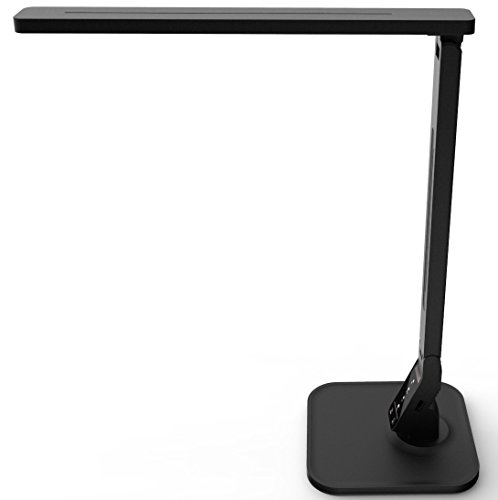
Lampat Dimmable LED Desk Lamp, 4 Lighting Modes (Reading/Studying/Relaxation/Bedtime), 5-Level Dimmer, Touch-Sensitive Control Panel, 1-Hour Auto Timer, 5V/1A USB Charging Port, Piano Black
- Lighting Modes: Reading, Studying, Relaxation, Bedtime
- Dimmer Levels: Five adjustable brightness levels
- Touch Control: Easy touch-sensitive operation
As an affiliate, we earn on qualifying purchases.
As an affiliate, we earn on qualifying purchases.
Frequently Asked Questions
How Does Lighting Affect Productivity and Focus?
Lighting greatly impacts your productivity and focus by influencing your mood and alertness. When you choose lighting with the right color temperature, it keeps you energized and alert, while glare reduction minimizes eye strain and distractions. Proper lighting helps you stay concentrated on tasks, reduces fatigue, and improves overall efficiency. So, selecting lighting that balances brightness and warmth can make a big difference in maintaining your focus and productivity throughout the day.
Are There Health Risks Associated With Artificial Lighting?
You should know that artificial lighting can pose health risks, especially from LED hazards like blue light exposure. Prolonged exposure to blue light may cause eye strain, disrupt sleep patterns, and contribute to digital eye strain. To protect yourself, limit screen time when possible, use blue light filters, and take regular breaks. Being aware of these risks helps you maintain better eye health and overall well-being.
Can Natural Light Improve Mental Well-Being at Work?
You’ll find that daylight benefits your mental well-being at work by boosting your mood and energy levels. Natural light helps regulate your circadian rhythms, leading to better sleep and alertness. Exposure to daylight enhances mood, reduces stress, and increases overall happiness. So, when you get more natural light during work hours, you’re likely to feel more motivated, focused, and positive throughout the day.
What Are Energy Efficiency Considerations for Lighting Choices?
When choosing lighting, consider energy efficiency to save costs and reduce environmental impact. LED technology stands out because it uses less energy and has a longer lifespan than traditional bulbs. You can maximize energy conservation by installing motion sensors or dimmers, ensuring lights are on only when needed. Prioritizing LED lighting helps you stay eco-friendly while maintaining effective illumination for your workspace.
How Does Lighting Influence Sleep Patterns and Circadian Rhythms?
Think of light as a conductor guiding your body’s orchestra. When you’re exposed to bright, especially blue light, it suppresses melatonin, disrupting your sleep. Poor circadian alignment leads to trouble falling asleep and waking refreshed. To protect your sleep, limit artificial light in the evening and seek natural light during the day. This balance helps keep your circadian rhythms steady, ensuring restorative sleep and overall well-being.

Feit Electric LED 5-Color Choice – 60W Equivalent – 800 Lumen, 2700K Soft Whit, 3000K Bright White, 4000K Cool White, 5000K Daylight and 6500K Cool Daylight, A19, ART 1715914
- Power Source: AC power
- Package Quantity: 6 bulbs
As an affiliate, we earn on qualifying purchases.
As an affiliate, we earn on qualifying purchases.
Conclusion
Ultimately, choosing between natural and artificial lighting depends on your needs and environment. While natural light energizes and boosts your mood, artificial lighting offers consistency and control. Sometimes, it’s a balancing act—you don’t want to miss the forest for the trees. By understanding their strengths, you can create a workspace that’s bright and inviting. Remember, lighting is the backbone of productivity, so don’t overlook its power to brighten your day—literally and figuratively.

Caromolly Light Therapy Lamp, Happy Lamp 10,000 LUX UV Free with 3 Color Temperature & 5 Brightness Level, Full Spectrum Light Wood Base Round Flaxen Fabric Shade for Home, Office, 4" × 8.4”
- Bright Light Output: 10,000 lux UV-free light therapy
- Adjustable Color Temperature: Three modes: 2700K-6000K
- Touch Dimming Control: Smooth brightness adjustment from 10% to 100%
As an affiliate, we earn on qualifying purchases.
As an affiliate, we earn on qualifying purchases.

Pzloz Led Desk Lamp for Office Home – Eye Caring Architect lamp with Clamp,Dual Screen Computer Monitor Work Smart Light: 24W 5 Color Flexible Adjustable Lighting Table Lamp for Study Drafting
- Multiple Lighting Modes: 25 modes with 5 color temps and brightness levels
- Fully Adjustable Design: 360° stand, 180° swing, 270° lamp head
- Wireless Remote Control: Easy mode and brightness adjustments
As an affiliate, we earn on qualifying purchases.
As an affiliate, we earn on qualifying purchases.