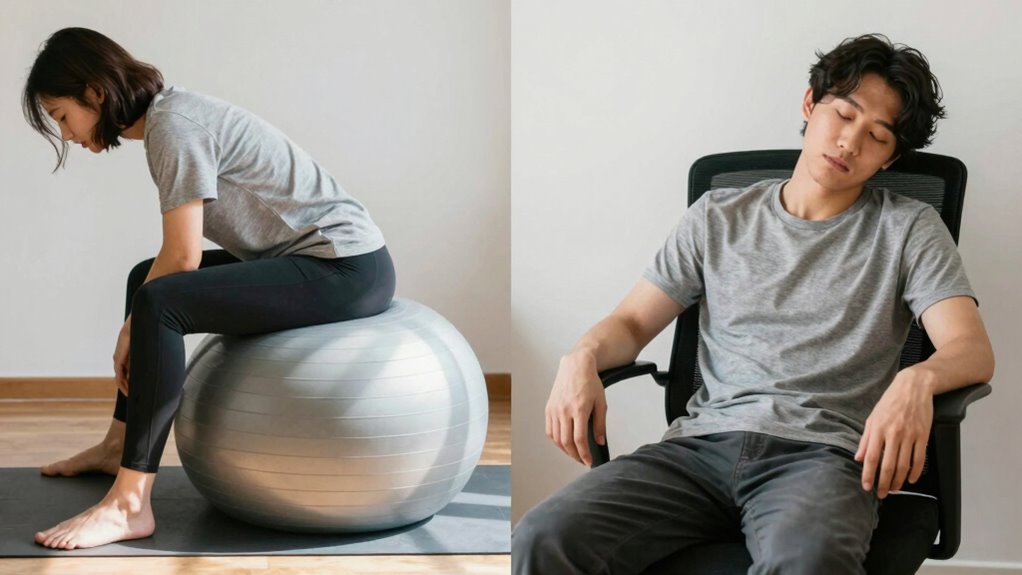
Active sitting helps you stay fresher longer by encouraging continuous movement and better posture. It engages your muscles, boosts blood flow, and reduces stiffness and fatigue. Unlike traditional sitting, active options prevent discomfort and keep you alert throughout the day. You stay more focused and energized, supporting your overall well-being. Want to learn how choosing active sitting can make a real difference? Keep exploring — there’s more to discover.
Key Takeaways
- Active sitting promotes continuous movement, enhancing blood flow and reducing fatigue compared to static traditional sitting.
- It encourages better posture and core engagement, decreasing discomfort and maintaining alertness longer.
- Dynamic sitting reduces muscle stiffness and discomfort, helping you stay energized throughout the day.
- Active sitting minimizes musculoskeletal strain, supporting long-term health and reducing fatigue-related issues.
- Variations in movement and posture in active sitting help sustain focus and prevent tiredness more effectively.
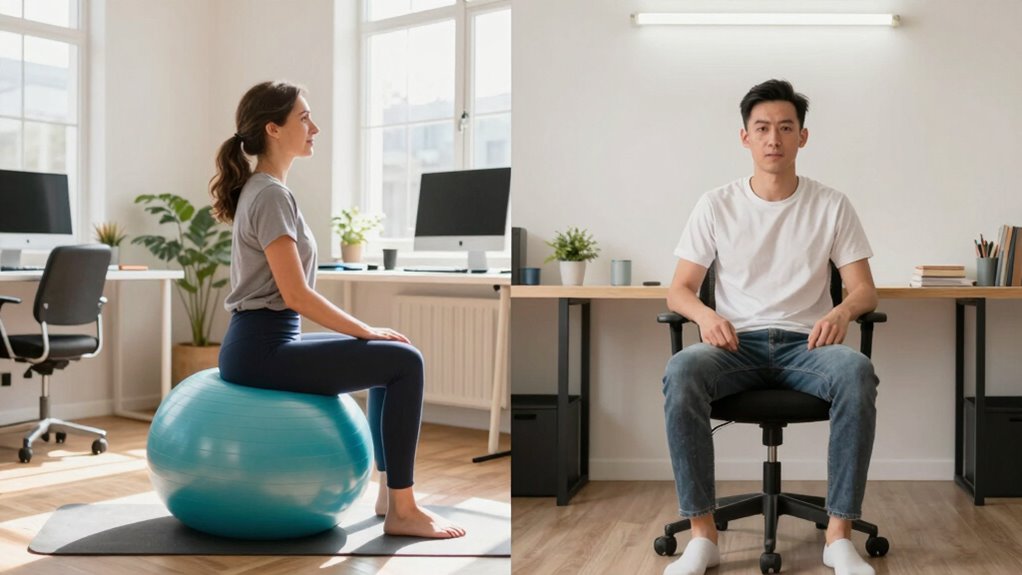
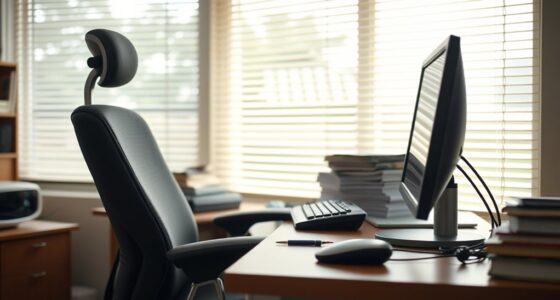
While traditional sitting has been the norm for desks and chairs, active sitting encourages you to move more throughout the day, promoting better posture and reducing discomfort. Unlike conventional chairs that keep you static, active sitting tools—such as balance balls, wobble stools, or sit-stand desks—engage your muscles and joints constantly. This movement is vital for reaping ergonomic benefits, which include less strain on your back, neck, and shoulders. When you sit actively, you’re more likely to maintain a natural spine alignment, which leads to posture improvement over time. This means fewer aches and pains, and a more comfortable workday overall.
Active sitting promotes better posture, reduces discomfort, and engages muscles for a healthier, more comfortable workday.
Active sitting pushes you to avoid the slump and stiffness that often accompanies prolonged periods of traditional sitting. As your muscles work to stabilize your body, you naturally adopt a more upright, aligned posture. This continuous micro-movement stimulates blood flow and prevents the sluggishness that comes from sitting still for too long. Over time, this helps reduce the risk of developing musculoskeletal issues, which are common with traditional seating. You might notice that with active sitting, your core muscles strengthen, supporting your lower back and improving overall posture. These ergonomic benefits aren’t just about comfort—they can enhance your focus and productivity, as discomfort and fatigue are major distractions. Proper movement patterns play a crucial role in maintaining long-term musculoskeletal health.
Switching to active sitting doesn’t mean sacrificing stability for movement. Many ergonomic designs are crafted to give you just enough support while still encouraging subtle shifts and adjustments. You’re less likely to feel confined or cramped, which often happens with traditional chairs. Instead, you gain a dynamic sitting experience that keeps your body engaged. This constant engagement helps you stay alert and energized, reducing the fatigue that typically sets in after hours of static sitting. Better posture and increased movement contribute to a fresher, more vibrant feeling throughout your workday. Incorporating ergonomic design principles can further optimize your sitting setup for health benefits. Recognizing the importance of body mechanics can help you make better choices about your sitting habits.
Ultimately, active sitting can transform your daily routine into a healthier, more sustainable one. While traditional sitting might seem easier initially, it often leads to discomfort and postural problems over time. Active sitting invites you to take control of your posture and comfort, fostering ergonomic benefits that keep you feeling fresher longer. Incorporating dynamic movement into your sitting habits supports your body’s natural needs and improves your overall well-being. As research continues to evolve, understanding the significance of movement in ergonomics can help you make informed decisions. This approach isn’t just a trend—it’s a practical way to stay energized and comfortable, no matter how long your workday lasts.
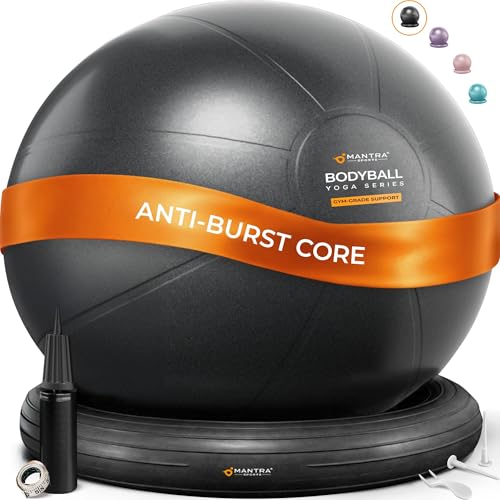
MANTRA SPORTS Yoga Ball Chair – Stability Ball and Exercise with Base for Office Desk Sitting, Active Chair for Posture & Core Support, Seat for Home Gym, Abs, Stretching, Therapy, Fast Pump Included
STABLE BASE STOPS ROLLING (SAFER AT YOUR DESK) The included base keeps the stability ball anchored so it…
As an affiliate, we earn on qualifying purchases.
As an affiliate, we earn on qualifying purchases.
Frequently Asked Questions
Can Active Sitting Improve Long-Term Posture?
Yes, active sitting can improve your long-term posture. It promotes posture correction by encouraging constant muscle engagement, which helps strengthen your core and back muscles. Unlike traditional sitting, active sitting reduces slouching and spinal strain, fostering better alignment over time. Regular use trains your muscles to maintain proper posture naturally, leading to lasting improvements and less discomfort in daily activities.
Are There Any Risks Associated With Active Sitting?
There are some risks with active sitting, especially if you don’t use proper ergonomic benefits or over-engage muscles. You might strain your back or legs if you sit on unstable or poorly designed equipment. To avoid this, make sure your active sitting setup provides good support and encourages healthy muscle engagement. Always listen to your body, and balance active sitting with regular movement to minimize risks and maximize benefits.
How Does Active Sitting Affect Concentration and Productivity?
Active sitting boosts your concentration and productivity by promoting better ergonomic benefits, which reduce discomfort and fatigue. When you engage in active sitting, you stay more mentally focused because movement keeps your blood flowing and your mind alert. This continuous engagement helps you work more efficiently, minimizes distractions from discomfort, and encourages sustained mental focus, ultimately leading to higher productivity throughout your workday.
Is Active Sitting Suitable for All Age Groups?
Active sitting is generally suitable for most age groups due to its age adaptability and ergonomic suitability. Younger individuals benefit from improved movement and focus, while older adults find it easier to maintain good posture and reduce discomfort. However, it is crucial to choose the right ergonomic equipment and consult a healthcare professional if you have specific health issues. Overall, active sitting promotes better comfort and health across different ages.
What Are the Cost Differences Between Active and Traditional Chairs?
You’ll notice that active chairs often cost more upfront due to their ergonomic design and specialized features, while traditional chairs tend to be cheaper because of simpler manufacturing costs. The increased manufacturing costs for active chairs reflect their adjustable components and durability, but they might save you money long-term by promoting better posture and reducing health issues. So, your choice depends on your budget and long-term health priorities.
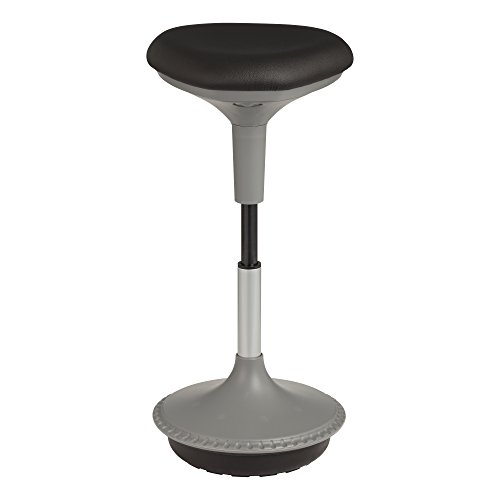
Learniture Adjustable Height Active Learning Stool for Office Desks and Classrooms, Foam-Padded Backless Wobble Stool with Rocking Motion, Black
ACTIVE LEARNING STOOL: Designed to turn active bodies into active minds, making it a innovative and fun seating…
As an affiliate, we earn on qualifying purchases.
As an affiliate, we earn on qualifying purchases.
Conclusion
In the end, active sitting proves to be a smarter choice, keeping you fresher longer and boosting your overall well-being. It’s clear that sitting actively isn’t just a passing trend but a way to stay energized and alert throughout the day. Don’t wait for a wake-up call—embrace active sitting now and stay ahead of the game. Remember, it’s better to be safe than sorry, especially when it comes to your health!

VIVO 32 inch Desk Converter, K Series, Height Adjustable Sit to Stand Riser, Dual Monitor and Laptop Workstation with Wide Keyboard Tray, Black, DESK-V000K
Create Instant Active Standing – VIVO’s desk riser provides on-demand standing throughout the day for the freedom to…
As an affiliate, we earn on qualifying purchases.
As an affiliate, we earn on qualifying purchases.

AtHope Ergonomic Cross Legged Office Chair with Wheels – Adjustable Height for Meditation, ADHD Desk & Yoga – Wide Criss Cross Design with Lumbar Support, Kneeling Chair – Black
Versatile Seating Positions for Home, Office, and Gaming: Our cross legged chair is perfect for those who prefer…
As an affiliate, we earn on qualifying purchases.
As an affiliate, we earn on qualifying purchases.