
To create an ergonomic setup for petite people, choose adjustable furniture like chairs with lower seats and lumbar support to fit your frame comfortably. Adjust your desk height so your elbows form a 90-degree angle, and position your monitor at eye level. Use footrests if needed to keep your feet flat on the floor and maintain relaxed shoulders and proper wrist alignment. Keep these tips in mind, and you’ll find more ways to optimize your workspace for comfort.

Get comfort and recovery gear delivered free with Prime
- Fast, free delivery on millions of items
- Prime Video, Amazon Music and more included
- Member-only deals all year
Key Takeaways
- Choose adjustable furniture, like chairs with customizable seat height and lumbar support, to fit petite body proportions comfortably.
- Ensure desks are set to allow 90-degree elbows and use footrests or adjustable trays to modify workspace height.
- Position monitors at or slightly below eye level using adjustable stands to prevent neck strain.
- Maintain feet flat on the ground, shoulders relaxed, and wrists aligned with forearms for optimal posture.
- Personalize your ergonomic setup based on body measurements and combine it with mindful posture habits for lasting comfort.
Have you ever struggled to find an ergonomic workspace that fits your smaller stature? It’s a common challenge for petite people trying to create a comfortable, supportive environment. When your furniture isn’t designed for your height, it can lead to poor posture correction and discomfort. But don’t worry—by focusing on smart furniture selection and proper posture habits, you can craft a workspace that works with your frame instead of against it.
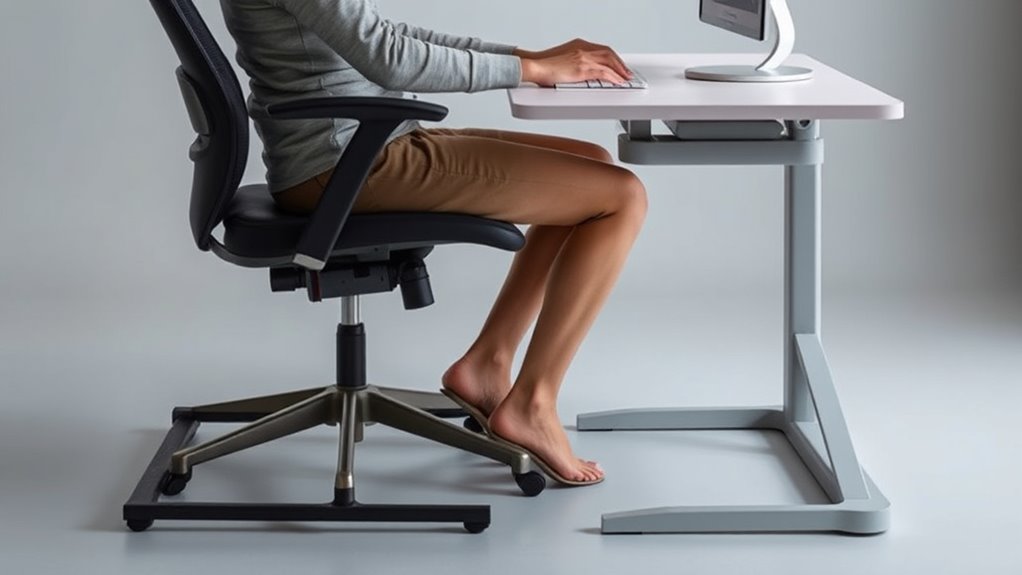
The first step is understanding how your size impacts your ergonomic needs. Standard desks, chairs, and accessories often aren’t suitable for shorter individuals, forcing you to compromise your comfort and potentially strain your neck, shoulders, or back. To address this, prioritize furniture selection that’s adjustable or specifically designed for petite users. Look for chairs with adjustable seat height, lumbar support, and tilting features so you can tailor the fit to your body. An ergonomic chair with a lower seat height ensures your feet rest flat on the floor, reducing pressure on your thighs and promoting proper posture correction. When shopping, don’t hesitate to test chairs before buying—your body will thank you for the extra effort.
Choose adjustable, petite-friendly furniture for better comfort and posture support.
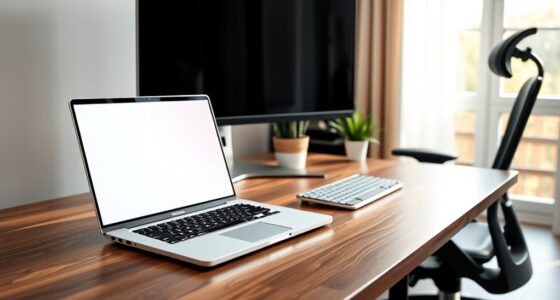
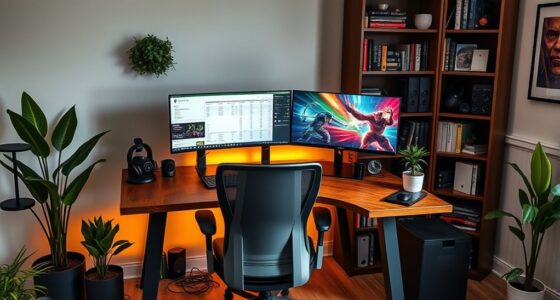
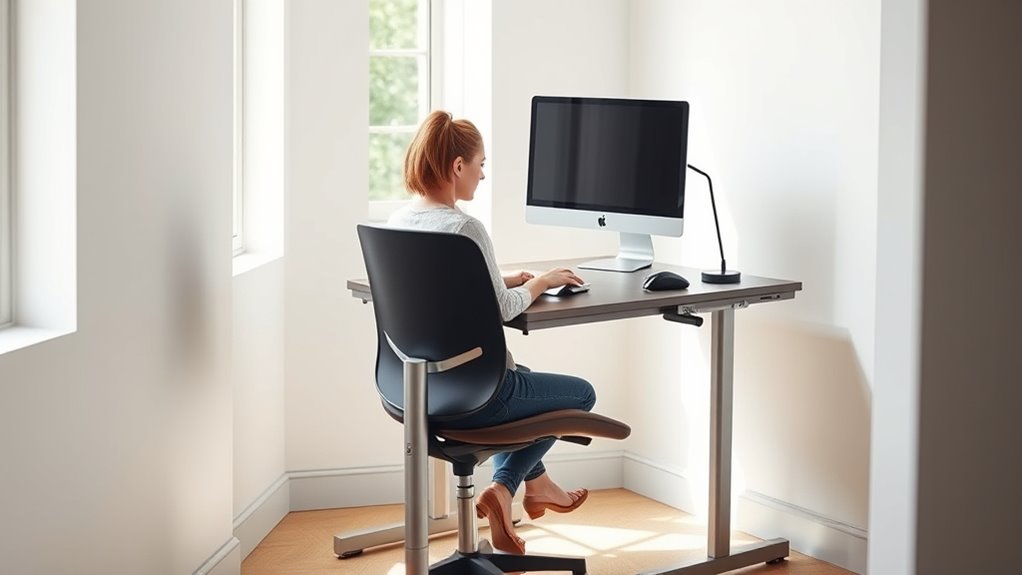
In addition to choosing the right furniture, pay attention to how you set it up. Your desk height should allow your elbows to rest at a 90-degree angle when typing, with your forearms parallel to the floor. If your desk is too high, consider using a footrest or adjustable keyboard tray to bring your work surface to a comfortable level. When selecting a monitor, the top of the screen should be at or slightly below eye level, encouraging you to maintain a neutral neck position. If your monitor is too high or low, an adjustable stand can make a significant difference in reducing neck strain.
Posture correction is a continuous process, but the right furniture makes it easier to maintain good habits. Keep your feet flat on the ground, shoulders relaxed, and wrists aligned with your forearms. Regularly check in with your body to ensure you’re not leaning forward or slouching. Small adjustments over time can prevent discomfort and promote better spinal health.
Ultimately, your setup should be personalized to your body’s measurements. Prioritize furniture selection that accommodates your stature and supports proper alignment. Combining this with mindful posture correction means you’ll work more comfortably and reduce the risk of strain. Remember, ergonomic comfort isn’t just about big furniture—it’s about choosing the right pieces and making them work for your unique body.
adjustable ergonomic office chair for petite
As an affiliate, we earn on qualifying purchases.
As an affiliate, we earn on qualifying purchases.
Frequently Asked Questions
What Are the Best Desk Heights for Petite Individuals?
For petite individuals, the best desk height is typically between 28 and 30 inches, but you should prioritize desk height customization for ideal comfort. Use ergonomic desk accessories like adjustable keyboard trays and monitor stands to fine-tune your setup. This way, you can maintain proper posture, reduce strain, and stay comfortable throughout your workday. Always adjust your desk and accessories to fit your unique height and ergonomic needs.
How Can I Adjust My Ergonomic Chair Effectively?
You can adjust your ergonomic chair by first setting the lumbar support to fit your lower back comfortably, promoting good posture. Make certain your seat height allows your feet to rest flat on the floor or a desk mat option for added comfort. Adjust the armrests so your shoulders stay relaxed, and the backrest supports your spine. Regularly tweak these settings as needed to maintain proper alignment and reduce strain throughout your workday.
Are There Specific Keyboard Options for Small Frames?
Think of your workspace as a tailor’s suit—perfectly fitted. Yes, there are compact keyboards designed for small frames, featuring ergonomic layouts that reduce strain. These keyboards are smaller, helping you maintain a natural hand position and minimize reaching. Look for models with adjustable height and tilt, ensuring your wrists stay comfortable. With the right compact keyboard, you’ll work more efficiently and comfortably, just like a bespoke suit tailored for you.
What Monitor Height Reduces Neck Strain for Petite Users?
To reduce neck strain, you should position your monitor so that the top of the screen is at or just below eye level, promoting proper monitor placement. This helps maintain neck alignment, preventing strain from looking up or down excessively. You can achieve this with adjustable stands or monitor risers, ensuring your monitor height suits your petite frame, keeping your neck comfortable during long periods of work or screen time.
How Do I Prevent Foot Discomfort With Shorter Legs?
To soothe foot discomfort caused by shorter legs, consider adding supportive footwear cushioning and proper foot arch support. You might also use a small footstool to elevate your feet slightly, reducing strain and promoting better circulation. Choose shoes with cushioned insoles to absorb shock, and avoid prolonged standing. These adjustments help maintain comfort and posture, ensuring your feet remain relaxed and supported throughout your busy day.
petite friendly height adjustable desk
As an affiliate, we earn on qualifying purchases.
As an affiliate, we earn on qualifying purchases.
Conclusion
Now, while a petite frame might seem like a challenge, it actually offers the advantage of fitting into spaces others struggle with. Your ergonomic setup, tailored to your size, transforms discomfort into ease, proving that small stature can bring big comfort. Like a well-fitted glove, your workspace becomes a perfect match—small in size but mighty in comfort. Embrace this tailored approach, and you’ll find that being petite is your secret weapon for ergonomic excellence.
As an affiliate, we earn on qualifying purchases.
As an affiliate, we earn on qualifying purchases.
Fall Picks
fall essentials
As an affiliate, we earn on qualifying purchases.