If your desk wobbles, it’s usually caused by uneven legs or supports, poor material quality, loose hardware, uneven floors, or improper weight distribution. You might notice instability because of support issues or a less stable surface finish. Fixing these problems often involves leveling the furniture, tightening fasteners, or upgrading materials. Keep exploring these causes, and you’ll discover effective solutions to make your desk steadier and more comfortable.
Key Takeaways
- Uneven legs or floor surface irregularities cause instability and wobbling.
- Poor-quality or warped materials weaken the desk structure over time.
- Loose or improperly installed hardware compromises the desk’s stability.
- Uneven weight distribution or reflective surface finishes can lead to wobbling.
- Floor bumps or dips without adjustable supports prevent the desk from sitting level.

A wobbly desk can be frustrating and disruptive, especially when you’re trying to focus or complete work. One common cause is uneven legs or supports that haven’t been properly stabilized. This often happens if the desk wasn’t assembled correctly or if the floor beneath it isn’t level. To fix this, you might need to make ergonomic adjustments, like using adjustable furniture pads or shims under the legs to balance the surface. These small tweaks can make a significant difference, providing a stable workspace that reduces strain and enhances comfort. Additionally, pay attention to the material durability of the desk. If the material isn’t sturdy enough or has weakened over time, it can cause the structure to wobble. For example, particleboard or thin plywood might warp or sag, especially under heavy loads. Upgrading to a desk made of solid wood or metal can improve stability and assess your workspace stays steady, preventing ongoing wobbling issues.
Another cause of a wobbly desk relates to the hardware used in its assembly. Loose screws, bolts, or other fasteners can make the entire structure unstable. Over time, these components can loosen due to regular use or shifting loads. Regularly checking and tightening these fasteners can often restore stability. If the hardware isn’t suitable for the material or the load, it’s worth replacing it with high-quality, durable fasteners designed for heavy-duty use. This helps maintain the integrity of your desk and avoids future wobbling. Keep in mind that the type of material also influences how well the fasteners hold; softer materials like particleboard are more prone to stripping or cracking, which can exacerbate wobbling. Using appropriate fasteners and ensuring proper installation can greatly extend the life of your desk. Moreover, the contrast ratio of the surface, such as a smooth, reflective finish, can also affect how stable accessories like monitors or other equipment are placed, indirectly influencing overall stability. In addition, the material quality of the desk plays a crucial role in durability and stability over time. Selecting a design that distributes weight evenly can help prevent uneven stress points that lead to wobbling. It’s also important to consider how the overall weight distribution impacts the stability of the desk structure.
Lastly, uneven floors can contribute to instability, especially if your desk has fixed legs that don’t allow for adjustments. Even the sturdiest desk can wobble if it’s resting on a surface with high bumps or dips. Using leveling feet or adjustable supports can compensate for these irregularities, providing a much-needed ergonomic adjustment. This makes your workspace more comfortable and prevents the desk from shifting or rocking during use. When choosing a desk, it’s also wise to contemplate the material durability—selecting a product that can withstand daily wear and tear without deforming or losing stability over time. By addressing these common causes—hardware, material quality, and floor unevenness—you’ll create a stable, reliable workspace that minimizes distractions and maximizes productivity. Incorporating proper maintenance routines can further help extend the lifespan and stability of your desk.

Celuisiva 1/4" Thread Leveling Feet, 12 PCS Adjustable Furniture Levelers with T-Nuts, Threaded Screw-in Table Feet for Individual Adjustment
PREMIUM FURNITURE LEVELING FEET: Whether you are purchasing our leveling feet for your furniture or woodworking project, you…
As an affiliate, we earn on qualifying purchases.
As an affiliate, we earn on qualifying purchases.
Frequently Asked Questions
How Can I Prevent My Desk From Wobbling in the Future?
To prevent your desk from wobbling, start with ergonomic adjustments like ensuring it’s on a level surface and tightening any loose screws. Clear decor clutter that might cause uneven weight distribution. Consider adding adjustable furniture pads or shims under uneven legs. Regularly check and maintain the stability of your desk. These steps help create a more secure workspace, reducing wobbling and improving comfort and productivity.
What Tools Are Best for Fixing a Wobbly Desk?
Think of fixing your wobbly desk like putting together a puzzle; the right tools are crucial. For desk stabilization, a level, adjustable wrenches, and a drill work wonders. Use repair techniques such as tightening loose screws, replacing damaged supports, or adding shims. A sturdy screwdriver and wood glue can also help secure loose joints. These tools and techniques guarantee your desk stands firm and steady, like a mountain.
Can Uneven Flooring Cause My Desk to Wobble?
Yes, uneven flooring can cause your desk to wobble. You should do a flooring inspection to identify issues like cracks or dips. Carpet unevenness can also contribute, especially if it’s thick or poorly installed beneath the desk. Addressing these problems by leveling the flooring or adjusting the carpet can stabilize your desk. Taking these steps guarantees a sturdy workspace and prevents ongoing wobbling caused by uneven surfaces.
How Often Should I Check My Desk for Stability?
You should check your desk for stability monthly, especially if it’s made of lightweight or less durable material. Regularly inspecting helps spot wobbling caused by loose screws or uneven flooring. Make ergonomic adjustments as needed, like tightening bolts or adding shims, to maintain stability. A consistent check-up guarantees your workspace remains comfortable and safe, preventing strain and damage over time. Keep an eye on your desk’s condition to stay productive and avoid wobbling issues.
Is It Safe to Continue Using a Wobbly Desk?
Yes, it’s safe to continue using a wobbly desk temporarily, but it’s best to address the issue promptly. You can make ergonomic adjustments to improve stability, like adding shims or leveling pads. Additionally, fixing the wobble can enhance aesthetic improvements, making your workspace look more polished. Ignoring the wobble may lead to discomfort or damage, so consider tightening screws or replacing uneven legs for long-term safety and stability.
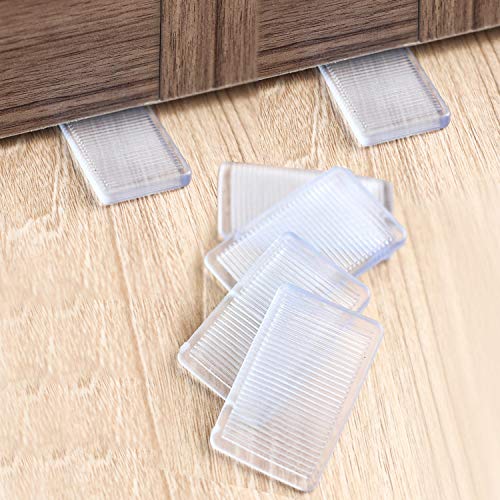
Tahikem 8 Pcs Plastic Clear Table Shims, Level Wedge for Home Furniture, Have Extreme Weight Capacity, Weather Resistant, Levelers for Wobbly Uneven Floors Fixing Toilet Leveling (Transparent)
SIZE – Color: Clear. Pack of 8.This wedges shim is 1-15/16" (50mm) long and 1-3/16" (30mm) wide. Thickness…
As an affiliate, we earn on qualifying purchases.
As an affiliate, we earn on qualifying purchases.
Conclusion
Now that you know the five common causes of a wobbly desk, you’re better equipped to fix it and restore stability. Remember, a steady workspace boosts productivity and keeps frustration at bay. Don’t let a wobbly desk be a thorn in your side—tackle the problem head-on before it snowballs into something bigger. With a little effort, you can get back to focusing on what really matters, because a stable desk is the foundation of a smooth workday.

Desktop Fasteners Figure 8 (Pack of 30) ,Heavy Duty 12 Gauge Steel Table Top Connector Desk Top Hold Down Fasteners Clip with Screws
12-gauge carbon steel (almost 1/8" thick) with 60 screws – zinc coated to prevent rusting and corrosion
As an affiliate, we earn on qualifying purchases.
As an affiliate, we earn on qualifying purchases.

IBF Solid Real Wood Desk, Minimalist 47” Natural Wood Computer Desk, Rustic Desk for Home Office Writing Study, Vintage Industrial Wooden PC Gaming Workstation Computer Table, Brown, 47 Inch
Real Fir Wood Desktop: This IBF solid wood computer desk features a high-quality, natural premium fir wood desktop….
As an affiliate, we earn on qualifying purchases.
As an affiliate, we earn on qualifying purchases.