
Choosing the right standing desk height is key to comfort and productivity. If it’s too high, your shoulders tense and your arms feel strained; too low, and you might slouch, causing back pain. Proper height allows elbows to stay at about 90 degrees and keeps your posture natural. Small adjustments can make a big difference in preventing fatigue and discomfort. Keep going to discover how to find that perfect balance and avoid common pitfalls.

Get comfort and recovery gear delivered free with Prime
- Fast, free delivery on millions of items
- Prime Video, Amazon Music and more included
- Member-only deals all year
Key Takeaways
- Choosing the wrong height can cause discomfort, fatigue, and poor posture, making your standing desk experience frustrating.
- Proper height ensures elbows are at about 90 degrees, reducing strain on shoulders, neck, and wrists.
- An unstable or wobbly desk can negate ergonomic benefits and cause distractions or accidents.
- Fine-tuning your desk height with adjustable features prevents constant posture adjustments and boosts comfort.
- Incorrect height setup can lead to long-term injury risks and decrease overall work efficiency.
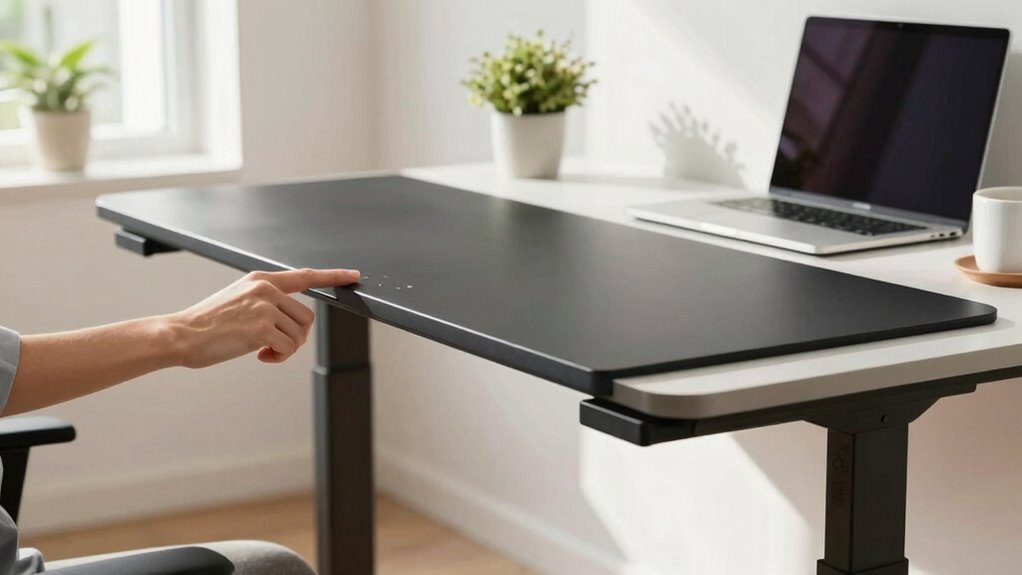
Have you ever wondered how high your standing desk should be to maximize comfort and productivity? It’s a simple question with a surprisingly nuanced answer. The ideal height isn’t just about personal preference; it’s about making effective ergonomic adjustments that support your body and keep your workspace stable. If your desk isn’t the right height, you might find yourself hunching over, straining your neck, or feeling fatigued long before the workday ends. That’s why choosing the correct standing desk height range is critical—what seems like a minor detail can profoundly impact your comfort and efficiency.
When you set your desk too high, your shoulders can tense up, and your arms might lift uncomfortably, leading to strain over time. Conversely, if it’s too low, you’ll likely slouch or lean forward, which can cause back pain and poor posture. Finding the right height involves considering your elbow angle; ideally, your elbows should rest at about a 90-degree angle when your hands are on the desk. This position minimizes strain on your shoulders and wrists. To achieve this, you need to make precise ergonomic adjustments—not just guesswork—by adjusting your desk height until these angles feel natural and comfortable.
Proper desk height ensures elbows stay at a comfortable 90-degree angle, reducing shoulder and wrist strain.
Another key factor often overlooked is desk stability. Even if you set the perfect height, a wobbly or unstable desk can undo all your ergonomic efforts. A stable surface prevents unwanted movement, which can cause discomfort or accidental spills, and also helps you focus better. Whether your standing desk is adjustable or fixed, ensure it’s sturdy enough to support your equipment without wobbling. Stability becomes especially crucial when you’re reaching for objects or typing vigorously, as any wobbling can throw off your posture and cause fatigue or injury over time. Proper ergonomic setup also depends on maintaining a consistent and comfortable working position, which is facilitated by a stable desk. Additionally, considering the correct desk height range helps prevent the need for constant readjustments throughout your work session. Incorporating ergonomic principles into your setup can further enhance your comfort and reduce strain.
Many people underestimate the importance of proper ergonomic adjustments, thinking that a quick height tweak is enough. But if your desk isn’t at the right height, you might find yourself constantly shifting or adjusting your posture, which defeats the purpose of having a standing desk in the first place. It’s worth taking the time to fine-tune your setup. Use a measuring tape or adjustable features to dial in the perfect height range—generally between your hips and waist—so you can switch comfortably between sitting and standing as needed. When you get it right, you’ll notice less fatigue, better focus, and a more natural, relaxed posture. Investing in adjustable features can make this process much easier and more precise.
Choosing the wrong standing desk height sounds like a minor mistake, but it can quickly turn into ongoing discomfort or even injury. So, invest a little extra effort into ergonomic adjustments and ensure your desk’s stability. Doing so guarantees your standing desk becomes a true asset to your productivity and well-being, rather than a source of frustration. Proper ergonomic setup can significantly improve your comfort and prevent strain or injury over time.
As an affiliate, we earn on qualifying purchases.
Frequently Asked Questions
How Do I Adjust a Standing Desk for Optimal Comfort?
To adjust your standing desk for maximum comfort, focus on achieving ergonomic posture and proper desk ergonomics. Set the height so your elbows form a 90-degree angle, and your monitor is eye level. Make small adjustments until your shoulders relax and your wrists stay straight. Regularly shift positions and take breaks to prevent strain. Properly adjusting your desk guarantees comfort and reduces fatigue throughout your workday.
What Materials Are Best for Durable Standing Desks?
Did you know that a durable standing desk can last over a decade? You should look for eco-friendly materials like bamboo or recycled steel, which are both sustainable and sturdy. Heavy-duty construction ensures your desk withstands daily use without wobbling or breaking. Opting for these materials assures a long-lasting, environmentally conscious workspace, giving you confidence in your investment while supporting eco-friendly choices.
Can a Standing Desk Help Reduce Back Pain?
Yes, a standing desk can help reduce back pain if you use it correctly. Pair it with ergonomic accessories like supportive mats and adjustable monitor arms to promote proper posture. Regularly switching between sitting and standing encourages posture correction, easing strain on your back. Remember, maintaining good ergonomics and listening to your body are key to preventing discomfort and enhancing overall comfort during long work hours.
Are Electronic or Manual Height Adjustments Better?
You’ll find electronic height adjustments better for convenience and precision, especially when you’re switching between sitting and standing. They often come with ergonomic accessories like memory presets, making your workspace more comfortable. Manual adjustments work well if you prefer simplicity, but they may require more effort and time. Whichever you choose, prioritize good desk organization to keep your workspace efficient and reduce strain during adjustments.
How Often Should I Change Desk Height During the Day?
You should change your desk height every 30 to 60 minutes to promote movement and reduce strain. Incorporate ergonomic accessories like adjustable monitor arms or footrests to optimize comfort, and consider using desk mat options to support your posture. Regular adjustments keep your body engaged and help prevent fatigue, so listen to your body and shift positions often. This routine enhances productivity and supports your overall well-being throughout the day.
ergonomic desk height monitor stand
As an affiliate, we earn on qualifying purchases.
As an affiliate, we earn on qualifying purchases.
Conclusion
Choosing the right standing desk height isn’t just about comfort—it’s about preventing aches and boosting productivity. Imagine trying to write at a desk that’s too high, like trying to type on a keyboard out of reach—it’s frustrating and inefficient. According to research, the proper height can reduce strain by up to 30%. So, don’t settle for a boring number—find your perfect fit. After all, a well-adjusted desk is your foundation for a healthier, more energized workday.
As an affiliate, we earn on qualifying purchases.
height adjustable desk converter
As an affiliate, we earn on qualifying purchases.
As an affiliate, we earn on qualifying purchases.
Halloween Picks
halloween
As an affiliate, we earn on qualifying purchases.