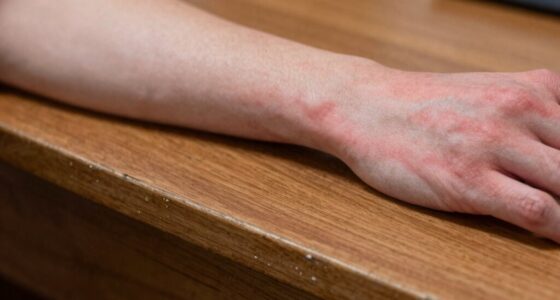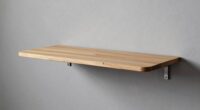
Your desk surface texture impacts your comfort more than you might think. A smooth, reflective surface can cause glare and eye strain, while matte finishes reduce discomfort and improve tactile feeling. Texture also affects stability, noise, and how your skin interacts with the desk, influencing long-term fatigue and strain. Choosing the right surface can support natural movements and ergonomic needs. Stay with us to discover how surface textures can truly enhance your workspace experience.
Key Takeaways
- Surface texture affects glare and eye strain, influencing overall visual comfort during prolonged desk work.
- Matte finishes reduce tactile discomfort and eye fatigue compared to glossy, reflective surfaces.
- Textured surfaces improve grip and stabilize objects, preventing slips and enhancing user control.
- Proper textures minimize vibrations and noise, promoting a quieter, more comfortable workspace.
- Ergonomically designed textures support natural movements, reducing strain and increasing long-term comfort.

Have you ever noticed how the texture of your desk surface can influence your comfort more than you might expect? The surface you work on isn’t just a background for your daily tasks—it plays an essential role in how you feel during long hours at your desk. A smooth, polished surface might seem ideal, but it can sometimes cause glare or discomfort, especially if it’s too reflective. Conversely, a surface with a slight matte finish can reduce eye strain and provide a more pleasant tactile experience. The right texture can make a significant difference in your overall comfort, helping you stay focused and reducing fatigue.
The texture of your desk surface significantly impacts comfort and focus during long work hours.
When choosing a desk surface, consider the importance of ergonomic design. An ergonomically sound desk surface isn’t just about height or shape; it also relates to how the texture interacts with your skin and touch. A textured surface designed with ergonomics in mind can prevent slipping of objects, offer a stable place for your hands, and even help minimize vibrations or noise. This thoughtful approach guarantees that your workspace supports your natural movements, reducing strain and discomfort over time. Additionally, selecting materials with durable textures ensures that your desk maintains its comfort level over years of use. Maintaining a surface with the right texture durability can also prevent premature wear and tear, which might otherwise compromise comfort and safety. Being aware of material properties can assist you in making informed decisions about selecting the best surface for long-term comfort, especially when considering wear resistance and how the surface responds to daily use. Furthermore, understanding how different textures influence user interaction can help you create a more personalized and supportive workspace.

Rust-Oleum Painter's Touch 2X Ultra Cover Spray Paint, Matte Clear
- Suitable for various surfaces: Interior and exterior surfaces including wood, plastic, and metal
- Durable oil-based formula: Resists chips and offers long-lasting protection
- Quick drying and coverage: Dries in 20 minutes, covers 12 sq. ft.
As an affiliate, we earn on qualifying purchases.
As an affiliate, we earn on qualifying purchases.
Frequently Asked Questions
How Does Desk Texture Affect Long-Term Wrist Health?
Your desk texture directly impacts your long-term wrist health by influencing wrist strain and texture perception. A rough or uneven surface can cause you to apply extra pressure or adopt awkward positions, leading to strain over time. Conversely, a smooth, consistent texture helps you maintain proper wrist alignment and reduces tension. Paying attention to your desk surface and choosing a comfortable texture can prevent discomfort and promote healthier wrist habits in the long run.
Can Changing Desk Textures Improve Productivity?
Changing desk textures can definitely boost your productivity. An ergonomic design that feels good under your hands keeps you comfortable and focused longer. Plus, selecting a surface with aesthetic appeal can make your workspace more inviting, encouraging you to work more efficiently. When your desk feels right, it reduces distractions, helps maintain your energy, and makes it easier to stay engaged with your tasks throughout the day.
Are Certain Textures Better for Allergy Sufferers?
Certain textures are better for allergy sufferers because they use fewer allergenic materials and avoid trapping dust or allergens. Smooth, non-porous surfaces are ideal, as they’re easier to clean and don’t harbor allergens like textured surfaces might. Opting for desk surfaces made from hypoallergenic materials reduces allergy triggers. By choosing the right texture, you can minimize allergy symptoms and create a more comfortable workspace tailored to your needs.
How Do Different Materials Impact Desk Durability?
Different materials impact desk durability in ways you’d never imagine—think of it as a fashion show with a sturdy twist. Wood offers timeless appeal and good surface grip, but can scratch easily. Metal is tough but prone to dents and rust, like a grumpy old warrior. Plastic is lightweight and resistant but may crack over time. Your choice affects not just aesthetics but how long your desk withstands daily chaos.
Is There a Preferred Texture for Minimal Maintenance?
A smooth finish or matte surface is ideal for minimal maintenance. You’ll find these textures easier to clean and less prone to fingerprints and smudges. They resist dust accumulation better than rough or glossy surfaces, saving you time. Choosing a matte surface or smooth finish guarantees your desk stays looking fresh with minimal effort, making them the preferred textures for effortless upkeep and a tidy workspace.

Ergohead Anti Fatigue Kitchen Floor Mat Comfort Standing Mat, Portable Office Standing Desk Mat, Multi-Purpose Kitchen Rug, Built-in Handle with Massage Points Comfort Floor Mat (Black, 17" x 22")
- Massage Points for Blood Circulation: Promotes blood flow and muscle movement
- Portable with Handle: Ergonomic handle for easy carrying and storage
- Non-Slip Bottom: Enhanced grip for safety during use
As an affiliate, we earn on qualifying purchases.
As an affiliate, we earn on qualifying purchases.
Conclusion
So, next time you notice your workspace feeling a bit off, consider the texture of your desk. For example, switching from a smooth surface to a textured one could reduce discomfort during long work sessions. Imagine a freelance designer who switched to a slightly ridged desk surface—suddenly, their wrists felt less strained, and their focus improved. Small changes like this can make a big difference in your daily comfort, so don’t overlook the power of your workspace’s surface!

Supershieldz (3 Pack) Anti-Glare (Matte) Screen Protector Designed for Microsoft Surface Pro 12/11 (12th/11th Edition) / Surface Pro 10 / Surafce Pro 9 (13 inch)
- Anti-glare matte finish: Reduces glare and fingerprints
- High-quality Japanese PET: Easy to install, residue-free removal
- Real touch sensitivity: Natural feel with accurate touch
As an affiliate, we earn on qualifying purchases.
As an affiliate, we earn on qualifying purchases.
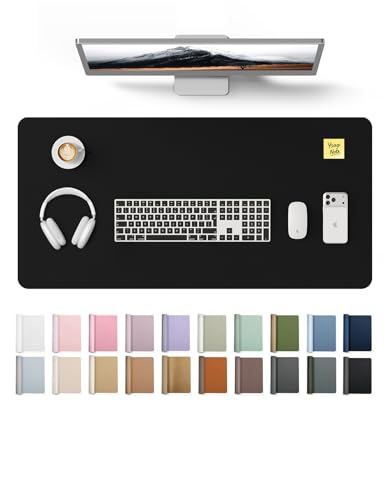
YSAGi Leather Desk Protector, Office Mat, Large Mouse Mat, Non-Slip PU Leather Blotter, Laptop Desk Mat, Waterproof Writing Pad for Office and Home (Black, 31.5" x 15.8")
- Durable PU Leather Material: Protects desk from scratches and spills
- Multi-Color Options: Change workspace mood with different colors
- Multi-Functional Surface: Use as large mouse pad and writing surface
As an affiliate, we earn on qualifying purchases.
As an affiliate, we earn on qualifying purchases.