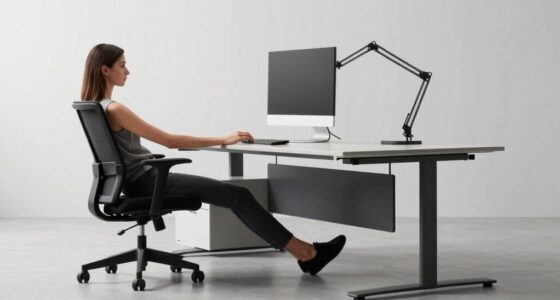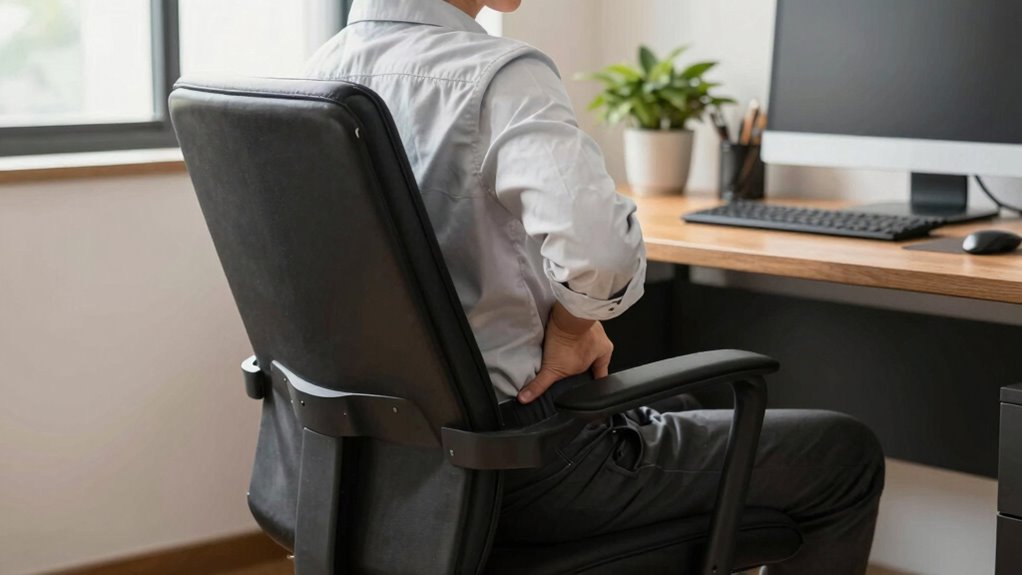

To ease tailbone pain at your desk, start by adjusting your chair height, ensuring your feet are flat on the floor and your knees are at a 90° angle. Use lumbar support and add a cushioned or specialized tailbone cushion with cutouts for relief. Shift your position regularly, stand up every 30 minutes, and incorporate movement to improve circulation. Keep exploring simple tips to create a more comfortable and pain-free workspace.
Key Takeaways
- Adjust your chair height so feet are flat, knees at 90°, and hips in a neutral position.
- Use a tailbone or memory foam cushion with cutouts to reduce pressure on your coccyx.
- Take regular breaks to stand, shift positions, and promote circulation.
- Ensure your backrest provides proper lumbar support for optimal posture.
- Optimize your workspace with ergonomic accessories and a comfortable environment to prevent discomfort.

If you’re experiencing tailbone pain, your chair could be part of the problem. Sitting at a desk all day can put pressure on your coccyx, especially if your chair isn’t supporting your body properly. Making some ergonomic adjustments can make a big difference. Start by checking your chair’s height. Your feet should rest flat on the floor, and your knees should be at a 90-degree angle. If your feet don’t reach, use a footrest. Adjusting the backrest so it supports your lower back and encourages good posture reduces strain on your tailbone. You want your hips to sit comfortably in the seat, with your pelvis in a neutral position. If your chair lacks lumbar support, consider adding a cushion that promotes proper spinal alignment. Proper home soundproofing can also help create a more comfortable and distraction-free environment, reducing overall stress during long sitting periods. Additionally, incorporating ergonomic accessories can further customize your workspace to support your posture and reduce discomfort.
Speaking of cushions, cushion options are a simple yet effective way to alleviate tailbone discomfort. Standard chairs often have hard, flat seats that don’t contour to your body, which can increase pressure on your coccyx. Using a cushioned seat or a specialized tailbone cushion redistributes your weight and relieves pressure directly from your tailbone. Look for cushions with cutouts or “tailbone relief” features designed to lift your coccyx off the hard surface. Memory foam cushions mold to your body, providing extra comfort and support. Gel-filled cushions also help distribute pressure evenly, reducing discomfort during long sitting periods. These cushion options are portable, so you can take them between your office chair, car, or even on planes.
In addition to adjusting your chair and adding cushions, consider your sitting habits. Shift your position regularly and avoid slouching forward, which can put more strain on your tailbone. Standing up briefly every 30 minutes helps to reduce prolonged pressure and improves circulation. Proper ergonomic adjustments and the right cushion options don’t just make sitting more comfortable—they can prevent or significantly reduce tailbone pain. Remember, small changes often lead to big relief, so don’t hesitate to experiment with different configurations until you find what works best for you. Prioritizing your comfort at your desk isn’t just about convenience; it’s about protecting your health and avoiding chronic pain. With these simple chair fixes, you can sit more comfortably, stay productive, and keep your tailbone happy.

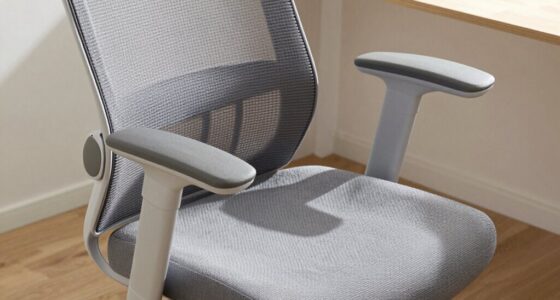
TRALT Office Chair – Ergonomic Desk Chair with Adjustable Lumbar Support, Mesh Computer Chair, Executive Chairs for Home Office Comfortable Lumbar Support (Black)
Ergonomic Office Chair: Experience unparalleled support with our ergonomic office chair, designed to provide comprehensive assistance for your…
As an affiliate, we earn on qualifying purchases.
As an affiliate, we earn on qualifying purchases.
Frequently Asked Questions
Can Specific Chair Materials Reduce Tailbone Pain?
Yes, specific chair materials can reduce tailbone pain. Material comfort plays a key role, so choosing chairs with soft, breathable fabrics or high-quality cushion materials helps distribute your weight evenly. Cushion materials like memory foam or gel padding provide better support and reduce pressure on your tailbone. By selecting a chair with the right materials, you can minimize discomfort, improve posture, and make your workspace more comfortable for long hours.
How Often Should I Adjust My Chair for Comfort?
You should adjust your chair regularly, about every 30 minutes, to maintain comfort and support. Focus on posture correction by sitting upright and keeping your feet flat. Use cushion placement effectively—add a cushion or lumbar support if needed—to reduce tailbone pressure. Frequent adjustments help prevent strain, improve circulation, and guarantee your posture stays ideal throughout the day, ultimately minimizing tailbone pain and discomfort.
Are There Ergonomic Accessories That Help Prevent Tailbone Pain?
Did you know that ergonomic accessories can reduce tailbone pain by up to 60%? Yes, choosing the right cushion types, like gel or memory foam, can provide extra support and relieve pressure. Combining these with posture tips, such as sitting back fully and keeping feet flat, helps prevent discomfort. Investing in a coccyx cushion or a seat wedge offers targeted relief, making long hours at your desk much more comfortable.
What Signs Indicate My Chair Setup Is Causing Pain?
If you notice persistent tailbone pain, your chair setup might be the culprit. Signs include poor pelvic alignment, discomfort after sitting for a while, or feeling unsupported in your lumbar area. You should check if your lumbar support is properly positioned to maintain natural spine curves. Also, make certain your pelvis is aligned correctly, and your hips are level. Adjusting these elements can considerably reduce pain and improve your sitting posture.
Can Exercise Improve Tailbone Pain From Sitting?
Think of your tailbone as a stubborn tree root underground. Exercise can help loosen and strengthen the surrounding soil, easing pain. Incorporate posture correction techniques and stretching routines to release tension and improve alignment. Regular movement encourages blood flow and flexibility, reducing discomfort. While exercise alone won’t fix everything, it complements chair adjustments, making sitting more comfortable and preventing tailbone pain from taking root again.

SAIREIDER Office Chair Cushion, Car Seat Cushion, Memory Foam Coccyx Cushion Pads for Tailbone Pain, Sciatica Relief Pillow, Correct Sitting Posture (Black)
[Ergonomic Design] Perfect office chair cushion, 100% memory foam cushion helps relieve the pressure while driving or sitting…
As an affiliate, we earn on qualifying purchases.
As an affiliate, we earn on qualifying purchases.
Conclusion
Did you know that sitting improperly can increase tailbone pain by up to 50%? By making simple chair adjustments, like adding a cushion or ensuring proper lumbar support, you can considerably improve your comfort at work. Small changes can prevent long-term discomfort and boost your productivity. So, take a moment to optimize your chair now—your tailbone will thank you, and you’ll feel better throughout your workday. Your back deserves that extra bit of care!
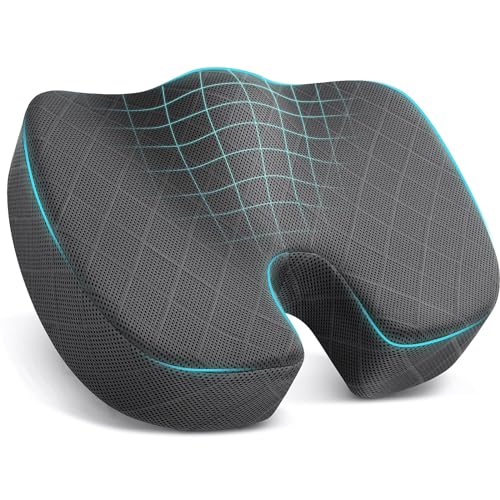
TushGuard Seat Cushion – Memory Foam Cushion for Office Chair, Car Seat, Airplane, Bleacher – Sciatica & Hip & Coccyx Pain Relief Desk Chair Cushion for Long Sitting Office Workers, Car Drivers
【Premium Memory Foam】Our office chair seat cushion is made of 100% pure memory foam, soft and firm, uses…
As an affiliate, we earn on qualifying purchases.
As an affiliate, we earn on qualifying purchases.

CasaZenith Foot Rest, Six Heights Adjustable Foot Rest for Under Desk at Work, Ergonomic Foots Stool for Under Office Desks, Under Desk Footrest with Foot Massage Roller, Chair Footrest for Leg Rests
Desk Foot Rest with 6 Six Height Adjustment: Our foot stool can be adjusted according to your height,…
As an affiliate, we earn on qualifying purchases.
As an affiliate, we earn on qualifying purchases.