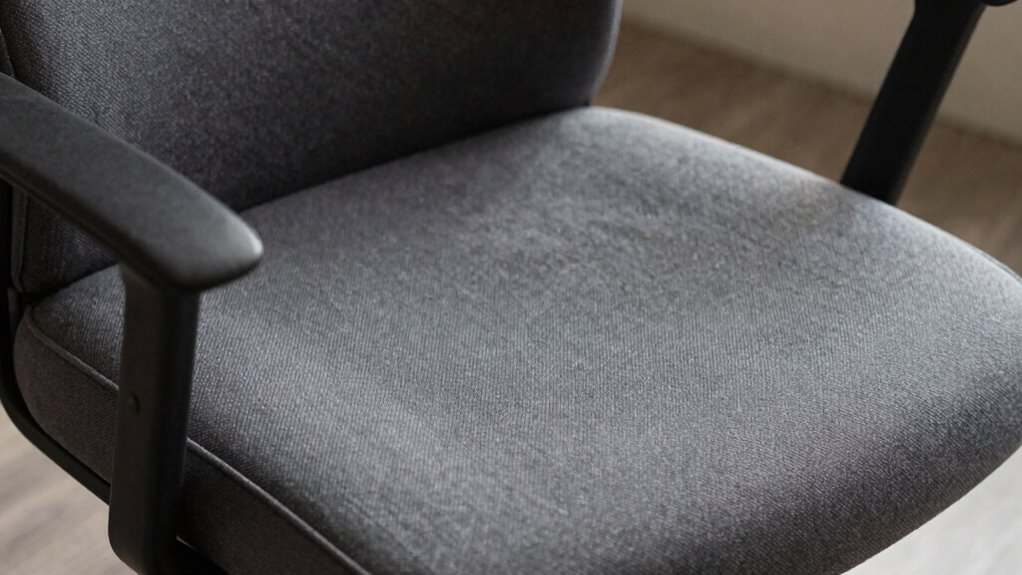

You often judge seat firmness too late, only noticing discomfort after several weeks or months of use. When you sit down, it’s easy to focus on look and features, but firmness is essential for long-term comfort and good posture. If you wait until pain or strain appears, it’s a sign you missed early cues. Pay attention to how the seat feels now—there’s more to discover if you keep going.
Key Takeaways
- Buyers often test seat firmness only after discomfort develops, missing early signs of inadequate support.
- Initial comfort may hide poor long-term support, leading to late realization of firmness issues.
- Proper firmness assessment during purchase can prevent posture problems and prolonged discomfort.
- Relying solely on initial feel rather than testing over time causes late judgment of seat quality.
- Early evaluation of firmness ensures better ergonomic support and reduces the risk of future health issues.
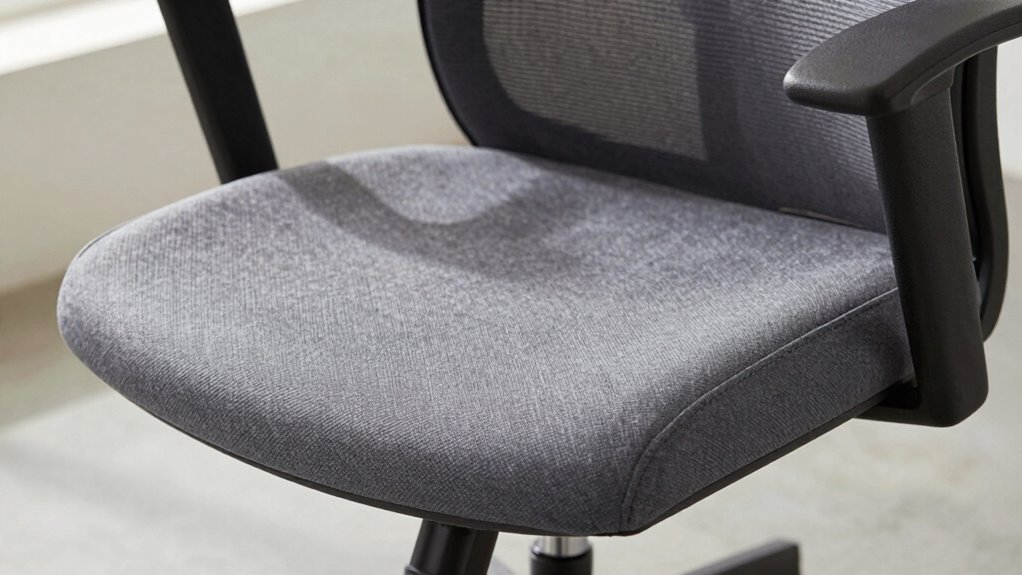
Have you ever wondered how the firmness of your seat affects your comfort and posture? It’s a detail many overlook until discomfort hits or your back starts aching. The firmness of a chair isn’t just a minor feature; it plays a vital role in how well you can sit for extended periods. When shopping for a new chair, most people focus on style or price first, rarely considering how the seat itself feels. But that’s a mistake. The seat’s firmness influences your overall ergonomic experience, impacting your spinal alignment and how your body distributes weight. If the cushion is too soft, you might sink in too much, causing poor posture and strain. If it’s too hard, it can lead to pressure points and discomfort. The key is finding a balance that supports your body without feeling either too plush or too rigid.
One of the main factors affecting seat firmness is the ergonomic design of the chair. A well-designed seat takes into account the natural curves of your body, distributing pressure evenly and encouraging good posture. Chairs built with ergonomic principles often incorporate adjustable features so you can modify the seat’s firmness to suit your preferences. For example, some chairs have foam layers combined with resilient materials that retain their shape over time, ensuring consistent support. Material durability also plays a critical role here. High-quality materials, like dense foam or reinforced padding, resist sagging and maintain their firmness longer, providing stable support even after months or years of use. Cheaper materials may soften quickly, leading to a less supportive and less comfortable sitting experience. Paying attention to material properties can help you better understand how the seat will perform over its lifespan. Additionally, selecting chairs with adjustable features allows you to customize firmness levels to match your comfort needs, which can prevent long-term discomfort. Moreover, testing the seat’s supportiveness during your initial trial can help ensure it meets your ergonomic requirements before making a purchase.
Many buyers make the mistake of judging seat firmness too late—only after experiencing discomfort or noticing poor posture during long sitting sessions. By then, the damage might be done, and adjusting your posture or replacing the chair becomes necessary. That’s why it’s essential to test the seat firmness during your initial selection. Sit on the chair for a few minutes, shift your weight, and see if the support feels natural. Ask yourself whether the seat maintains its shape and support over time. Remember, a well-designed chair with quality materials offers a more consistent and comfortable experience, making it easier to focus on your work or relax without distraction. Prioritizing seat firmness early on can save you from discomfort later, ensuring your sitting experience supports your health and productivity in the long run.

Marsail Ergonomic Office Chair: Office Desk Chair with High Back Mesh and Adjustable Lumbar Support Rolling Work Swivel Task Chairs with Wheel 3D Armrests and Headrest
- Fully Adjustable Headrest: 2D adjustable for personalized support
- Reclining Backrest: Adjusts from 90° to 120°
- 3D Adjustable Armrests: Customizable for comfort
As an affiliate, we earn on qualifying purchases.
As an affiliate, we earn on qualifying purchases.
Frequently Asked Questions
How Does Seat Firmness Affect Long-Term Comfort?
You might not realize it, but seat firmness greatly impacts long-term comfort by providing ergonomic support and ideal pressure distribution. A too-soft seat can cause discomfort and poor posture, while a firm chair supports your body better over time. When choosing a chair, prioritize firmness that balances support and softness, ensuring you stay comfortable and maintain good posture during extended periods of sitting.
Can Seat Firmness Be Adjusted After Purchase?
Yes, seat firmness can often be adjusted after purchase. Many ergonomic chairs feature adjustable components like foam density, air-filled cushions, or support panels, allowing you to fine-tune comfort without sacrificing aesthetic design. While some models offer intuitive ergonomic adjustments, others may require additional accessories or modifications. These adjustments help you find the perfect balance between comfort and style, proving that a chair’s firmness isn’t set in stone but adaptable to your evolving needs.
What Materials Contribute to Optimal Seat Firmness?
Memory foam and hybrid materials are key to achieving ideal seat firmness. Memory foam molds to your body, providing supportive comfort without feeling too soft or too firm. Hybrid materials combine foam with resilient elements like coils or gel, offering a balanced feel that adapts to your movements. By choosing chairs made with these materials, you guarantee consistent firmness and support, making your seating experience more comfortable and durable over time.
Is Softer Always Better for Seat Comfort?
Softer isn’t always better for seat comfort; it depends on your needs. A firmer seat offers ergonomic benefits by providing better support and maintaining proper posture, reducing strain over time. While softer cushions might feel cozy initially, they can cause discomfort and poor alignment. Plus, the aesthetic appeal matters—some softer seats can look less structured. Ultimately, choose a seat that balances firmness with comfort to support both your posture and style.
How Does Seat Firmness Impact Posture?
You discover that a firm chair provides better ergonomic support, positively impacting your posture. For example, a study shows that chairs with ideal firmness promote even pressure distribution, reducing strain on your back and hips. Too soft seats cause you to slump, while overly hard ones might cause discomfort. Finding the right firmness guarantees proper alignment, encouraging healthier posture and preventing long-term issues.

Acxseo 6" Extra Thick Memory Foam Office Chair Cushion – 2-Layer Booster Seat for Back & Tailbone Pain Relief, 18 x 16 x 6in Non-Slip Cushion with Carry Handle for Wheelchair, Car, and Airplane
- Enhanced Comfort and Support: High-density memory foam for pressure relief
- Versatile for Multiple Uses: Suitable for office, sofa, wheelchair, and travel
- Durable and Easy to Clean: Breathable, water-resistant fabric with removable cover
As an affiliate, we earn on qualifying purchases.
As an affiliate, we earn on qualifying purchases.
Conclusion
Next time you settle into a chair, imagine sinking into a cloud or a firm embrace—you’ll realize seat firmness is the detail that truly makes or breaks your comfort. Don’t wait until your back aches or your mood sours; feel the seat beneath you now. When you choose wisely, every sit becomes a moment of relaxation rather than regret. Trust your instincts on firmness—your back will thank you for it.
Marsail Ergonomic Office Chair: Office Desk Chair with High Back Mesh and Adjustable Lumbar Support Rolling Work Swivel Task Chairs with Wheel 3D Armrests and Headrest
- Fully Adjustable Headrest: 2D adjustable for personalized support
- Reclining Backrest: Adjusts from 90° to 120°
- 3D Adjustable Armrests: Customizable for comfort
As an affiliate, we earn on qualifying purchases.
As an affiliate, we earn on qualifying purchases.
Marsail Ergonomic Office Chair: Office Desk Chair with High Back Mesh and Adjustable Lumbar Support Rolling Work Swivel Task Chairs with Wheel 3D Armrests and Headrest
- Fully Adjustable Headrest: 2D adjustable for personalized support
- Reclining Backrest: Adjusts from 90° to 120°
- 3D Adjustable Armrests: Customizable for comfort
As an affiliate, we earn on qualifying purchases.
As an affiliate, we earn on qualifying purchases.