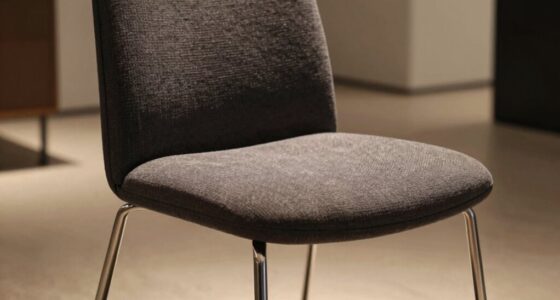
To keep your office chair in top shape, regularly adjust its ergonomic features for comfort, clean the upholstery with gentle products, and inspect parts for loose screws or damage. Lubricate moving mechanisms and tighten any wobbling components to guarantee stability. Avoid eating or drinking on it to prevent stains, and use a chair mat to protect floors. Following these simple steps helps extend your chair’s lifespan, and more tips await to optimize its performance even further.
Key Takeaways
- Regularly adjust ergonomic features like seat height and lumbar support for comfort and longevity.
- Clean upholstery frequently with appropriate cleaners to prevent stains and material degradation.
- Inspect and tighten loose hardware or components to ensure stability and safety.
- Lubricate casters and tilt mechanisms periodically for smooth operation.
- Use protective measures such as chair mats and avoid eating on the chair to prevent damage.

Have you ever wondered how to keep your office chair in top shape? Maintaining your chair isn’t just about occasional cleaning; it’s about consistent care and adjustments that guarantee comfort and longevity. The first step is understanding the importance of ergonomic adjustments. Your chair should support your posture properly, reducing strain and preventing discomfort during long hours of work. Adjust the height so your feet rest flat on the floor, and your knees are at a 90-degree angle. Make sure the lumbar support aligns with your lower back to promote good spinal health. If your chair has adjustable armrests, set them so your shoulders relax and your arms rest comfortably. These simple ergonomic tweaks can substantially extend the chair’s lifespan by preventing unnecessary wear and tear on the components.
Adjust your office chair for proper support to enhance comfort and extend its lifespan.
Next, focus on upholstery cleaning. Over time, dust, dirt, and sweat can accumulate on your chair’s fabric or leather, leading to stains, odors, and material degradation. Regularly vacuum or brush the upholstery to remove loose debris. For fabric seats, use a mild upholstery cleaner or a mixture of water and gentle soap. Test any cleaning solution on a small, hidden area first to avoid discoloration. For leather chairs, use a damp cloth and a leather conditioner to keep the material supple and prevent cracking. Don’t forget to clean the armrests, headrests, and any seams where dirt tends to settle. This routine not only keeps your chair looking fresh but also preserves the fabric or leather, extending its overall durability. Incorporating regular maintenance can help prevent major repairs and prolong the life of your chair.
In addition to adjustments and cleaning, inspect your chair periodically for signs of damage or loose parts. Tighten any loose bolts or screws to ensure stability. If you notice wobbling or creaking sounds, it’s often a sign that some components need tightening or replacing. Lubricate moving parts like casters and tilt mechanisms with appropriate lubricants to keep them functioning smoothly. Preventative maintenance like this avoids costly repairs and keeps your office chair performing at its best.
Finally, remember that proper maintenance goes beyond routine cleaning and adjustments. Avoid eating or drinking on your chair to prevent stains, and use a chair mat if you’re on a hardwood or carpeted floor to protect the casters. By combining ergonomic adjustments, upholstery cleaning, and regular inspections, you ensure your office chair remains comfortable, functional, and durable for years to come. Taking these small but consistent steps can make a noteworthy difference in your daily comfort and the longevity of your investment.

Lumbar Support Pillow for Office Chair, Office Home Essentials,Gifts for Mom,Dad, Back Support Pillow for Car, Chair Cushions,Back Pain Relief Improve Posture,Mesh Cover Double Adjustable Straps
- Extended Adjustable Straps: Fits more chairs securely
- Ergonomic Back Support: Relieves back pain and improves posture
- High-Density Memory Foam: Maintains shape and provides firm support
As an affiliate, we earn on qualifying purchases.
Frequently Asked Questions
How Often Should I Replace My Office Chair?
You should consider replacing your office chair every 5 to 10 years, depending on its ergonomic benefits and level of comfort. Over time, wear and tear can reduce its support, making chair customization less effective and impacting your posture. If you notice persistent discomfort, squeaking, or broken parts, it’s time for a new chair to guarantee you maintain proper ergonomics and stay comfortable during long work hours.
Can I Repair a Broken Caster Wheel Myself?
Can you confidently tackle caster wheel repair? Absolutely! With some simple DIY chair fixes, you can fix a broken caster wheel yourself. First, remove the damaged wheel, then clean and inspect the replacement. Often, replacing just the caster is straightforward and saves money. Don’t delay—delve into DIY chair fixes, and you’ll quickly restore your chair’s smooth spin, saving time and tailoring your workspace with a bit of handy, hopeful hustle.
What Are the Signs My Chair Needs Replacement?
You’ll notice your chair needs replacing when ergonomic adjustments no longer improve comfort or support, and upholstery cleaning doesn’t restore its appearance. If the seat feels uneven, squeaks persist despite maintenance, or it wobbles excessively, these are signs it’s time for a new chair. Don’t ignore persistent issues; a well-maintained chair supports your health, but when problems persist, replacement guarantees safety and comfort.
Are There Eco-Friendly Maintenance Options?
Did you know that choosing eco-friendly cleaning products can reduce your household chemical exposure by up to 90%? You can opt for sustainable alternatives like vinegar, baking soda, or plant-based cleansers for your office chair. These eco-friendly cleaning options are safe, effective, and gentle on the environment. Regular maintenance with sustainable products helps extend your chair’s lifespan, making it a smart, eco-conscious choice for keeping your workspace clean and green.
How Do I Prevent Squeaking Noises?
To prevent squeaking noises, start with lubrication tips by applying a silicone-based lubricant to the chair’s moving parts. Regularly check and tighten loose screws and bolts to minimize noise. Use noise reduction techniques like adding felt pads under the wheels or armrests. These simple steps help keep your office chair quiet and smooth, ensuring comfortable seating. Make lubrication a routine, and you’ll enjoy a squeak-free experience every day.

Samsonite Lumbar Support Pillow for Office Chair, Lower Back Support for Car, Back Pillow Desk Chair Cushion with Memory Foam, Improved Posture Backrest
- Contoured Memory Foam: Provides all-day lumbar support
- Adjustable Straps: Ensures secure fit on chair and car seats
- Ventilated Mesh Cover: Promotes airflow for cooler sitting
As an affiliate, we earn on qualifying purchases.
Conclusion
By staying consistent with your office chair maintenance, you’ll save money and avoid the hassle of replacements. It’s easy to overlook small issues, but addressing them early keeps your chair comfortable and functional. Think of it like regular oil changes for a car—preventative care extends its lifespan and ensures smooth sitting every day. So, don’t wait until discomfort or breakdowns happen; a little upkeep now means a more productive, pain-free workday for years to come.
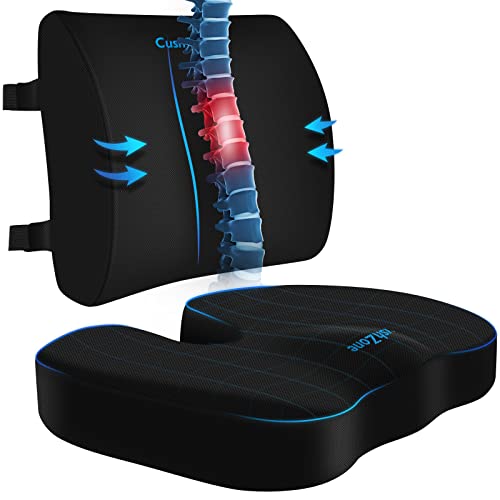
CushZone Seat Cushion and Lumbar Support Pillow for Office Chair, Black
- Ergonomic Dimensions for Comfort: Sized for most users with ergonomic design
- High-Quality Materials: Made of durable fabric with quality zippers
- Non-Slip and Adjustable Fit: Non-slip bottom and adjustable straps for stability
As an affiliate, we earn on qualifying purchases.

Everlasting Comfort The Original Lumbar Support Pillow for Office Chair - Improves Posture, Promotes Back Pain Relief - Superior Back Support for Gaming and Desk Chairs - Lumbar Pillow for Car, Couch
- High-Density Memory Foam: Provides firm, long-lasting support
- Supports Natural Spine Curve: Encourages better posture and reduces slouching
- Versatile Use: Suitable for office, car, couch, and gaming chairs
As an affiliate, we earn on qualifying purchases.