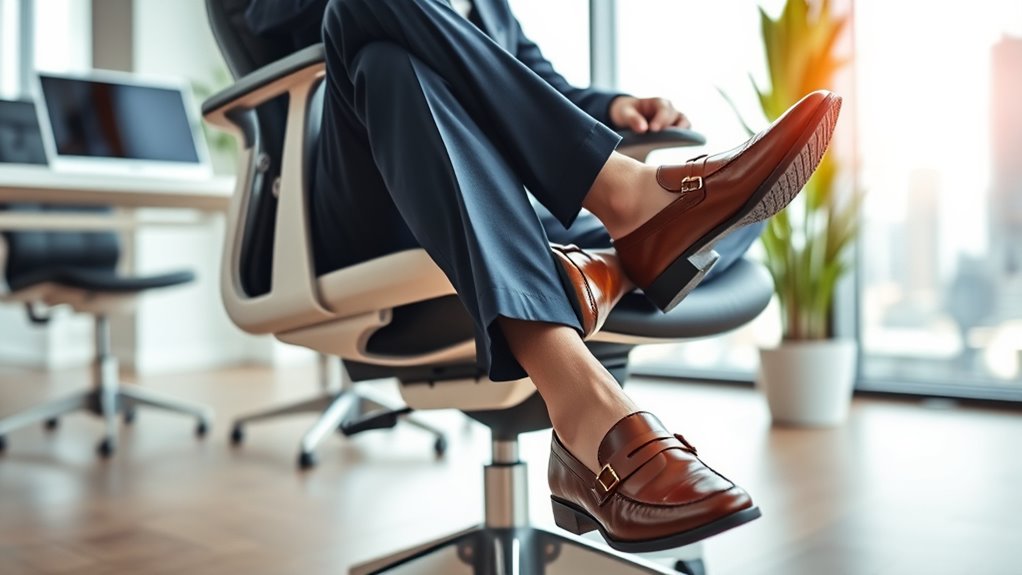
Sitting cross-legged on an office chair may feel comfortable at first, but it can cause problems if you do it often or for long periods. It can lead to uneven pressure on your hips, strain your lower back, and restrict blood flow, resulting in numbness or tingling. Over time, this posture may contribute to musculoskeletal issues and circulation concerns. To keep safe, it’s best to alternate positions and move regularly—if you want to learn more, keep going.
Key Takeaways
- Sitting cross-legged can cause uneven pressure and strain on hips and lower back if maintained long-term.
- This posture may restrict blood flow, leading to numbness, tingling, or circulation issues over time.
- Prolonged cross-legged sitting can contribute to musculoskeletal misalignment and discomfort.
- Alternating positions and taking breaks are recommended to prevent ergonomic and circulation problems.
- Occasional sitting cross-legged is generally safe, but sustained periods should be avoided for long-term health.
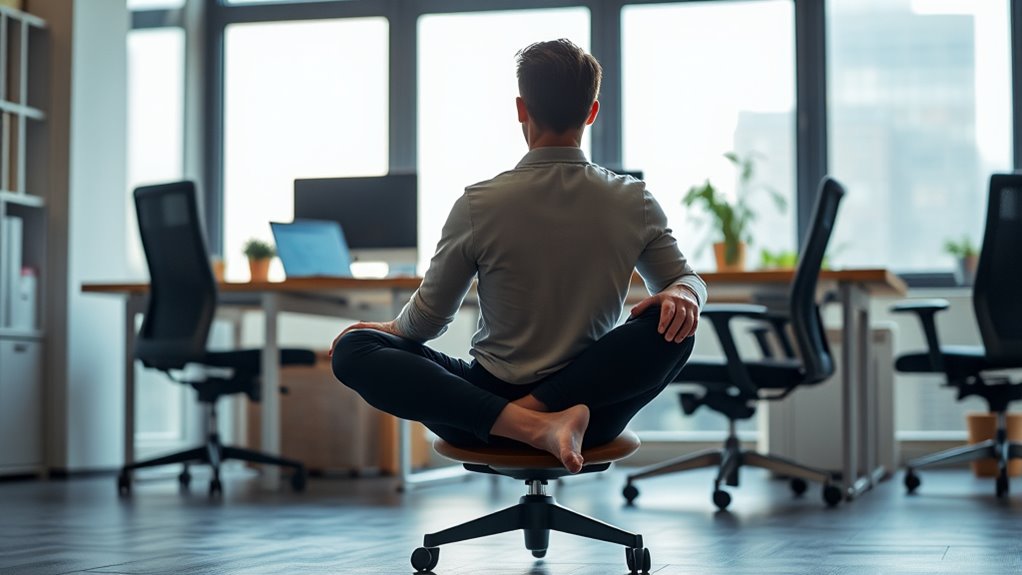
Have you ever wondered if sitting cross-legged on an office chair is bad for your health? It’s a common posture that many find comfortable, but you might be concerned about its long-term effects. One thing to consider is the ergonomic benefits versus potential circulation concerns. Sitting cross-legged can provide some immediate comfort, especially if it helps you relax or focus, but it’s important to understand how this position impacts your body over time.
From an ergonomic perspective, sitting cross-legged may seem harmless, but it can introduce some issues. For instance, it might lead to uneven weight distribution, causing one hip to bear more pressure than the other. This imbalance can strain your lower back and pelvis, potentially leading to discomfort or misalignment if maintained consistently. On the flip side, some find that crossing their legs helps open up their hips and relieves tension in the lower back, offering short-term ergonomic benefits. However, these benefits are often temporary, and sitting like this for prolonged periods might negate any positive effects.
Sitting cross-legged may cause uneven pressure and strain if maintained long-term.
Circulation concerns are another critical aspect to think about. When you sit cross-legged, especially for extended durations, you can restrict blood flow in your legs. This position can compress blood vessels and nerves, leading to numbness, tingling, or even swelling after a while. If you notice a pins-and-needles sensation or your leg feeling cold or heavy, it’s a sign that circulation is being compromised. Over time, poor circulation can increase the risk of varicose veins or deeper vein thrombosis, especially if combined with other risk factors like prolonged sitting or obesity.
Additionally, maintaining this posture for long periods can contribute to postural misalignment, which may cause pain or discomfort in the hips, knees, or lower back. To minimize these issues, it’s best to alternate your sitting positions regularly. Shift your posture, stretch your legs, and take short breaks to stand and move around. If you prefer sitting cross-legged sometimes, do so in moderation, ensuring it doesn’t become your default position for hours on end. Using an ergonomic chair that offers good lumbar support can help maintain proper posture, even when you change positions. Remember, the key is balance — enjoy the comfort of sitting cross-legged occasionally, but prioritize movement and alignment to protect your health in the long run.

Marsail Ergonomic Office Chair: Office Desk Chair with High Back Mesh and Adjustable Lumbar Support Rolling Work Swivel Task Chairs with Wheel 3D Armrests and Headrest
Fully Adjustable Office Chair: Customized chairs, featuring with an adjustable 2D headrest, backrest with 90° to 120° recline,…
As an affiliate, we earn on qualifying purchases.
As an affiliate, we earn on qualifying purchases.
Frequently Asked Questions
Can Sitting Cross-Legged Improve or Worsen Posture Over Time?
Sitting cross-legged can improve your posture temporarily by promoting better hip alignment, but over time, it might worsen muscle tension and cause imbalances. You may feel relief initially, but prolonged cross-legged sitting can strain your hips and lower back, leading to discomfort. To maintain good posture, switch positions regularly, and make sure your hips and spine stay aligned, preventing muscle tension from developing and promoting overall musculoskeletal health.
Does Sitting Cross-Legged Affect Circulation in the Legs or Feet?
Sitting cross-legged can restrict circulation and cause nerve compression, much like a garden hose pinched shut, cutting off water flow. You might notice numbness or tingling in your legs and feet after a while. This position can put pressure on blood vessels and nerves, leading to discomfort or even longer-term issues if maintained frequently. To stay safe, switch positions regularly and avoid staying cross-legged for extended periods.
Are There Specific Health Conditions Worsened by Sitting Cross-Legged?
Sitting cross-legged can worsen hip pain or irritate the sciatic nerve if you have existing conditions. You might experience increased discomfort or nerve tingling, especially if you have sciatica or hip issues. Prolonged sitting in this position can strain your hips and lower back, leading to more pain. To avoid aggravating these conditions, try to sit with your feet flat on the ground and take regular breaks.
How Long Is It Safe to Sit Cross-Legged on an Office Chair?
You should limit sitting cross-legged on an office chair to about 20-30 minutes at a time. Sitting this way too long can affect your hip flexibility and reduce leg circulation, leading to discomfort or numbness. To stay comfortable and healthy, switch positions regularly, stretch your hips, and stand up frequently. Listening to your body helps prevent strain and keeps your muscles and circulation in good shape.
Are There Ergonomic Benefits or Drawbacks to Sitting Cross-Legged?
Sitting cross-legged can be like balancing on a tightrope—you gain some benefits but risk losing stability. It may improve hip flexibility temporarily, but it can also strain your joints if done long-term. Without proper support, you might compromise joint stability, leading to discomfort or injury. If you prioritize ergonomic health, alternate sitting positions and stretch regularly to keep your hips flexible and joints stable.

HUANUO Adjustable Desk Footrest, Foot Rest for Under Desk at Work with Massage, Adjustable Foot Stool with 3 Height Position & 30 Degree Tilt Angle Adjustment for Home, Office
Ergonomic Office footrest – Helps to improve posture by keeping your feet and legs elevated. Rest your legs…
As an affiliate, we earn on qualifying purchases.
As an affiliate, we earn on qualifying purchases.
Conclusion
Sitting cross-legged on an office chair might seem harmless, but it’s like building a tiny fortress of bad posture that could topple your spine’s kingdom. Over time, you could develop a crooked throne, causing pain that spreads like wildfire through your back and hips. So, unless you want your body to turn into a twisted pretzel, it’s best to sit properly. Your spine will thank you, and you’ll stay pain-free enough to conquer your workday!

FEATOL Anti Fatigue Mat for Standing, 9/10 Extra Thick Ergonomic Standing Desk Mat, Comfort & Durable Memory Foam Standing Mat at Home,Office All Day (20" x 32", Black, 1PC)
[Anti Fatigue Standing Desk Mat] – This anti fatigue mat standing desk office is effective in reducing stress…
As an affiliate, we earn on qualifying purchases.
As an affiliate, we earn on qualifying purchases.
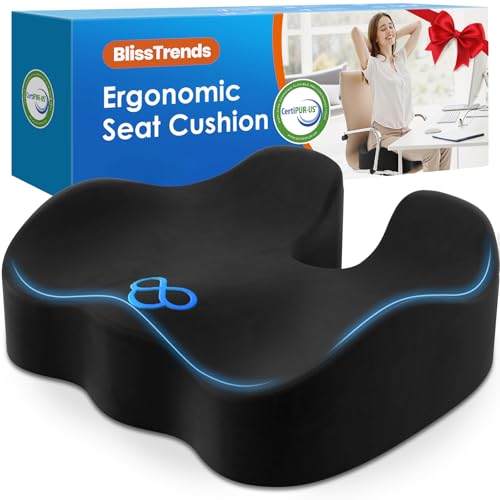
BlissTrends Seat Cushion,Thick Memory Foam Cushions for Office Chair, Car Seat, Airplane, Relieving Pressure Tailbone Sciatica Back Pain for Long Sitting Office Workers, Car Drivers 4.7in Thick Black
Ergonomic Tailbone & Pressure Relief Design — Strategically shaped cushion helps relieve sciatica, tailbone pain, hip pressure and…
As an affiliate, we earn on qualifying purchases.
As an affiliate, we earn on qualifying purchases.