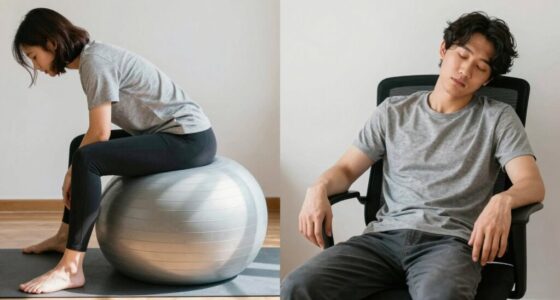
To stay active while you work, incorporate simple under-desk exercises like leg lifts, seated marches, glute squeezes, ankle rotations, and torso twists. These movements boost circulation, reduce stiffness, and increase energy without disrupting your workflow. Adjust your workspace ergonomically to support these activities and set reminders to stay consistent. Embracing these quick exercises can enhance your well-being throughout the day—keep exploring to discover more ways to stay energized at your desk.
Key Takeaways
- Incorporate simple under-desk exercises like leg lifts, seated marches, and ankle rotations during meetings or breaks.
- Adjust your workspace ergonomically with proper desk height and accessories to support movement and prevent strain.
- Schedule regular mini-exercise sessions throughout the day to boost circulation and maintain energy levels.
- Use ergonomic tools such as footrests and supportive mats to facilitate safe, effective movement at your desk.
- Follow safety precautions by performing controlled movements and stopping if discomfort occurs to ensure sustainable activity.

Lumbar Support Pillow for Office Chair,Mothers Day Gifts for Mom, Back Support Pillow for Car, Office Supplies, Chair Cushions, Back Pain Relief Improve Posture, Mesh Cover Double Adjustable Straps
- Extended Adjustable Straps: Fits more chairs securely
- Ergonomic Back Support: Relieves back pain and improves posture
- High-Density Memory Foam: Maintains shape and provides firm support
As an affiliate, we earn on qualifying purchases.
Benefits of Under-Desk Exercise for Workplace Wellness

Even if your workday keeps you seated at a desk most of the time, incorporating under-desk exercise can substantially boost your workplace wellness. One key advantage is the ergonomic benefits, as small movements help reduce muscle stiffness and improve posture. Regularly engaging in these exercises can prevent discomfort and strain, supporting long-term musculoskeletal health. Additionally, under-desk activity positively impacts your mental health by increasing blood flow and releasing endorphins, which can reduce stress and boost focus. These benefits combine to create a more comfortable and energized work environment. By integrating simple movements into your routine, you’re actively supporting both physical and mental well-being throughout the workday. This proactive approach can lead to sustained productivity and a healthier work-life balance. Incorporating dynamic communication exercises can also foster better connections with colleagues, enhancing overall workplace harmony.

Samsonite Lumbar Support Pillow for Office Chair, Lower Back Support for Car, Back Pillow Desk Chair Cushion with Memory Foam, Improved Posture Backrest
- Contoured Memory Foam: Provides all-day lumbar support
- Adjustable Straps: Ensures secure fit on chair and car seats
- Ventilated Mesh Cover: Promotes airflow for cooler sitting
As an affiliate, we earn on qualifying purchases.
Preparing Your Workspace for Movement

To effectively incorporate under-desk exercise into your routine, start by optimizing your workspace to allow for smooth movement. Verify your desk height adjustments are correct so your feet rest flat on the floor and your knees stay at a 90-degree angle. Using ergonomic accessories, like a footrest or supportive mat, can help maintain proper posture and provide stability during movement. Clear space underneath your desk to avoid obstructions, making it easier to perform leg lifts or other exercises without risk. Adjust your workspace to promote comfort and safety, which encourages regular activity. Additionally, incorporating proper ergonomics can improve overall comfort and support sustained movement throughout your workday. By creating an ergonomic environment, you’ll find it easier to integrate movement seamlessly into your workday, reducing strain and boosting circulation throughout the day.
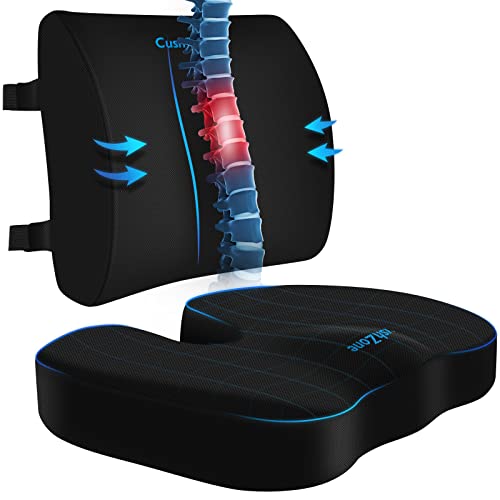
CushZone Seat Cushion and Lumbar Support Pillow for Office Chair, Black
- Ergonomic Dimensions for Comfort: Sized for most users with ergonomic design
- High-Quality Materials: Made of durable fabric with quality zippers
- Non-Slip and Adjustable Fit: Non-slip bottom and adjustable straps for stability
As an affiliate, we earn on qualifying purchases.
Simple Leg Lifts to Boost Circulation

Performing simple leg lifts with proper technique can effectively boost your circulation during work hours. When done correctly, these lifts improve blood flow and reduce fatigue. Consistently practicing them helps you stay energized and supports your overall wellness.
Proper Leg Lift Technique
Simple leg lifts are an effective way to improve circulation while working at your desk. To do them properly, sit upright with your back straight and engage your core. Lift one leg slowly, keeping your knee stable and your thigh muscles tight. Focus on lifting smoothly without swinging your leg or arching your back. Lower your leg with control, then repeat with the other leg. This technique strengthens your thighs and enhances knee stability, reducing fatigue and discomfort. Keep your movements deliberate, avoiding jerky motions. Consistently practicing proper form boosts circulation and promotes muscle engagement. Remember to breathe steadily, and don’t forget to switch legs regularly to maintain balance and effectiveness. Proper leg lift technique guarantees you get maximum benefits without risking strain or injury. Incorporating low-carb movement exercises like these can further support your overall health and energy levels during the workday.
Benefits of Circulatory Boost
Incorporating leg lifts into your routine can substantially enhance circulation, especially during long hours at your desk. Improved blood flow is vital for maintaining circulatory health, reducing fatigue, and preventing discomfort. Simple leg lifts activate leg muscles, promoting blood flow enhancement and preventing blood from pooling in your lower extremities. This boost in circulation helps deliver oxygen and nutrients more efficiently throughout your body, supporting overall energy and alertness. Regularly performing these exercises can also reduce the risk of issues like varicose veins and swelling. By integrating quick leg lifts into your workday, you keep your circulatory system active and healthy. This small movement has a significant impact, making your work hours more comfortable and contributing to long-term circulatory well-being.
Tips for Consistent Practice
To stay consistent with leg lifts, set aside a few minutes each hour to integrate them into your work routine. Use ergonomic accessories, like a footrest or adjustable chair, to enhance comfort and maintain proper posture during exercises. Establish a habit by pairing leg lifts with your regular office stretch routines or set reminders on your computer or phone. Keep your workspace organized to easily perform the movements without disruption. Consistency is key—aim to do these lifts at the same times daily, such as during breaks or after completing a task. Tracking your progress can boost motivation and help you stay committed. Over time, these simple leg lifts will become a natural part of your workday, improving circulation and reducing fatigue. Incorporating fitness tips from reputable sources can further optimize your routine.
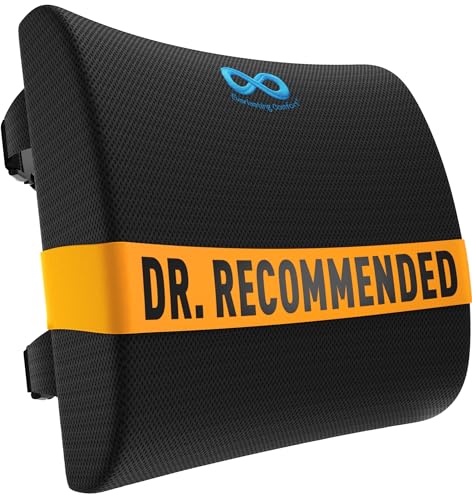
Everlasting Comfort The Original Lumbar Support Pillow for Office Chair - Improves Posture, Promotes Back Pain Relief - Superior Back Support for Gaming and Desk Chairs - Lumbar Pillow for Car, Couch
- High-Density Memory Foam: Provides firm, long-lasting support
- Supports Natural Spine Curve: Encourages better posture and reduces slouching
- Versatile Use: Suitable for office, car, couch, and gaming chairs
As an affiliate, we earn on qualifying purchases.
Seated Marching to Increase Movement

Even during long periods of sitting, you can boost your movement by practicing seated marching. This simple activity helps counteract the effects of poor desk ergonomics and keeps your muscles active. Sit upright with your feet flat on the floor, then lift your knees one at a time in a marching motion. Focus on engaging your core and maintaining good posture. Seated marching increases circulation and helps break up extended sitting periods. It also encourages workplace stretching, which can relieve tension in your legs and hips. Incorporate this movement regularly to enhance alertness and reduce stiffness. Recognizing the signs of narcissism can help you better understand your interactions with others and set healthy boundaries. Remember, small, consistent efforts like seated marching can markedly improve your overall comfort and productivity while working at your desk.
Under-Desk Glute Squeezes for Lower Body Engagement

To get the most out of under-desk glute squeezes, focus on proper technique by squeezing your glutes firmly and holding briefly. Engaging your lower body regularly can boost muscle activation and improve posture throughout your workday. Incorporating these simple squeezes offers notable benefits, including increased strength and reduced discomfort. Additionally, understanding proper asset division strategies can help you better manage your finances and health during transitions.
Proper Technique Tips
When performing under-desk glute squeezes, focus on engaging your muscles with controlled, deliberate movements. Proper technique guarantees effectiveness and reduces strain. Start by adjusting your ergonomic setup and office furniture to support correct posture. Then, follow these tips:
- Sit with your feet flat on the floor and knees at a 90-degree angle.
- Keep your back straight, engaging your core to support proper alignment.
- Squeeze your glutes firmly, aiming for a strong but comfortable contraction.
- Hold the squeeze for 3-5 seconds, then relax slowly before repeating.
- Incorporate movement variety to prevent muscle fatigue and enhance engagement.
Avoid rushing through the movement or letting your pelvis tilt. Consistent, mindful engagement maximizes benefits and prevents discomfort. Regularly reassess your ergonomic adjustments to maintain proper form during these exercises.
Benefits of Glute Engagement
Engaging your glutes through under-desk squeezes offers a range of benefits that extend beyond simple muscle activation. By consistently activating your glutes, you help strengthen these muscles, which play a vital role in supporting your lower back and hips. This can lead to improved posture, reducing the likelihood of slouching or discomfort during long work hours. Glute activation also promotes better pelvic alignment, helping you maintain a more upright and balanced sitting position. Over time, these small but regular squeezes can enhance circulation in your lower body and reduce stiffness. Incorporating this simple exercise into your routine keeps your glutes engaged and actively contributes to overall postural health, making your workday more comfortable and less tiring. Additionally, regular activation of the glutes can support the stabilization of the pelvis, which is essential for maintaining proper sound alignment and preventing strain.
Ankle Rotations to Improve Flexibility

Ankle rotations are a simple yet effective way to boost flexibility while working at your desk. They help improve ankle flexibility and enhance joint mobility, reducing stiffness from long periods of sitting. To do the exercise:
- Sit upright with your feet flat on the floor.
- Lift one foot slightly off the ground.
- Rotate your ankle clockwise 10 times.
- Switch to counterclockwise rotations, 10 times.
Repeat with the other foot. This simple movement loosens tight muscles and improves circulation, making it easier to move comfortably. Regular ankle rotations can prevent stiffness and joint discomfort, especially during extended work hours. Incorporating these rotations into your routine helps maintain healthy ankle flexibility and overall joint mobility, supporting better movement and reducing the risk of injury. Proper technique ensures you get the most benefit and avoid strain during these exercises.
Seated Torso Twists for Core Activation

To get the most benefit from seated torso twists, focus on proper technique to avoid strain and maximize engagement. Keep your movements controlled and engage your core muscles throughout each turn. Always be mindful of safety and stop if you feel any discomfort or pain.
Proper Twist Technique
When performing seated torso twists, maintaining proper technique is essential to effectively activate your core and prevent injury. Focus on twist stability and maintaining a correct rotational posture for maximum benefits. Here’s how:
- Sit upright with feet flat on the floor, keeping your spine neutral.
- Place your hands lightly behind your head or across your chest, avoiding pulling on your neck.
- Engage your core and rotate slowly from the waist, keeping your hips stable.
- Maintain a controlled motion, avoiding excessive twisting or losing posture alignment.
- Remember to observe safe movement practices to prevent strain or injury during your exercise.
Engaging Core Muscles
Engaging your core muscles during seated torso twists is key to maximizing their benefits and protecting your spine. By actively contracting your abdominal muscles, you enhance core stability, which supports proper posture and reduces strain. Focus on pulling your navel toward your spine as you twist, avoiding excess movement in your lower back. This engagement not only improves core stability but also boosts abdominal endurance over time. Keep your movements controlled and deliberate, emphasizing muscle activation rather than speed. As you twist, breathe steadily and maintain a tall, upright posture. Regular practice of mindful movement awareness during exercises like seated torso twists can further enhance your physical and mental well-being. Consistently engaging your core muscles during this exercise helps develop stronger, more resilient abdominal muscles, making everyday movements easier and supporting your overall back health.
Safety and Precautions
While seated torso twists are generally safe, it’s important to listen to your body and avoid pushing into pain or discomfort. To stay safe, ensure your workspace layout allows for proper movement and that your ergonomic equipment supports good posture. Here are some precautions:
- Use an ergonomic chair with lumbar support to prevent strain.
- Keep your feet flat on the floor and maintain a neutral spine during twists.
- Perform slow, controlled movements to avoid overstretching.
- Adjust your workspace layout so that twisting doesn’t strain your neck or shoulders.
- Being aware of grocery store hours can help you plan your shopping trips around your exercise routine, preventing unnecessary rush or stress.
Always stop if you experience pain, and consider consulting a professional to optimize your ergonomic setup. Prioritizing safety helps you enjoy the benefits of core activation without risking injury.
Stretching Your Calves and Hamstrings at Your Desk

Have you ever noticed how tight your calves and hamstrings can get after hours at your desk? Stretching these muscles can improve calf stretches and boost hamstring mobility, reducing discomfort and preventing stiffness. Simple seated or standing stretches are effective. For example, try gently extending one leg forward, flexing your foot to stretch your calves, or hinge at your hips to reach toward your toes, targeting your hamstrings. To motivate you, here’s a quick overview:
| Stretch Type | Target Area | Benefits |
|---|---|---|
| Calf Stretch | Calves | Improves circulation |
| Hamstring Stretch | Hamstrings | Enhances flexibility |
| Seated Stretch | Both muscles | Reduces desk-related pain |
| Standing Stretch | Calves & hamstrings | Boosts mobility |
| Dynamic Stretch | Both muscles | Prepares muscles for activity |
Tips for Staying Consistent With Under-Desk Movements

Staying consistent with under-desk movements can be challenging, but establishing simple routines makes it easier to incorporate these exercises into your daily schedule. Focus on optimizing your ergonomic adjustments and desk setup to support regular movement. To stay on track:
- Set reminders or alarms to prompt movement every hour.
- Keep a dedicated space under your desk for exercises, making it easily accessible.
- Track your progress with a checklist to motivate consistency.
- Adjust your desk setup to allow comfortable, unobstructed movements without compromising ergonomics.
- Incorporate ergonomic considerations into your routine to ensure your movements support overall health and comfort.
Combining Under-Desk Exercises With Your Daily Routine

Integrating under-desk exercises into your daily routine can substantially boost your activity levels without disrupting your work flow. To do this effectively, use ergonomic accessories like foot pedals or balance boards, which make movement more comfortable. Adjust your desk height to ensure proper posture and easy movement during exercises. Incorporate short bursts of activity, such as leg lifts or seated marches, between tasks. Consistency is key—set reminders or schedule mini-exercise sessions. Here’s a simple guide:
| Activity | When to Do It | Benefits |
|---|---|---|
| Leg lifts | During meetings | Improves circulation |
| Seated marches | When taking a break | Strengthens core, boosts energy |
| Ankle rotations | While reading emails | Reduces stiffness |
| Stretching with ergonomic accessories | End of day | Relieves tension |
Mix these into your routine for a healthier, more active workday. Additionally, choosing energy-efficient options for your workspace equipment can help reduce overall fatigue and support your active lifestyle.
Frequently Asked Questions
How Often Should I Perform Under-Desk Exercises During My Workday?
You should aim to perform under-desk exercises every hour during your workday. Doing so offers ergonomic benefits by reducing strain and promoting better posture, while also boosting your mental health through increased movement. Short, frequent sessions help you stay energized and focused without disrupting your workflow. Just a few minutes each hour can make a significant difference, keeping you comfortable and alert throughout the day.
Are There Any Safety Precautions to Consider When Exercising at My Desk?
When exercising at your desk, you should prioritize safety by ensuring your ergonomic setup supports your movements and reduces strain. Always wear proper footwear to prevent slips or discomfort. Keep your workspace clear of obstacles, maintain good posture, and avoid overstretching. If you feel pain or dizziness, stop immediately. These precautions help you stay safe while staying active and making the most of your under-desk exercises.
Can Under-Desk Exercises Help Reduce Long-Term Health Risks?
Under-desk exercises can considerably reduce long-term health risks, offering ergonomic benefits by easing muscle tension and improving posture. They also boost mental health by promoting circulation and reducing stress. By regularly incorporating simple movements, you lessen the likelihood of chronic issues like back pain and fatigue. Staying active at your desk helps you stay healthier, happier, and more energized throughout your workday.
What Are Some Signs I Should Stop Exercising at My Workspace?
If you notice discomfort, pain, or fatigue during your workspace exercises, it’s time to stop. Poor posture adjustments can worsen strain, so pay attention to signs like back or neck pain. Also, if your mental alertness drops or you feel dizzy, pause immediately. Prioritize comfort and safety, and make sure your movements support good posture to maintain focus and avoid injury while staying active.
How Can I Incorporate Under-Desk Moves Into a Busy Work Schedule?
Think of your workspace as a dance floor—you can move without missing a beat. To fit under-desk moves into your busy schedule, make ergonomic adjustments for comfort and proper desk setup. Schedule quick, 2-minute breaks every hour to perform simple exercises like leg lifts or seated marches. These little steps keep you active without disrupting your flow, turning your workday into a rhythm of movement and productivity.
Conclusion
Staying active at work doesn’t have to be complicated. Incorporate these simple under-desk exercises into your daily routine and notice how your energy and focus improve. Why sit all day when you can move gently and boost your wellness right at your desk? Small movements add up, making a big difference in your overall health. So, are you ready to stay active and feel better every workday?