To create a quick stretch routine between meetings, start by adjusting your workspace for comfort, ensuring your chair and monitor are properly positioned. Then, incorporate breathing exercises, deep inhales to relax your nervous system. Follow with neck tilts, shoulder rolls, and gentle spinal twists to ease tension. Don’t forget wrist and hand stretches to reduce strain. Keep each movement brief—just a minute or two—and you’ll boost your focus and comfort. If you continue exploring, you’ll discover even more effective stretches to stay energized.
Key Takeaways
- Incorporate simple neck and shoulder rolls to relieve tension quickly.
- Perform seated spinal twists and gentle forward bends to improve mobility.
- Use deep breathing exercises to relax and reset your focus between meetings.
- Stretch arms overhead and interlace fingers to counteract prolonged sitting effects.
- Keep your movements brief, targeted, and consistent to maintain comfort and productivity.

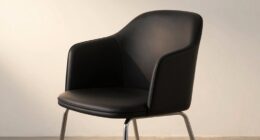
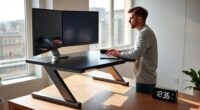
Between back-to-back meetings, taking a few minutes to stretch can boost your focus and reduce tension. It’s a simple way to reset your body and mind, especially when you’re stuck sitting at your desk for hours. To make these mini-breaks effective, it helps to pay attention to your desk ergonomics. Adjust your chair so your feet are flat on the ground, your hips are level with your knees, and your monitor is at eye level. Proper desk ergonomics prevent strain and make stretching easier without risking injury. Once your setup feels right, you can incorporate quick stretching routines that target common areas of tension.
Optimize your workspace for comfort and prevent strain with proper ergonomic adjustments.
Start with deep breathing exercises to center yourself. Inhale slowly through your nose, filling your lungs completely, then exhale through your mouth. Repeat this a few times to lower your heart rate and clear your mind. Deep breathing not only relaxes your nervous system but also increases oxygen flow, preparing you for movement. After a few breaths, gently stretch your neck by tilting your head side to side and forward and back. This relieves neck tension caused by poor posture during meetings.
Next, focus on your shoulders. Roll them forward and backward in slow circles, easing out any stiffness. Then, stretch your arms overhead, interlacing your fingers and reaching upward. Hold for a few seconds, feeling the stretch along your sides and shoulders. If your workspace allows, do a quick chest opener by clasping your hands behind your back and lifting them slightly, opening up your chest and counteracting hunching over your laptop.
Don’t forget your wrists and hands. Extend one arm in front of you, with your palm facing down, and gently pull your fingers back with your other hand. Switch sides. This helps prevent repetitive strain injuries and keeps your hands nimble for typing. If space permits, perform a seated spinal twist by sitting upright, placing your right hand on your left knee, and gently twisting your torso to the left. Hold for a few seconds, then switch sides. This movement relieves lower back tension and improves spinal mobility.
Incorporating these quick stretches and breathing exercises into your routine between meetings can make a big difference in how you feel. Not only do they counteract the negative effects of prolonged sitting and screen time, but they also sharpen your focus and boost your energy. Being aware of your ergonomics during these breaks ensures that your stretching is safe and effective. Remember, the key is consistency—make these mini-breaks a regular part of your workday, and you’ll notice improvements in comfort, productivity, and overall well-being.

Marsail Ergonomic Office Chair: Office Desk Chair with High Back Mesh and Adjustable Lumbar Support Rolling Work Swivel Task Chairs with Wheel 3D Armrests and Headrest
Fully Adjustable Office Chair: Customized chairs, featuring with an adjustable 2D headrest, backrest with 90° to 120° recline,…
As an affiliate, we earn on qualifying purchases.
As an affiliate, we earn on qualifying purchases.
Frequently Asked Questions
Can Stretching Improve Focus During Meetings?
Stretching can definitely improve focus during meetings. When you incorporate quick stretches, you enhance ergonomics benefits, reducing muscle tension and discomfort. This helps clear your mind, boosting mental clarity and concentration. By taking just a minute to stretch, you reset your posture and increase blood flow, making it easier to stay attentive. Regular stretching not only supports physical comfort but also sharpens your mental focus, so you can participate more effectively.
What Stretches Are Best for Desk Workers?
They say, “A healthy mind resides in a healthy body.” As a desk worker, you should focus on stretches that promote ergonomic adjustments and posture correction. Try neck rolls, shoulder shrugs, and seated spinal twists to relieve tension. These quick stretches help prevent strain, boost circulation, and keep you alert. Incorporate them regularly to maintain comfort and productivity throughout your day.
How Long Should Each Stretch Last?
For effective stretch timing, aim for each stretch to last about 15-30 seconds, following general duration guidelines. You should hold each stretch comfortably without pain, repeating if needed. This guarantees your muscles get enough relief without causing fatigue. Keep your movements controlled and breathe deeply. Incorporate these duration guidelines into your routine, allowing you to refresh quickly between meetings and maintain muscle flexibility throughout your workday.
Are There Any Stretches to Avoid?
Imagine starring in a slapstick comedy where stretches go hilariously wrong—like neck rolls that twist into knots. To avoid that, skip stretches that strain your joints or cause pain. Focus on gentle moves for posture correction and injury prevention. Avoid bouncing or overstretching, especially if you have pre-existing issues. Keep it simple, safe, and effective, and your body will thank you after every meeting.
How Often Should I Stretch Between Meetings?
You should stretch between meetings whenever you notice tension or discomfort, ideally every 30 minutes to maintain ergonomic posture and support office ergonomics. Short, quick stretches help prevent stiffness and promote circulation. By regularly incorporating these stretches, you keep your muscles engaged and reduce strain, ensuring you stay comfortable and focused. Make it a habit to stretch frequently, especially during long days at your desk.

GORILLA GRIP Silky Memory Foam Wrist Rest for Computer Keyboard, Mouse, Ergonomic Design for Typing Pain Relief, Desk Pads Support Hand and Arm, Mousepad Rests, Stain Resistant, 2 Piece Pad, Black
ULTRA THICK MEMORY FOAM: experience more comfort while you work; thickest memory foam interior of the wrist rest…
As an affiliate, we earn on qualifying purchases.
As an affiliate, we earn on qualifying purchases.
Conclusion
In just a few minutes, you can refresh your body and boost your focus between meetings. Even if you’re short on time, these simple stretches make a big difference. Don’t worry about looking silly—your well-being is worth it. Just take a moment to breathe, stretch, and reset. Incorporate these quick moves regularly, and you’ll feel more energized and ready to tackle your next task with ease. Your body will thank you!

Nzwnxdtq Figure 8 Resistance Band With Handles, Elastic Bands for Working Out,Arm,Back,Shoulder Training Elastic Ropes,Exercise Equipment for Yoga, Pilates,Physical Therapy Stretching (3 Color)
Upgraded Resistance Band: The product is made of thermoplastic elastomer, which has excellent elasticity, strong tensile strength and…
As an affiliate, we earn on qualifying purchases.
As an affiliate, we earn on qualifying purchases.

YBEATY 10 Pcs Pen Grippers Holder for Handwriting Writing Posture Correction Training Tools for Adults Beginners Preschooler Special Education Supplies Silicone
【Ergonomic Design】Our pencil grippers for handwriting are made of soft, high-quality silicone, the pencil holder provides a comfortable…
As an affiliate, we earn on qualifying purchases.
As an affiliate, we earn on qualifying purchases.