
To loosen tight shoulders at your desk, try shoulder rolls by lifting your shoulders toward your ears, then rolling back and down. Cross your arm across your chest and gently pull it towards your body for a stretch, holding each side for 15-20 seconds. You can also do doorway stretches by placing your arms at 90° and stepping forward to open your chest. Keep practicing these moves and learn more ways to ease shoulder tension.
Key Takeaways
- Perform shoulder rolls: lift shoulders toward ears, roll back and down, for 10 repetitions to release tension.
- Use cross-body shoulder stretches: pull one arm across your chest, hold for 15-20 seconds, then switch sides.
- Do doorway stretches: place arms at 90°, step forward to stretch chest and shoulders, hold for 20-30 seconds.
- Incorporate shoulder blade squeezes: pinch shoulder blades together and hold for a few seconds to improve posture.
- Take regular short breaks to stretch and reset posture, preventing shoulder tightness from prolonged sitting.

If you spend long hours at your desk, tight shoulders can become a common discomfort. Over time, poor posture can lead to muscle stiffness and soreness, making it harder to focus and causing unnecessary fatigue. The good news is that you can combat this by incorporating simple stretches into your routine, especially those that target shoulder tension. To get the most out of these stretches, it’s essential to focus on posture correction and use ergonomic tools that support proper alignment. Small adjustments in your workspace can considerably reduce strain, making stretching even more effective.
Start by sitting upright with your back supported by your chair, feet flat on the ground, and your shoulders relaxed. This proper posture is key to preventing further tightness. Using ergonomic tools like a supportive chair or an adjustable monitor stand can promote better alignment and reduce the tendency to slouch, which often contributes to shoulder stiffness. Once your workspace promotes good posture, you’re ready to stretch effectively.
Sit upright with back support, feet flat, shoulders relaxed, and use ergonomic tools to maintain proper posture.
One of the simplest stretches involves shoulder rolls. Sit or stand with your arms relaxed at your sides. Slowly lift your shoulders toward your ears, hold for a second, then roll them back and down. Repeat this motion 10 times in a smooth, controlled manner. This helps release built-up tension and encourages better posture, reducing the strain on your shoulder muscles. Another effective stretch is the cross-body shoulder stretch. Bring one arm across your chest, keeping it straight, and use your opposite hand to gently pull the arm closer to your chest. Hold for about 15-20 seconds, then switch sides. This stretch targets the posterior shoulder muscles and relieves tightness caused by prolonged desk work.
You can also try the doorway stretch to open up the chest and shoulders. Stand in a doorway with your arms bent at 90 degrees and forearms resting on the doorframe. Step forward slowly, feeling the stretch across your chest and shoulders. Hold for 20-30 seconds, then step back. This stretch not only loosens shoulder muscles but also encourages better posture correction by counteracting the hunched position many adopt while working. Incorporating ergonomic solutions into your workspace can further enhance posture support and minimize discomfort.
In addition to these stretches, incorporating regular breaks and adjusting your ergonomic setup can make a big difference. Use ergonomic tools like lumbar supports, keyboard trays, and monitor risers to maintain a healthy alignment. Taking short breaks every hour to stretch and reset your posture can prevent shoulder tightness from worsening. Remember, consistency is key. When you combine proper ergonomics with targeted stretches, you’ll notice your shoulders loosen up, and discomfort diminishes, making your workday more comfortable and productive.
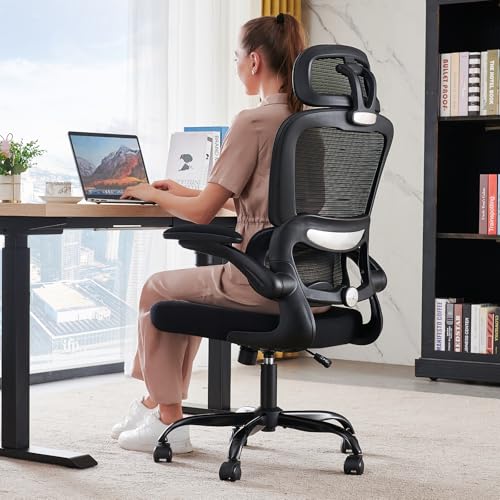
TRALT Office Chair Ergonomic Desk Chair, 330 LBS Home Mesh Office Desk Chairs with Wheels, Comfortable Gaming Chairs (Black)
Ergonomic Office Chair: Experience unparalleled support with our ergonomic office chair, designed to provide comprehensive assistance for your…
As an affiliate, we earn on qualifying purchases.
As an affiliate, we earn on qualifying purchases.
Frequently Asked Questions
How Often Should I Perform Shoulder Stretches During Work Hours?
You should perform your stretching routine every 1 to 2 hours during work hours, following the frequency guidelines for shoulder stretches. Taking short breaks to stretch helps prevent stiffness and relieves tension. Aim for about 2-5 minutes each session, ensuring you don’t overdo it. Consistent stretching throughout the day keeps your shoulders flexible, reduces discomfort, and promotes better posture, making your workday more comfortable and productive.
Are There Any Precautions for Shoulder Stretches if I Have Shoulder Injuries?
If you have shoulder injuries, you should follow shoulder injury precautions and safe stretching guidelines carefully. Avoid overstretching or movements that cause pain, and listen to your body. Consult with a healthcare professional before starting any new stretches, especially if you’re unsure about your injury. Focus on gentle, controlled movements, and stop immediately if you experience discomfort to prevent further injury.
Can Stretching Improve Shoulder Posture Long-Term?
Stretching can definitely improve your shoulder posture long-term by promoting better posture correction and increasing muscle flexibility. When you regularly stretch, you help release tight muscles that pull your shoulders forward, encouraging proper alignment. Consistent stretching also strengthens the muscles supporting your shoulders, reducing the risk of future issues. Just remember to stretch gently and listen to your body to avoid overstretching or injury.
What Signs Indicate I Should Stop Stretching and See a Doctor?
You might want to gently heed a pain warning if your stretching efforts cause persistent discomfort or sharp pain. Injury signs, like swelling, numbness, or weakness, suggest you should stop immediately. If stretching worsens your symptoms or if you experience unusual sensations, it’s wise to consult a healthcare professional. Listening to your body helps prevent further injury and ensures safe, effective relief for your shoulders.
Are There Stretches Suitable for Office Workers With Limited Space?
If you’re looking for desk-friendly stretches, you’ll find many space-saving exercises perfect for limited office space. Try shoulder rolls, neck stretches, or seated twists—these require minimal room and help loosen tight shoulders. Keep movements gentle, and avoid overstretching. These stretches are easy to incorporate into your day, helping reduce tension without needing extra space or equipment. Always listen to your body and stop if you experience discomfort.

WALI Computer Monitor Stand for Desk, Adjustable Laptop Riser, Desk Monitor Stand Underneath Storage for Office, Home, School Supplies (STT003), 1 Pack, Black
Design: The monitor stand for the desk has a large 14.6 x 9.3 inches metal shelf that fits…
As an affiliate, we earn on qualifying purchases.
As an affiliate, we earn on qualifying purchases.
Conclusion
Now, imagine your shoulders finally releasing, tension melting away as you sit back and breathe freely. With these simple stretches, you’re not just easing tightness—you’re reclaiming comfort in your busy day. But what if the real transformation begins when you make these moves a daily habit? The moment you feel that newfound freedom, you’ll realize it’s just the beginning of a more relaxed, energized you—waiting to be opened with every stretch.

RENRANRING Figure 8 Fitness Resistance Bands with Handles – Exercise Tube Band Set of 3 for Arm and Shoulder Stretch, Rope 8 Word Elastic for Women and Men
THE FIGURE OF 8 PROVIDES EFFECTIVE STRENGTH TRAINING : arms, back, shoulders, legs and hips are exercised at…
As an affiliate, we earn on qualifying purchases.
As an affiliate, we earn on qualifying purchases.

Back Brace Posture Corrector for Women and Men, 4-Point Back Support System for Upper/Lower Back Pain Relief, Scoliosis & Hunchback Correction, Adjustable & Breathable Shoulder Straightener, Medium
5-in-1 Scientific Support System: The posture corrector for women four highly elastic and flexible support strips precisely conform…
As an affiliate, we earn on qualifying purchases.
As an affiliate, we earn on qualifying purchases.