To keep your home office comfortable, use a smart thermostat to learn your schedule and automatically adjust the temperature. Insulate your windows with thermal curtains or weatherstripping to prevent heat loss or gain. Manage sunlight by using reflective films or blackout curtains to avoid overheating. Regularly check and tweak these settings to adapt to changing weather. For more effective tips, explore how combining these strategies can create a consistently cozy workspace.
Key Takeaways
- Install a smart thermostat to learn your schedule and automatically optimize temperature settings.
- Use window insulation films or thermal curtains to prevent heat loss or gain.
- Manage sunlight with reflective films or blackout curtains to control room temperature fluctuations.
- Seal gaps around windows with weatherstripping to prevent drafts and maintain consistent indoor warmth or coolness.
- Incorporate targeted heating or cooling devices for precise temperature control in your home office.

Creating a comfortable home office starts with managing the temperature effectively. When your environment feels just right, you stay focused and productive without the distraction of being too hot or cold. One of the easiest ways to achieve this is by investing in a smart thermostat. Unlike traditional models, a smart thermostat learns your schedule and adjusts the temperature accordingly, guaranteeing your workspace remains comfortable throughout the day. You can even control it remotely via your smartphone, so if you notice the room getting too warm or cool, you can make quick adjustments without leaving your desk. This not only enhances comfort but also saves energy, reducing your utility bills over time.
A smart thermostat keeps your home office comfortable and energy-efficient all day long.
Another vital factor in maintaining a consistent temperature is proper window insulation. During colder months, uninsulated windows can let heat escape, making your home office chilly and uncomfortable. Conversely, in summer, heat can seep in, creating a stifling environment. Adding window insulation film or thermal curtains helps block drafts and reduces heat transfer. These simple upgrades make a noticeable difference in how stable your room temperature feels, especially if your windows are older or single-pane. When combined with a smart thermostat, window insulation ensures your heating and cooling systems work more efficiently, maintaining a steady, comfortable temperature with less effort.
To maximize your efforts, consider the placement of your windows and how natural light influences the room’s temperature. South-facing windows can bring in warmth during winter, but they might also cause overheating in summer. Using reflective window films or blackout curtains can help control the temperature swings caused by sunlight. Also, sealing gaps around window frames with weatherstripping prevents drafts that undermine your heating and cooling efforts. These small but impactful steps create a more stable environment, allowing your smart thermostat to do its job effectively without constantly battling drafts or direct sunlight.
Finally, making your home office a comfortable temperature isn’t just about equipment and insulation; it’s about creating a space where you feel at ease. Regularly checking and adjusting your window insulation and thermostat settings guarantees that your environment adapts to changing weather conditions. Incorporating specialized home climate solutions such as targeted heating or cooling devices designed for home offices can further optimize comfort. When you combine these strategies, you’ll notice fewer temperature fluctuations, fewer distractions, and a more inviting workspace. Staying comfortable in your home office isn’t complicated—it’s about smartly managing your environment with the right tools and upgrades, so you can focus on your work without the nuisance of temperature discomfort.

Sensi Smart Thermostat, Wi-Fi, DIY, Alexa, Energy Star Certified, ST55
- Privacy Protection: Does not sell personal information
- Easy DIY Installation: Includes level and step-by-step app guide
- Wide Compatibility: Works with most HVAC systems
As an affiliate, we earn on qualifying purchases.
As an affiliate, we earn on qualifying purchases.
Frequently Asked Questions
How Can I Reduce Noise Distractions From Temperature Control Devices?
To reduce noise distractions from temperature control devices, consider strategic device placement away from your workspace. Use soundproofing solutions like acoustic panels or draft stoppers to dampen noise. You might also install weatherstripping around vents or fans to minimize sound travel. Adjusting your devices or creating barriers can help keep noise levels down, ensuring a quieter, more focused home office environment.
Are There Eco-Friendly Options for Maintaining a Comfortable Home Office Temperature?
Imagine a gentle breeze on a warm day; eco-friendly options can bring that comfort to your home office. You can use solar cooling systems that harness sunlight to reduce cooling energy, or passive heating techniques like strategic window placement and insulation to keep your space warm naturally. These sustainable methods not only lower your carbon footprint but also create a cozy, energy-efficient environment for your workday.
What Are the Best Portable Devices for Temperature Regulation in Small Spaces?
You can improve your small space’s comfort with portable heaters and compact fans. Portable heaters quickly warm up chilly areas without the need for permanent installation, making them ideal for small rooms. Compact fans efficiently circulate air, helping you stay cool during warmer days. Both devices are easy to move and adjust, giving you control over your environment without clutter or noise, ensuring a cozy and comfortable home office.
How Does Humidity Affect Comfort Levels Alongside Temperature?
Humidity acts like an invisible hand, shaping your comfort levels alongside temperature. When humidity is too high, it can make the air feel sticky, causing discomfort and fatigue. Conversely, low humidity dries out your skin and nasal passages. Striking the right humidity balance is essential for comfort optimization, helping you feel cooler or warmer as needed. Adjusting a humidifier or dehumidifier can fine-tune your environment for maximum comfort.
Can Smart Thermostats Improve Energy Efficiency in a Home Office?
Smart thermostat benefits include better energy efficiency, which helps you save money on your energy bills. By automatically adjusting your home’s temperature based on your schedule and preferences, a smart thermostat guarantees your home office stays comfortable without wasting energy. With features like remote control and learning capabilities, you can optimize your climate, reduce energy consumption, and enjoy a more efficient, cost-effective workspace every day.
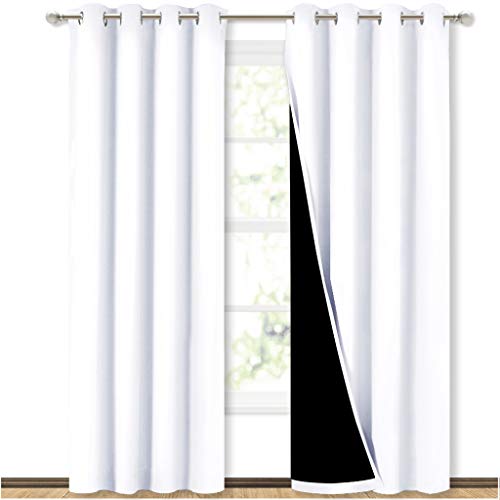
NICETOWN 100% Blackout Window Curtain Panels, Cold and Full Light Blocking Drapes with Black Liner for Nursery, 84 inches Drop Thermal Insulated Draperies (White, 2 Pieces, 52 Wide Each Panel)
- Package Includes: 2 panels, 52 inches wide each
- Size: 84 inches long, total 104 inches wide
- Elegant Design: Silver grommets for easy sliding
As an affiliate, we earn on qualifying purchases.
As an affiliate, we earn on qualifying purchases.
Conclusion
Remember, a stitch in time saves nine. By applying these simple temperature control tips, you can create a cozy, productive home office environment all year round. Keep your space comfortable, and you’ll stay focused and energized throughout your workday. Don’t wait until discomfort disrupts your routine—take proactive steps now. Your ideal home office is within reach, so stay mindful of the temperature, and enjoy a more pleasant working experience every day.

Duck MAX Strength Window Insulation Kit, Winter Window Seal Kit Fits up to 5 Windows, Heavy Duty Shrink Film Cuts to Size for Easy Indoor Installation, Window Tape Included,62 In. x 210 In., Clear
- Energy Saving Insulation: Reduces energy costs in winter
- Heavy Duty Shrink Film: Puncture-resistant, twice as thick
- Easy Installation: No measuring, cut to fit
As an affiliate, we earn on qualifying purchases.
As an affiliate, we earn on qualifying purchases.

118” Wedge-Shape Foam Window Weather Stripping Door Seal Strip,Soundproofing Frame Winter Insulation Tape for Exterior Front Door,Noise Cancelling Window Inserts,Door Gap Filler Light Blocker,White
- Upgraded Wedge Design: This window draft stopper features…
- Nylon Cloth&PU Foam: Window sound proofing seal outside…
- Widely Used: Wedge-shaped design of the door…
As an affiliate, we earn on qualifying purchases.
As an affiliate, we earn on qualifying purchases.