To stay active at work, incorporate small movements and ergonomic tweaks into your routine. Adjust your chair, monitor, and keyboard for proper alignment, and keep your feet flat on the floor. Take brief breaks every hour to stretch your shoulders, neck, and wrists. Use timers or apps to prompt movement, and maintain good posture throughout the day. These simple actions can boost your comfort and health—keep going to discover more easy tips to stay active.
Key Takeaways
- Incorporate hourly stretching routines like shoulder rolls and neck tilts to release muscle tension.
- Take short breaks to stand, walk, or perform desk stretches, promoting circulation and reducing stiffness.
- Use timers or apps to remind yourself to move regularly throughout the workday.
- Adjust your chair, monitor, and keyboard for proper ergonomic alignment to prevent discomfort.
- Integrate purposeful movements into daily tasks to foster better posture and overall well-being.

Have you ever felt sluggish sitting at your desk all day? It’s a common experience, especially when you’re caught up in back-to-back tasks. Staying active at work doesn’t mean you need to overhaul your entire day; small, intentional moves can make a big difference. One effective way to combat the strain of prolonged sitting is by practicing ergonomic sitting. This involves adjusting your chair, monitor, and keyboard so your body maintains proper alignment. When you sit ergonomically, you reduce unnecessary muscle tension and prevent discomfort or long-term injuries. Keep your feet flat on the floor, knees at a 90-degree angle, and your lower back supported. Proper posture isn’t just about comfort; it’s about maintaining blood flow and reducing fatigue, so you stay alert longer.
In addition to ergonomic sitting, incorporating stretching routines throughout your day can markedly boost your energy levels and flexibility. Stretching helps release muscle tightness caused by static positions and stimulates circulation. Simple stretches like shoulder rolls, neck tilts, or wrist stretches can be done at your desk without disrupting your workflow. For instance, every hour, take a minute to stretch your arms overhead or twist your torso gently to the side. These small movements can alleviate built-up tension and improve your posture, making it easier to focus. Stretching routines are particularly beneficial because they break the cycle of stiffness and fatigue, helping you feel more refreshed and less prone to discomfort. Incorporating proper equipment maintenance like regular filter replacements can also support overall well-being by ensuring your workspace stays efficient and safe.
Making these practices a regular part of your workday is easier than you might think. Set reminders to adjust your chair and workspace to support ergonomic sitting. Schedule brief stretching routines every hour or so—use a timer or a productivity app to prompt you. Over time, these habits become second nature, transforming your work environment into a space that encourages movement and well-being. Remember, it’s not about dedicating large chunks of time to exercise; it’s about integrating small, purposeful actions into your daily routine. These small moves—correcting your posture and stretching regularly—add up to big benefits. They can help reduce the risk of musculoskeletal problems, improve your focus, and boost your overall energy.
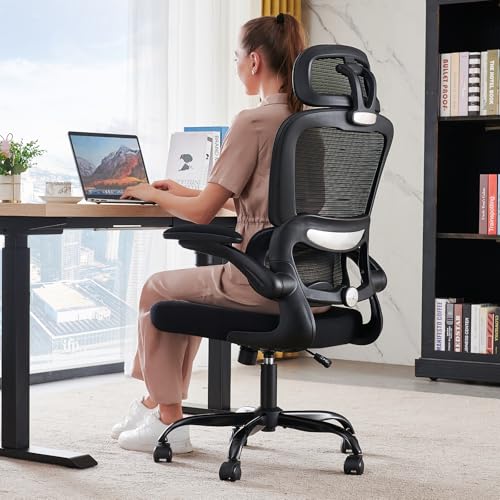
TRALT Office Chair Ergonomic Desk Chair, 330 LBS Home Mesh Office Desk Chairs with Wheels, Comfortable Gaming Chairs (1, Black)
High-Resilience Molded Foam Seat – Won’t Flatten After 1 Year – Instead of budget foam that hardens and…
As an affiliate, we earn on qualifying purchases.
As an affiliate, we earn on qualifying purchases.
Frequently Asked Questions
How Often Should I Take Activity Breaks During Work Hours?
You should aim for a break frequency of every 30 to 60 minutes during work hours. Incorporate activity timing by standing up, stretching, or walking around for about 5 minutes each break. This keeps your blood flowing and prevents stiffness. Remember, consistent activity breaks boost your focus and energy. So, set reminders if needed, and make these small moves part of your daily routine for better health and productivity.
Are There Specific Exercises Suitable for Small Office Spaces?
Yes, you can do office exercise routines suitable for small spaces using compact workout equipment like resistance bands or hand weights. Try seated leg lifts, desk chair dips, or seated torso twists to stay active. These exercises don’t require much room and can easily fit into your workday. Incorporating such routines helps boost circulation and energy, making it easier to stay productive without needing a large workout area.
Can Standing Desks Improve Overall Health at Work?
Imagine giving your health a gentle boost; standing desks can do just that. They offer ergonomic benefits, reducing strain and encouraging better posture, which might prevent discomfort down the line. By alternating between sitting and standing, you promote posture improvement and increase movement throughout your workday. This simple change can lead to substantial health benefits, helping you stay energized and focused while making your workspace more comfortable and supportive.
What Are Quick Stretches to Reduce Wrist and Neck Strain?
To reduce wrist and neck strain, try quick stretches like wrist circles and neck tilts. Use ergonomic accessories like supportive wrist rests and adjustable monitor stands to improve posture correction. Take a few seconds every hour to stretch your wrists by rotating them clockwise and counterclockwise, and gently tilt your head side to side for neck relief. These small, active moves can markedly lessen discomfort and promote better ergonomic habits at work.
How Can I Stay Motivated to Move More Daily?
To stay motivated to move more daily, set simple exercise routines you enjoy and keep them consistent. Use motivational techniques like tracking your progress or rewarding yourself for milestones. Find a workout buddy or join online challenges to stay accountable. Remind yourself of the benefits, like increased energy and reduced stress. Keep it fun and realistic, and you’ll naturally feel more inspired to move every day.

BoYata Monitor Stand, Adjustable Monitor Riser Metal Computer Stand Compatible with TV, PC, Laptop, Computer, iMac, and All Screen Display-Black
Adjustable Height: Unlike the traditional stand, our monitor stand has an adjustment twist knob that can adjust the…
As an affiliate, we earn on qualifying purchases.
As an affiliate, we earn on qualifying purchases.
Conclusion
Remember, every small move you make at work is like planting a seed for better health. When you stand, stretch, or walk, you’re not just breaking the routine — you’re rewriting your story of wellness. Don’t wait for the perfect moment; the present is your canvas. Embrace these tiny steps, for in the grand tapestry of life, it’s the small, consistent stitches that craft a masterpiece of vigor. Your active journey starts now.

Hoewina Keyboard Wrist Rest,Ergonomic Wrist Rest,Superfine Fabric and Gel Memory Foam Wrist Pad for Computer Keyboard for Easy Typing & Pain Relief, Suitable for Office, Family, Outdoor, Black
[WRIST PAD FOR KEYBOARD]: 17.5*3.5 inches keyboard wrist rest and 5.6*3 inches mouse wrist rest making it a…
As an affiliate, we earn on qualifying purchases.
As an affiliate, we earn on qualifying purchases.

Rotating Pomodoro Timer 5, 25, 10 50 Minutes Preset, Desk Productivity Flip Timer, ADHD Tool Cube Countdown Stopwatch, Vibration/High/Low Volume/Custom Modes, for Work, Study, Back to School, Kitchen
A Real Pomodoro Task Timer. The pomodoro technique is a time management method based on 25-minute stretches of…
As an affiliate, we earn on qualifying purchases.
As an affiliate, we earn on qualifying purchases.