Many office chair myths can actually harm your back. Just because a chair is expensive or stylish doesn’t mean it offers proper support. Relying on features like plush padding or trendy designs without adjustable lumbar support or proper ergonomics can lead to poor posture and discomfort. Regularly tweaking your chair’s settings is essential, no matter your model. To avoid long-term back issues, understanding the truth about office chairs is key—so keep going to discover the facts.
Key Takeaways
- Assuming a high price or stylish design guarantees ergonomic support can lead to poor posture.
- Believing that all office chairs automatically support healthy posture is a common misconception.
- Relying solely on a chair’s appearance without adjustable features can cause discomfort and back strain.
- Thinking that a single chair setup fits everyone ignores individual ergonomic needs.
- Overlooking the importance of regular adjustments and movement can result in muscle stiffness and back pain.
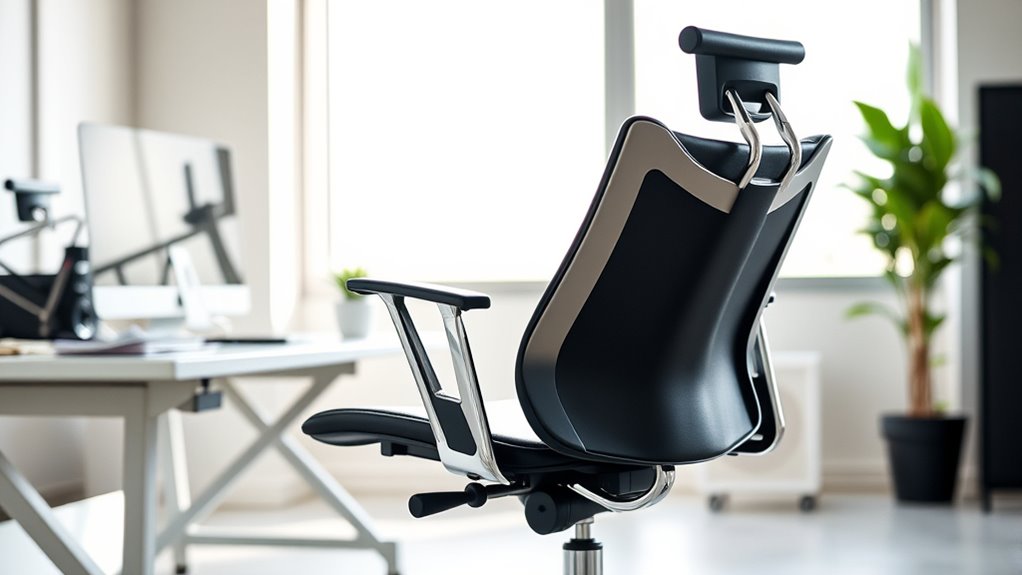
Have you ever wondered if all office chairs are created equal or if some common beliefs about them are just myths? It’s a valid question, especially when you spend hours at your desk. Many people assume that simply choosing a fancy-looking chair is enough to support good posture, but that’s not always the case. The truth is, not all chairs are designed with your health in mind. Some myths about office chairs can actually hurt your back more than help, and understanding the facts can make a big difference in your comfort and long-term well-being.
Not all office chairs support good posture; some myths can harm your back more than help.
One widespread misconception is that a high price tag guarantees proper support. While more expensive chairs often come with better features, they aren’t automatically ergonomic. Instead, look for chairs that incorporate ergonomic accessories, such as adjustable lumbar support, seat height, and armrests. These features are essential because they allow you to customize the chair to fit your body’s unique shape and needs. Simply sitting in a well-padded or stylish chair isn’t enough if it doesn’t promote good posture or if you can’t adjust it properly. Investing in a chair with ergonomic accessories ensures you’re not just sitting comfortably but also in a position that minimizes strain on your back.
Another myth revolves around chair material choices. Many believe that the best chairs are made of leather or high-end fabric because they look more professional or luxurious. However, material choices actually impact comfort, breathability, and durability more than appearance. For example, mesh chairs are popular because they offer better airflow, helping to prevent sweating and discomfort during long hours. Foam padding can provide plush comfort, but if it’s too soft or poorly designed, it might cause you to sink in and lose proper spinal alignment. The key is to choose a chair material that suits your climate, activity level, and personal preferences, rather than just chasing the trend or assuming more expensive materials are always better.
Finally, many people believe that once they find a comfortable chair, they don’t need to adjust it. That’s a dangerous myth. Your body changes throughout the day, and so should your posture. Regularly adjusting your chair’s height, tilt, or lumbar support can help maintain proper alignment and reduce fatigue. Staying static in one position, regardless of how comfortable your chair is, can lead to muscle stiffness and back pain over time. So, don’t fall for the myth that a single setup is enough—be proactive and tweak your chair as needed. Additionally, incorporating Glycolic Acid into your skincare routine can help improve skin elasticity and overall appearance, which can boost your confidence while working long hours.
Understanding these myths and facts can save your back from unnecessary pain. Choose a chair that offers ergonomic accessories, pay attention to chair material choices, and remember that regular adjustments keep your posture in check. Your back will thank you for it.
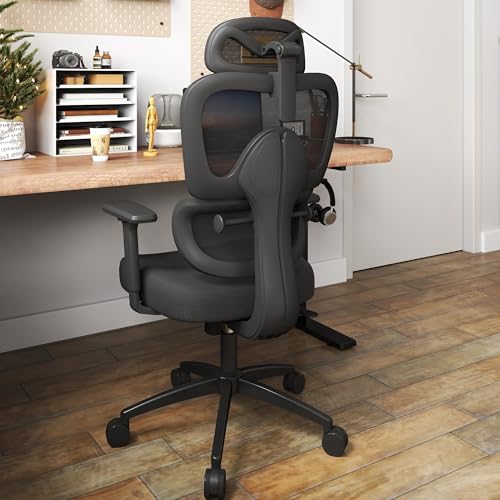
Ergonomic Office Chair with Adjustable Lumbar Support, 3D Arms and Headrest, High Back Wide Desk Computer Chair with Wheels, for Home & Office, Black
Large & Non-Deformable Cushion: Made from 4.33" thick, high-density shaped sponge, this wide comfy cushion resists sagging and…
As an affiliate, we earn on qualifying purchases.
As an affiliate, we earn on qualifying purchases.
Frequently Asked Questions
Can Sitting in an Ergonomic Chair Prevent All Back Pain?
Sitting in an ergonomic chair can considerably reduce back pain, but it won’t prevent all issues. These chairs promote proper posture correction and support, helping you avoid strain. However, staying seated for too long or neglecting movement can still cause discomfort. You need to take regular breaks, stretch, and maintain good habits alongside choosing an ergonomic design to truly protect your back health.
Do I Need to Replace My Office Chair Regularly?
Think of your office chair as a trusty steed; over time, even the strongest can wear down. You don’t need to replace it too often, but knowing your chair’s lifespan helps prevent discomfort. Usually, a good chair lasts 5-8 years. Keep an eye on its comfort and support, and consider replacement frequency if you notice persistent sagging or aches—your back will thank you.
Are Expensive Office Chairs Necessarily Better for Back Health?
You might think expensive office chairs are automatically better for your back, but that’s not always true. It’s about balancing cost vs. comfort—sometimes a less costly chair offers better support and adjustability. Also, consider brand reputation; trusted brands often prioritize ergonomic features. Ultimately, choose a chair that fits your body, offers proper lumbar support, and feels comfortable, regardless of the price. Your back health depends on fit, not just cost.
How Often Should I Adjust My Chair for Optimal Support?
You should adjust your chair regularly to maintain ideal support. Aim to make small chair adjustments every 30 to 60 minutes to keep your posture aligned and prevent discomfort. Focus on support enhancement by adjusting the height, lumbar support, and armrests to fit your body. Listening to your body helps you recognize when an adjustment is needed, ensuring comfort and reducing strain during long hours at your desk.
Is Standing Periodically During Work More Beneficial Than Sitting?
You wonder if standing periodically during work is better than sitting. Using standing desks and taking regular movement breaks can boost your circulation and reduce stiffness. Alternating between sitting and standing helps prevent strain and fatigue, making your workday more comfortable. Just remember to shift positions often, stay mindful of posture, and listen to your body’s signals. Incorporating movement breaks and standing desks can make a significant difference for your back health.
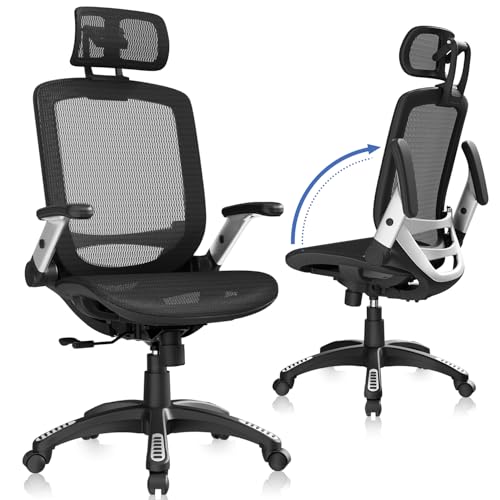
GABRYLLY Ergonomic Office Chair, High Back Home Desk Chair with Headrest, Flip-Up Arms, 90-120° Tilt Lock and Wide Cushion, Big and Tall Mesh Chairs for Man Woman, Black Task Chair
【ERGONOMIC OFFICE CHAIR】- The ergonomic chair provides 4 supporting points(head/ back/ hips/ hands) and a proper lumbar support….
As an affiliate, we earn on qualifying purchases.
As an affiliate, we earn on qualifying purchases.
Conclusion
Don’t let these myths trap you like a sinking ship. Instead, steer your way to comfort with knowledge that empowers you. Your back isn’t a fragile glass sculpture—you can strengthen it with the right choices. Break free from misconceptions and sail smoothly through your workday. Remember, an informed mind is your best compass—navigate your office chair wisely and keep your back sailing strong and pain-free.
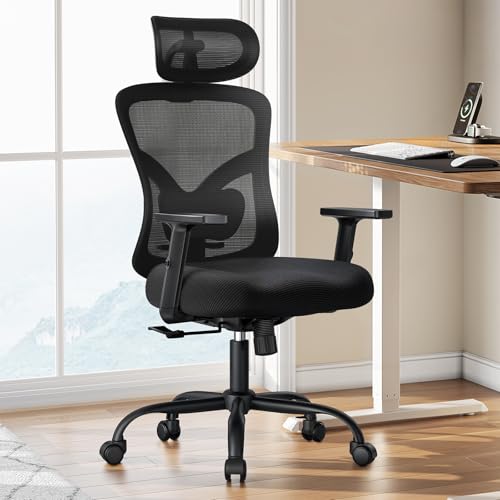
Marsail Ergonomic Office Chair Ergonomic Gaming Chair with Lumbar Support, 2D Headrest, Adjustable Armrests, Contoured Seat Cushion, Computer Desk Chair with Wheels for Home and Office
Adjustable Lumbar Support: This ergonomic office chair is designed to align with the natural curve of your spine….
As an affiliate, we earn on qualifying purchases.
As an affiliate, we earn on qualifying purchases.

Ergonomic Mesh Office Chair for Home Office, Flip-Up Arms, Breathable Mesh Back & Thick Seat Cushion, Swivel Rolling Computer Desk Chair, BIFMA Certified, Supports 300 lbs (Black Frame/Black Seat)
Strong & Certified Quality: The aerospace-grade plastic frame safely supports up to 300 lbs and is certified by…
As an affiliate, we earn on qualifying purchases.
As an affiliate, we earn on qualifying purchases.