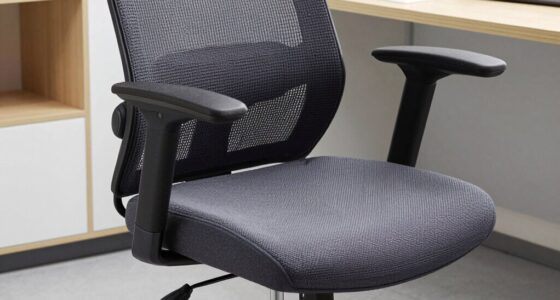

Your chair wheels influence your comfort more than you realize. Smooth, ergonomic wheels reduce effort, prevent sudden jolts, and support good posture, helping you avoid fatigue and discomfort during long hours. Durable materials protect both your floors and wheels, ensuring consistent performance. Features like locking mechanisms and noise reduction add to a better workspace experience. If you want to discover how choosing the right wheels can improve your daily comfort, keep going to learn more.
Key Takeaways
- Ergonomic wheels promote smooth movement, reducing effort and preventing discomfort or injury during chair use.
- Durable, well-made wheels prevent squeaks and sticking, ensuring consistent comfort over time.
- Larger and softer wheels improve mobility on uneven or hard surfaces, minimizing strain.
- Features like locking mechanisms and noise reduction enhance stability and create a quieter, more comfortable workspace.
- Properly designed wheels support correct posture and reduce fatigue, boosting overall ergonomic health.
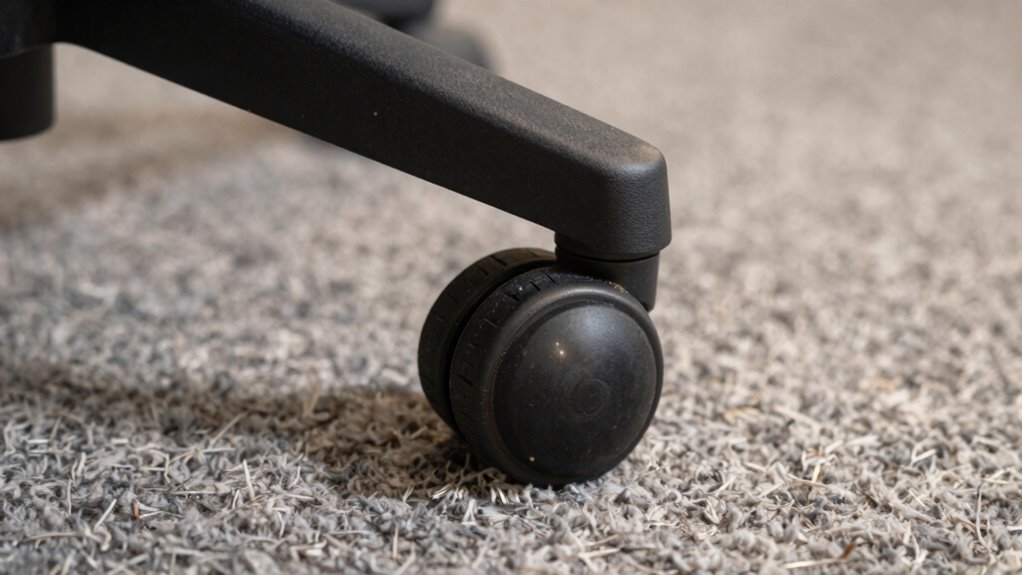
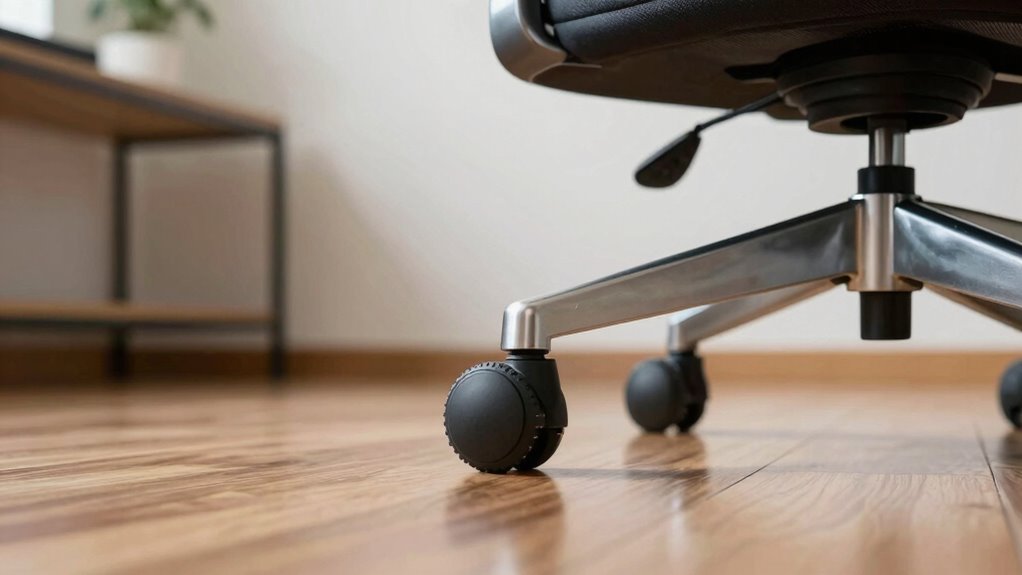
When it comes to sitting comfortably at your desk, your chair wheels play a bigger role than you might realize. The right wheels aren’t just about smooth movement; they’re about supporting your posture, reducing strain, and enhancing overall comfort. An important factor to consider is the ergonomic design of the wheels. Well-designed wheels are crafted to glide smoothly across different surfaces, minimizing the effort needed to move and preventing sudden jolts that can cause discomfort or even injury. When you choose wheels with an ergonomic focus, you’re investing in a setup that encourages proper body alignment, helping you avoid slouching or awkward positions that lead to back pain and fatigue. Additionally, ergonomic design ensures that your movements promote better posture and reduce repetitive strain. Surface durability is another key aspect often overlooked. The surface your chair wheels roll on can make or break your comfort level. Durable wheels are built to withstand frequent use and resist wear and tear, ensuring consistent performance over time. They won’t get stuck, squeak, or break easily, which means fewer interruptions and less frustration during your workday. Moreover, wheels with good surface durability protect your flooring—whether it’s hardwood, tile, or carpet—from scratches and scuffs. This not only prolongs the life of your flooring but also keeps your workspace looking professional and clean. Choosing the right wheels involves paying attention to both ergonomic design and surface durability. For example, larger wheels tend to roll more effortlessly over uneven surfaces, reducing the effort needed to move and decreasing strain on your legs and back. High-quality materials like polyurethane or rubber are often used for their durability and ability to absorb shock, making movement smoother and more comfortable. If your workspace has a hard floor, softer wheels will help cushion impacts and prevent damage, while carpeted surfaces benefit from wheels with a wider base for better weight distribution. Investing in wheels that combine ergonomic design with surface durability is also supported by user comfort research, which shows that ergonomic features directly contribute to reduced fatigue and discomfort during extended periods of sitting. Furthermore, the material composition of the wheels can influence their longevity and performance, so choosing the right combination can optimize your seating experience. Additionally, using wheels with proper surface compatibility can help prevent premature wear and protect your flooring, saving you money in the long run. You might also consider the design features of the wheels, such as locking mechanisms or noise reduction, to further enhance user experience. Ultimately, investing in wheels that combine ergonomic design with surface durability benefits your health and productivity. When you move your chair, you want to do so effortlessly and comfortably, not with resistance or noise. Good wheels support your body’s natural posture, reduce fatigue, and protect your flooring. Making this simple upgrade might seem minor, but it can have a significant impact on your daily comfort and overall well-being. So, next time you’re considering a new chair or upgrading your workspace, don’t forget to pay attention to the wheels—they’re more important than you think.

Lifelong Original Office Chair Wheels (As Seen On CNN) Replacement Rubber Chair Casters for Hardwood Floors and Carpet, Set of 5, Heavy Duty Casters for Chairs to Replace Office Chair Mats – Fits 98%
THE LAST OFFICE CHAIR WHEELS YOU'LL NEED – Not all chair casters are created equal. Our heavy-duty chair…
As an affiliate, we earn on qualifying purchases.
As an affiliate, we earn on qualifying purchases.
Frequently Asked Questions
Do Different Floor Types Require Specific Chair Wheel Types?
Yes, different floor types need specific chair wheel types. For carpet compatibility, choose softer, larger wheels that won’t sink in or cause damage. Hardwood suitability calls for hard plastic or rubber wheels to prevent scratching or scuffing the surface. Using the right wheels guarantees smooth movement, protects your floors, and maintains comfort. Always match your chair wheels to your floor type for peak performance and longevity.
How Often Should Chair Wheels Be Replaced for Optimal Comfort?
You should replace your chair wheels every 6 to 12 months for guaranteed comfort and ergonomic support. Regular wheel maintenance, like cleaning and inspecting for damage, helps extend their lifespan. Worn-out wheels can cause discomfort and reduce mobility, so stay attentive to signs like sticking or uneven rolling. Replacing them promptly ensures your chair remains comfortable and supports proper posture, preventing strain and promoting productivity.
Can Wheel Materials Impact Noise Levels During Movement?
Yes, wheel material substantially impacts noise levels during movement. Softer materials like rubber or polyurethane naturally absorb sound, providing noise reduction and a quieter workspace. Harder materials such as plastic or metal tend to create more noise when rolling. By choosing wheels made from noise-reducing materials, you can enjoy smoother, quieter movement, making your environment more comfortable and less distracting.
Are There Ergonomic Benefits to Choosing Certain Wheel Designs?
Choosing wheels with ergonomic design and superior wheel maneuverability offers clear benefits. They reduce strain on your wrists and shoulders, making movement smoother and easier. These features help you maintain proper posture, prevent discomfort, and increase productivity. When selecting chair wheels, prioritize ergonomic design and wheel maneuverability to enhance comfort and support, ensuring your workspace remains efficient and your body stays protected during long hours of sitting and moving around.
How Do Chair Wheel Sizes Influence User Posture?
Wheel diameter effects directly influence your posture correction by affecting mobility and stability. Larger wheels make it easier to move smoothly, encouraging you to sit upright and maintain better posture. Smaller wheels may cause you to lean or hunch as you struggle to maneuver, leading to discomfort over time. Choosing the right wheel size helps promote proper alignment, reducing strain and supporting healthier sitting habits.

MaxGear Office Chair Wheels, 2 Inch Replacement Soft Mute Desk Caster Wheels for Work & Gaming Chair, Heavy Duty and Safe Rolling for All Floors & Hardwood, Universal Fit for 98% of Chairs, Set of 5
UNIVERSAL FIT (CHECK STEM SIZE — NOT FOR IKEA): Fits 98% of standard office chairs with 11mm stems….
As an affiliate, we earn on qualifying purchases.
As an affiliate, we earn on qualifying purchases.
Conclusion
So, next time you roll around in your chair, remember—those humble wheels are the secret architects of your comfort or chaos. They’re not just tiny rubber circles; they’re the unsung heroes or villains of your day. Choosing the right wheels could elevate your sitting experience from tolerable to legendary. Don’t underestimate their power—because in the grand scheme of your productivity and well-being, they might just be the difference between feeling like royalty or a rickety old throne.
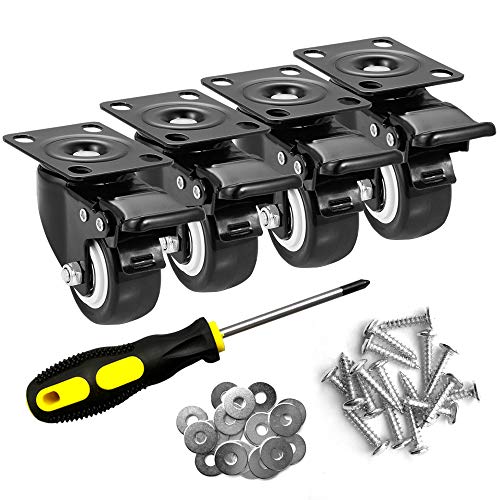
ASHGOOB 2" Caster Wheels Set of 4, Heavy Duty Casters with Brake, No Noise Locking Polyurethane (PU) Wheels, Swivel Plate Castors Pack 4
Standard: A set of 4 caster wheels, 2 inch Polyurethane (PU) Swivel caster wheels,a box with screwdrivers, screws…
As an affiliate, we earn on qualifying purchases.
As an affiliate, we earn on qualifying purchases.

Premium 2 Inch Office Chair Caster Wheels (Set of 5) – Heavy-Duty, Smooth Rolling, Safe for All Floors, Silent and Durable Replacement for Home and Office Chairs
Smooth and Quiet Rolling: Our office chair wheels, featuring roller blade wheels, ensure smooth and silent movement across…
As an affiliate, we earn on qualifying purchases.
As an affiliate, we earn on qualifying purchases.