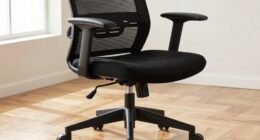
You’ll get the most benefits from active sitting when you stop expecting it to feel like a traditional chair. Instead, embrace movement and flexibility, understanding that active sitting involves micro-adjustments, not static comfort. Let go of the idea of perfect posture and focus on engaging your muscles and maintaining natural alignment. As you adapt, you’ll notice improved posture awareness and less strain. Keep exploring to discover how ergonomic design enhances this experience even more.
Key Takeaways
- Active sitting emphasizes movement and micro-adjustments, not static comfort, making it more effective when not mistaken for traditional seating.
- Proper ergonomic design supports natural posture and encourages continuous movement, enhancing the benefits of active sitting.
- Accepting constant slight shifts helps develop body awareness and improves long-term posture habits.
- Viewing active sitting as a dynamic practice rather than a replacement for comfort encourages consistent use.
- Focusing on movement and engagement, rather than static comfort, maximizes health benefits over time.

If you’re used to traditional chairs, switching to active sitting might feel awkward at first, but it actually works better when you stop expecting it to mimic a regular seat. Instead of trying to find comfort in a static position, you need to embrace movement and flexibility. Active sitting encourages your body to stay engaged, and that’s where ergonomic design plays an essential role. A well-designed active sitting stool or ball is crafted to support your natural posture, allowing your spine to remain aligned while giving you the freedom to shift and adjust effortlessly. When you stop expecting a chair to hold you perfectly still, you open yourself up to benefits like improved posture awareness, which is fundamental for long-term musculoskeletal health.
Embrace movement and ergonomic design to support natural posture and boost long-term musculoskeletal health.
As you sit actively, you become more conscious of how your body aligns and moves throughout the day. This increased posture awareness helps you recognize the signs of poor alignment—like slouching or leaning forward—and correct them in real-time. Instead of waiting until discomfort or pain sets in, active sitting trains you to maintain a healthy posture proactively. Your core muscles get a gentle workout with each subtle shift, and your back muscles are less likely to weaken from prolonged static positions. Once you accept that active sitting isn’t about finding a “perfect” position but about constant micro-adjustments, it becomes easier to incorporate into your routine. Additionally, understanding the importance of ergonomics can help you optimize your setup and enhance your overall experience.
You’ll find that ergonomic design isn’t just a marketing term but a practical feature that enhances your experience. Chairs or stools designed for active sitting typically include features like a slight wobble or dynamic base, encouraging movement without requiring you to consciously think about it. These features help you engage your core and leg muscles naturally, reducing the strain on your lower back and hips. As you become more accustomed to this, your posture awareness increases, making it easier to maintain a healthy, active stance without feeling tired or unsteady. Incorporating ergonomic principles and proper equipment can further improve your active sitting experience by supporting movement and stability. Additionally, understanding the importance of ergonomic design can help you select the right tools to maximize comfort and health benefits.
Research shows that dynamic movement during sitting can significantly reduce the risks associated with prolonged static postures, making active sitting a smart choice for long-term health. Ultimately, active sitting works better when you let go of the idea that it should feel like a traditional chair. Instead, see it as an opportunity to integrate movement into your daily routine, with ergonomic design supporting your body’s natural tendencies. The more you focus on posture awareness, the more intuitive it becomes to sit actively, leading to better comfort, less pain, and a more energized way to work or relax. Once you stop expecting it to mimic a regular seat, you’ll discover how much more beneficial active sitting truly is.

SONGMICS Ergonomic Wobble Stool, Height Adjustable Standing Desk Stool 23.3-33.1 Inches, Swivel Balance Chair with Non-Slip Base, Saddle Seat, for Active Sitting, Office, Home, Ink Black UOSC008B01
Active Sitting Anywhere: This ergonomic wobble stool with an 10° tilt promotes healthy posture and active sitting, helping…
As an affiliate, we earn on qualifying purchases.
As an affiliate, we earn on qualifying purchases.
Frequently Asked Questions
How Long Should I Practice Active Sitting Daily?
You should practice active sitting for about 15 to 30 minutes daily, gradually increasing as you become more comfortable. During this time, focus on posture adjustments and maintaining core engagement to support your spine. Break it up into shorter sessions if needed, and listen to your body. Consistent practice helps improve posture, strengthen your core, and make active sitting feel more natural over time.
Can Active Sitting Help Relieve Back Pain?
Active sitting can considerably help relieve back pain by transforming your posture correction routine and providing ergonomic benefits. When you stay engaged and avoid passive slouching, you strengthen core muscles and reduce strain on your spine. This dynamic movement prevents stiffness and promotes better alignment. Keep practicing actively, and you’ll notice less discomfort and improved back health, making it a game-changer for pain relief and long-term posture support.
What Types of Active Sitting Equipment Are Most Effective?
You’ll find that stability and balance are key when choosing active sitting equipment. Look for ergonomic designs like balance ball chairs, wobble stools, or kneeling chairs that promote core engagement. These options improve stability while encouraging movement. The best equipment challenges your muscles subtly, helping to reduce back pain and boost focus, all while maintaining proper posture. Prioritize items that promote active sitting with ergonomic support and stability to get the most benefit.
Is Active Sitting Suitable for Children or Seniors?
Sure, active sitting is suitable for children and seniors—because what better way to turn play into exercise and aging into adventure? You’ll find it boosts child engagement and supports senior mobility, all while pretending to be normal furniture. Kids stay alert, seniors stay mobile, and everyone gets a little more movement. Who knew sitting could be so revolutionary? Just don’t expect it to feel like a traditional chair!
How Quickly Can I Expect to See Benefits From Active Sitting?
You might notice some benefits from active sitting within a few days to a week, like improved posture and more energy. As you consistently engage in active sitting, your muscles strengthen, and your core stabilizes. Keep in mind, individual results vary based on your activity level and commitment. Stay patient and persistent, and you’ll likely experience ongoing posture improvements and an energy boost as your body adapts.

Gaiam Classic Balance Ball Chair – Ergonomic Stability Chair for Desk & Office | Yoga Ball Seat with Base, Air Pump, & Exercise Guide | Improves Posture & Core Strength (300 lb Capacity)
Boost Focus & Energy – Engages micro-movements that stimulate muscles and mind, helping improve concentration and productivity whether…
As an affiliate, we earn on qualifying purchases.
As an affiliate, we earn on qualifying purchases.
Conclusion
Imagine trying to ride a bike with training wheels—you don’t expect it to feel like a regular bike. The same goes for active sitting. When you stop craving the familiar comfort of a traditional chair, you open yourself to better posture, more movement, and increased energy. It’s like trading a fixed path for a new adventure. Embrace the shift, and you’ll find that active sitting becomes more natural, even if it feels a bit unfamiliar at first.

LiberNovo Dynamic Ergonomic Office Chair – Comfy Adjustable Desk Chair with Adaptive Lumbar Support, 160° Recline & Built-in Spine Stretch for Back Comfort, Home Office Long Hours Use, Black+48cm
Bionic FlexFit Backrest: Precision-Tailored Comfort, perfectly Aligned for Your Spine.
As an affiliate, we earn on qualifying purchases.
As an affiliate, we earn on qualifying purchases.

The Wobble Stool- Self Balancing Stool with 360 Degree Rotation, Promotes Healthy Posture to Relieve Back and Neck Pain, Lightweight Portable Seat Cushion (Mini) – Weight Limit – 220LBS
Balancing Wobble Stool- If you suffer from back pain, it is most likely a result of poor posture….
As an affiliate, we earn on qualifying purchases.
As an affiliate, we earn on qualifying purchases.