To avoid strain during your commute, choose an ergonomic backpack that evenly distributes weight across your shoulders, back, and hips. Make sure the straps are adjustable so you can get a customized, close fit that keeps the bag stable and reduces pressure points. Pack heavier items near your back and lighter ones on top or outside to prevent imbalance. If you keep these tips in mind, you’ll stay comfortable and protected from long-term discomfort. Exploring more can help you find the best features for your needs.
Key Takeaways
- Use backpacks with adjustable straps to ensure a customized, snug fit that keeps weight close to your back.
- Distribute weight evenly by packing heavier items near your spine and lighter items outward.
- Choose backpacks with padded shoulder straps and back panels for cushioning and pressure relief.
- Adjust straps regularly to maintain proper posture and prevent shoulder or neck strain during your commute.
- Proper packing techniques and ergonomic features together reduce muscle fatigue and promote healthy posture.

Carrying a backpack that’s designed with ergonomics in mind can make a vital difference in your comfort and posture. When you choose the right pack, you’re not just carrying your belongings—you’re supporting your body in a way that minimizes strain and fatigue. One of the most important features to look for is proper weight distribution. A well-designed ergonomic backpack evenly disperses the weight across your shoulders, back, and hips, reducing pressure points that can lead to discomfort or injury over time. This means that your heavier items shouldn’t sit all on one side or at the bottom of the bag, which can cause imbalance and strain your muscles unnecessarily.
Adjustable straps are another essential element in ergonomic backpack design. When straps are customizable, you can fine-tune the fit to match your body’s unique shape and size. Properly adjusted straps ensure that the weight of your backpack stays close to your back, rather than hanging loosely or pulling uncomfortably on your shoulders. This prevents common issues like shoulder pain, neck tension, and backaches. When straps are adjustable, you can also shift the load slightly higher or lower depending on what you’re carrying, which helps maintain proper posture during your commute.
In addition to adjustable straps, look for backpacks with padded shoulder straps and a padded back panel. These features provide cushioning that absorbs some of the impact and distributes pressure more evenly. A padded back helps prevent the contents of your bag from poking into your back and keeps the pack snug against your body for better stability. The overall design should encourage a natural, upright posture rather than forcing you to lean forward or sideways to compensate for uneven weight. Proper weight distribution is essential for reducing fatigue and preventing musculoskeletal issues during extended wear.
When packing your backpack, distribute your items thoughtfully. Place heavier items closer to your back, near your center of gravity, to prevent the bag from pulling you backward or causing imbalance. Keep lighter items towards the outside or top of the pack. This careful packing, combined with a backpack that offers even weight distribution and adjustable straps, markedly reduces the risk of strain during your daily commute.
Choosing an ergonomic backpack isn’t just about style; it’s about supporting your body’s health. By paying attention to features like proper weight distribution and adjustable straps, you can enjoy a more comfortable, pain-free experience, no matter how long your journey. Investing in the right backpack makes a real difference in maintaining good posture and avoiding unnecessary strain, helping you stay energized and comfortable from start to finish.

JanSport Laptop Backpack – Computer Bag with 2 Compartments, Ergonomic Shoulder Straps, 15” Laptop Sleeve, Haul Handle – Graphite Grey
Go Big or Go Home: Always have room for your essentials with the JanSport Big Backpack with a…
As an affiliate, we earn on qualifying purchases.
As an affiliate, we earn on qualifying purchases.
Frequently Asked Questions
How Do I Choose the Right Size Ergonomic Backpack?
To choose the right size ergonomic backpack, consider its weight capacity to make certain it can handle your daily essentials without strain. Pick a pack that fits snugly against your back, avoiding excess space that causes imbalance. Look for durable materials that withstand daily wear and tear. Measure your typical load and select a size that comfortably accommodates it, helping you avoid unnecessary strain during your commute.
Can Ergonomic Backpacks Help Prevent Back Pain?
Yes, ergonomic backpacks can help prevent back pain. They provide better back support and promote proper posture by evenly distributing weight across your shoulders and hips. When you choose a backpack with adjustable straps and padded support, you reduce strain on your back muscles. This means less discomfort during your commute and a lower risk of long-term back issues. Prioritize ergonomic features to keep your back healthy and comfortable.
Are There Specific Features to Look for in Ergonomic Backpacks?
Imagine a sturdy ship guiding you safely through choppy waters. Look for a backpack with balanced weight distribution and padded straps, like a captain’s trusted helm. These features *guarantee* your load stays even, reducing strain on your back and shoulders. Adjustable straps let you customize the fit, acting like a personalized sail. Prioritize these elements to keep your journey smooth and comfortable, no matter the terrain ahead.
How Often Should I Adjust the Straps for Comfort?
You should adjust your straps whenever you feel discomfort or after loading your backpack. Regular strap adjustment is key to comfort optimization, preventing strain on your shoulders and back. Check your straps daily to guarantee they fit snugly but not too tight, especially if your load changes. By making these adjustments, you maintain proper posture and reduce fatigue during your commute, keeping you comfortable throughout the day.
Do Ergonomic Backpacks Suit All Body Types?
Think of ergonomic backpacks like a tailored suit—they can adapt to many body types but might not fit everyone perfectly. You’ll find options with diverse backpack materials and color options to match your style and needs. While most are adjustable, trying different models helps guarantee comfort. I learned this firsthand when switching to a backpack with padded straps, which considerably eased my shoulder strain, proving a good fit makes all the difference.
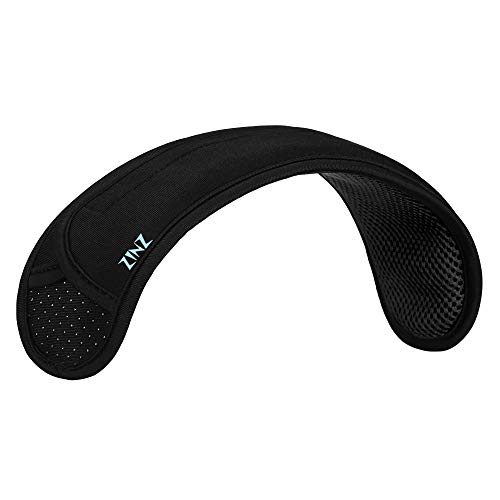
ZINZ Ultra Thick & Breathable Universal Shoulder Pad Cushion for Bag, Long & Comfort, Black
【Size】The Replacement Shoulder Pad is 33 cm long and 8 cm wide and 2.5 cm thick, Fits Over…
As an affiliate, we earn on qualifying purchases.
As an affiliate, we earn on qualifying purchases.
Conclusion
Choosing an ergonomic backpack might seem like an extra expense, but it’s worth it to prevent long-term strain and discomfort. Investing in the right support helps you avoid painful back, shoulder, and neck issues down the line. Remember, comfort and health should come first—so don’t compromise on quality. With a properly fitted backpack, you’ll enjoy your commute more and stay energized throughout the day. Prioritize your well-being—you won’t regret it.

Polyfit Rucking Backpack 2.0 – Weighted Ruck Pack for Weight Plates – Patent Pending Side-Loading Rucksack for Walking, Running, Rucking, Strength and Endurance Training – Black
Weight Plates Sold Separately. Compatible with Polyfit Weight Plates and cast iron rucking weight plates up to 10×12…
As an affiliate, we earn on qualifying purchases.
As an affiliate, we earn on qualifying purchases.
backpack with padded back panel
As an affiliate, we earn on qualifying purchases.
As an affiliate, we earn on qualifying purchases.