Using a desk fan can help you focus better by improving airflow, which reduces stuffiness and keeps you comfortable. The gentle noise from the fan can mask distracting sounds, creating a steady environment conducive to concentration. Plus, better air circulation can improve air quality, boosting your alertness. However, individual preferences matter, and factors like drafts or excessive noise may sometimes hinder your focus. Keep exploring to discover how to optimize your workspace for maximum productivity.
Key Takeaways
- Gentle airflow from desk fans can enhance focus by increasing alertness and reducing environmental stagnation.
- Fans mask distracting background noises, creating a consistent auditory environment that supports concentration.
- Improved air circulation from fans can enhance air quality, benefiting focus and comfort during extended work sessions.
- Properly tuned fans help regulate temperature and reduce discomfort, preventing attention drain caused by heat or stuffiness.
- Effectiveness varies depending on individual preferences and workspace conditions, making experimentation essential for optimal benefits.

Have you ever noticed how a simple breeze from a desk fan can boost your focus? It’s a small change, but many people find that the gentle airflow helps them concentrate better on tasks. The key reason? It’s partly about air circulation. When your workspace feels stuffy or stagnant, it’s harder to stay alert. A desk fan improves air circulation, refreshing the environment and reducing feelings of sluggishness. The movement of air can make you feel more awake, which in turn sharpens your focus. Plus, a steady stream of fresh air can help you stay engaged for longer periods, especially during long work sessions or study marathons.
But it’s not just about airflow. Noise levels play a big role in whether a desk fan actually helps or hinders your concentration. Some fans create a gentle white noise that masks distracting sounds from outside your workspace, like conversations or traffic. This can create a more consistent auditory environment, making it easier to tune out interruptions and stay on task. However, if your fan is loud or produces irregular sounds, it could become more of a distraction than a help. The key is finding a balance—one that provides enough airflow and background noise to promote focus without overwhelming your senses. Additionally, air quality can influence how effective a fan is, especially if it helps reduce dust or allergens in the workspace.
Your personal preference and the specifics of your environment also influence how effective a desk fan can be. If your workspace tends to get warm or stuffy, a fan can create a noticeable difference. It can cool you down just enough to prevent discomfort, which can otherwise drain your attention. Conversely, if your room is already well-ventilated and comfortable, a fan might not make much of a difference, or it might even be an unnecessary distraction. It’s about tuning your workspace to your needs, using the fan as a tool to optimize noise levels and air circulation.
In some cases, you might find that the benefits of a desk fan are short-lived or inconsistent. For example, if the fan’s noise becomes too familiar or predictable, your brain might start tuning it out, reducing its effectiveness. Or if the airflow causes drafts that distract you or disturb your concentration, it could do more harm than good. Ultimately, whether a desk fan helps you focus better depends on your individual responses, the environment, and how you manage noise levels and air circulation. It’s worth experimenting with different settings and types of fans to discover what works best for you. Understanding the importance of air circulation in creating an optimal workspace can help you make better choices about using desk fans effectively.

Honeywell TurboForce Air Circulator, Small Tabletop Fan, Quiet Personal Fan for Home or Office, 3 Speeds, 90 Degree Pivoting Head, Black, HT900
- Quiet Operation: 25% quieter than comparable fans
- Versatile Placement: Tabletop, wall-mounted, or floor use
- Powerful Airflow: Aerodynamic turbo design for maximum air movement
As an affiliate, we earn on qualifying purchases.
As an affiliate, we earn on qualifying purchases.
Frequently Asked Questions
Can Desk Fans Improve Air Quality in My Workspace?
Yes, desk fans can improve air quality in your workspace by promoting air circulation, which helps disperse stale air and odors. While they don’t filter pollutants, they can reduce dust buildup by preventing it from settling, especially with regular cleaning. This improved airflow can make your environment feel fresher and more comfortable, ultimately supporting better focus. Just make certain your fan is kept clean to maximize dust reduction benefits.
Do Noise Levels From Desk Fans Affect Concentration?
Yes, noise levels from desk fans can affect your concentration. If the fan creates steady, soft ambient noise, it might boost your personal comfort and help block distracting sounds, improving focus. However, if the noise is loud or inconsistent, it can become a distraction itself. Finding a fan with a gentle hum that suits your comfort is key. Adjusting volume or trying different models can help optimize your workspace environment.
Are There Health Risks Associated With Using Desk Fans Long-Term?
Using a desk fan long-term can pose health risks if you’re exposed to airborne allergens or experience skin dryness. While it’s unlikely to cause severe harm, continuous exposure might lead to respiratory issues or skin irritation, making you feel like you’re battling a relentless storm. To stay safe, keep your fan clean, avoid pointing it directly at your face, and take breaks to minimize these risks.
How Do Desk Fans Compare to Air Purifiers for Focus?
Desk fans improve focus by enhancing air circulation and your personal comfort, creating a cooler, more comfortable workspace. Unlike air purifiers, which filter airborne particles, fans mainly promote airflow, preventing stuffiness and overheating. If you’re sensitive to heat or stuffy environments, a desk fan can boost your concentration. However, air purifiers are better if allergens or pollutants hinder your focus. Choosing depends on whether airflow or air quality is your priority.
What Are the Best Desk Fan Features for Enhancing Focus?
The best desk fan features for enhancing focus include adjustable speed settings, oscillation, and quiet operation to maximize personal comfort. Look for energy-efficient models to save power without sacrificing performance. A fan with a tiltable head helps direct airflow precisely where you need it, and a compact design ensures it fits seamlessly on your desk. These features keep you comfortable, reduce distractions, and help maintain your focus throughout the day.
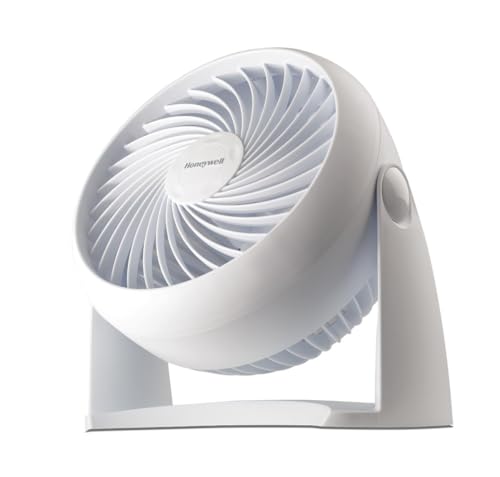
Honeywell TurboForce Air Circulator, Small Tabletop Fan, White, HT-904
- Quiet Operation: 25% quieter than comparable fans
- Versatile Placement: Tabletop, wall-mounted, or floor use
- Powerful Airflow: Aerodynamic turbo design for maximum airflow
As an affiliate, we earn on qualifying purchases.
As an affiliate, we earn on qualifying purchases.
Conclusion
So, whether a desk fan helps you focus or not depends on your personal vibe. Sometimes, it’s like having a gentle gust guiding your thoughts, clearing the mental fog. Other times, it’s just noise adding to the chaos. Think of it as a tool that can either be your secret weapon or a distraction—like a double-edged sword. Try it out and see if it’s the boost of fresh air your focus needs to flourish.
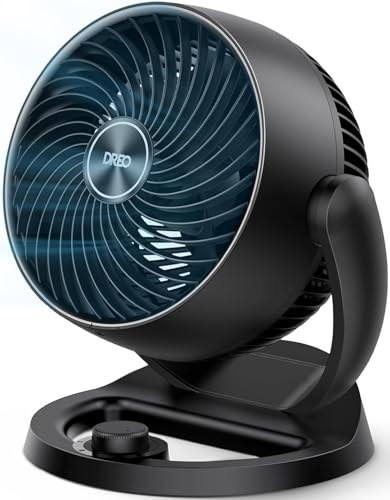
DREO Fan for Bedroom, 12 Inches, 70ft Powerful Airflow, 25db Quiet Table Air Circulator Fans for Whole Room, 120° Adjustable Tilt, 3 Speeds, Desktop Fan for Home, Office, Kitchen
- Powerful airflow coverage: Circulates air up to 70 ft
- Quiet operation: Operates at 25dB for peaceful sleep
- Energy-efficient design: Enhances appliance efficiency and saves energy
As an affiliate, we earn on qualifying purchases.
As an affiliate, we earn on qualifying purchases.
DREO Fan for Bedroom, 12 Inches, 70ft Powerful Airflow, 25db Quiet Table Air Circulator Fans for Whole Room, 120° Adjustable Tilt, 3 Speeds, Desktop Fan for Home, Office, Kitchen
- Powerful airflow coverage: Circulates air up to 70 ft
- Quiet operation: Operates at 25dB for peaceful sleep
- Energy-efficient design: Enhances appliance efficiency and saves energy
As an affiliate, we earn on qualifying purchases.
As an affiliate, we earn on qualifying purchases.