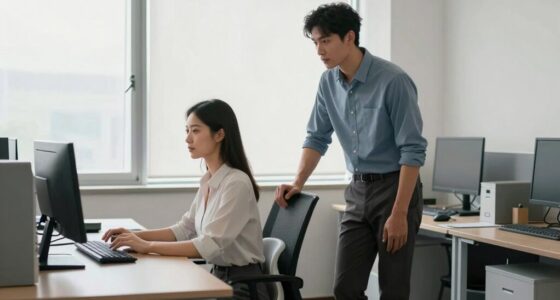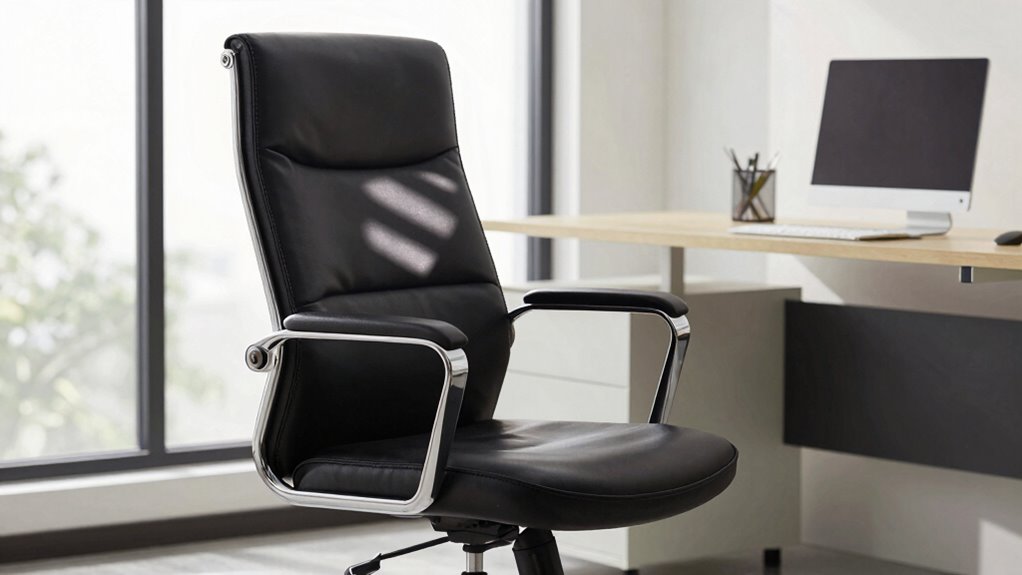
Your office chair can quietly shorten your hip flexors by keeping them in a contracted position for extended periods. Sitting for long stretches causes these muscles to tighten, which can lead to discomfort, limited movement, and postural imbalances. Over time, this may contribute to lower back pain and mobility issues. To prevent this, you need regular movement and stretches. Stay with us to discover effective ways to keep your hips healthy and flexible.

Get comfort and recovery gear delivered free with Prime
- Fast, free delivery on millions of items
- Prime Video, Amazon Music and more included
- Member-only deals all year
Key Takeaways
- Prolonged sitting in office chairs keeps hip flexors in a shortened, contracted position, leading to tightness over time.
- Sitting for extended periods pulls the pelvis forward, causing postural imbalance and reducing hip flexibility.
- Lack of movement while seated encourages muscle shortening, increasing the risk of discomfort and mobility issues.
- Ergonomic setups and regular breaks can help prevent hip flexor shortening caused by office chair use.
- Incorporating stretches and movement throughout the day counteracts the negative effects of sitting in a standard office chair.
If you spend long hours sitting at your desk, your office chair might be doing more harm than you realize. Prolonged sitting can lead to shortened hip flexors, which can cause tightness, discomfort, and even impact your posture over time. When your hip flexors are consistently in a shortened position, they pull your pelvis forward, creating an imbalance that can lead to poor posture and lower back pain. The good news is that awareness and small adjustments can make a significant difference. Incorporating posture improvements into your daily routine is essential, and ergonomic accessories can be a game-changer in this effort.
Prolonged sitting shortens hip flexors, leading to discomfort and poor posture—small changes can make a big difference.
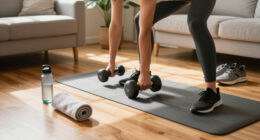
First, understanding how your sitting habits influence your hip flexors is key. Sitting for extended periods keeps these muscles in a contracted state, which gradually shortens their length. Over time, this tightness can limit your range of motion and contribute to discomfort, especially when you try to stand or move. To counteract this, you need to be intentional about breaking up long sitting sessions with movement. Simple stretches, like lunges or hip-opening exercises, can help lengthen these muscles and restore balance. Regularly moving not only alleviates tightness but also promotes better posture, reducing strain on your back and hips. Additionally, being aware of your sitting posture can help prevent further tightening of your hip flexors. Incorporating body awareness practices, such as somatic therapy, can further enhance your ability to recognize and correct poor habits that contribute to muscle shortening.
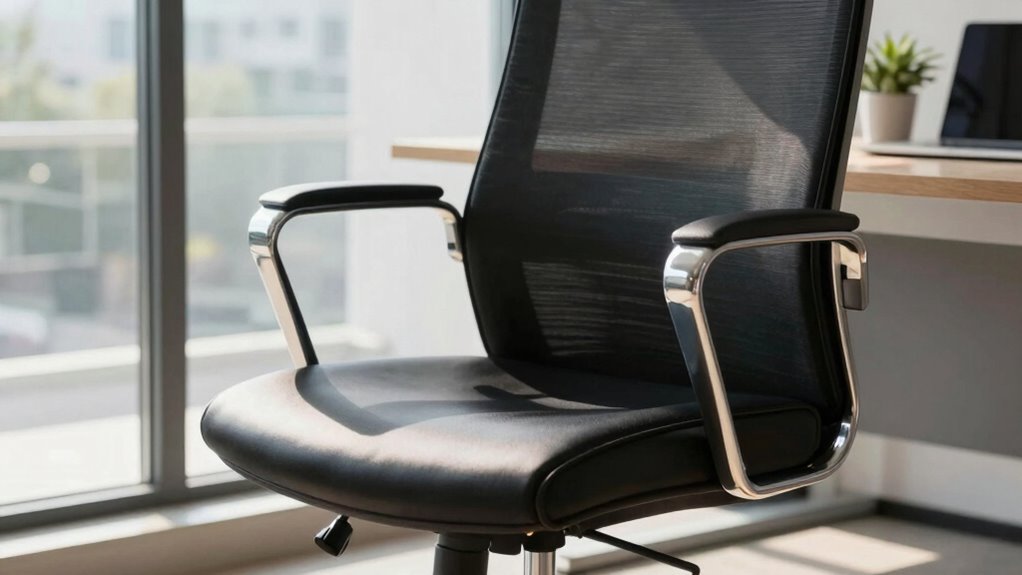
Research shows that muscle imbalances resulting from prolonged sitting can have long-term effects if not addressed early, so proactive measures are essential. Ergonomic accessories are vital tools that can help you maintain proper posture and prevent your hip flexors from shortening. Adjustable sit-stand desks allow you to alternate between sitting and standing, which reduces the continuous pressure on your hip muscles. An ergonomic office chair with proper lumbar support encourages better spinal alignment and discourages slouching, which can worsen hip tightness. Additionally, footrests and seat cushions can improve your sitting posture by promoting a more neutral pelvis position. When your pelvis is aligned correctly, your hip flexors are less likely to stay in a shortened state for hours on end. Incorporating muscle flexibility exercises into your routine can further support long-term hip health and prevent stiffness.
Making small, consistent changes can have a big impact. Set reminders to stand up and stretch every 30 to 60 minutes. Incorporate ergonomic accessories into your workspace to support better posture and reduce muscle strain. Remember, the goal isn’t just comfort but also maintaining healthy hip flexibility and preventing long-term issues. By paying attention to how you sit and investing in the right accessories, you can keep your hip flexors healthy and avoid the pitfalls of prolonged sitting. Your body will thank you in the long run, and you’ll find that small adjustments can lead to big improvements in how you feel throughout the day.
ergonomic office chair with lumbar support
As an affiliate, we earn on qualifying purchases.
As an affiliate, we earn on qualifying purchases.
Frequently Asked Questions
Can Standing Desks Prevent Hip Flexor Shortening?
Standing desks can help prevent hip flexor shortening by promoting better posture and encouraging movement. When you use ergonomic accessories like anti-fatigue mats and adjustable height desks, you can switch between sitting and standing, reducing strain. This variation supports posture correction, keeps your hip flexors more flexible, and minimizes tightness. Remember, staying active and adjusting your workspace regularly are key to maintaining healthy hip muscles and preventing discomfort.
How Long Does It Take to Notice Hip Flexor Tightness?
Think of your hips as a garden that needs regular watering; neglect it, and tightness will sprout quickly. Usually, after just a few days of sitting too long, you might start noticing decreased hip flexibility and tightness. The longer you sit, the faster your hip flexors shorten, making movement uncomfortable. To avoid this, take breaks often, stretch, and keep your sitting duration in check to maintain healthy hip mobility.
Are There Specific Office Chairs That Promote Better Hip Health?
Yes, there are office chairs designed to promote better hip health. Look for chairs with ergonomic design and adjustable lumbar support, which encourage proper posture and reduce hip flexor strain. These features help you sit comfortably for longer periods, preventing tightness and discomfort. By choosing a chair with good ergonomic features, you actively support your hips and lower back, promoting overall health and reducing the risk of tightness or injury.
Can Stretching Alone Reverse Hip Flexor Shortening?
Stretch exercises can improve hip flexibility, but they might not fully reverse hip flexor shortening on their own. Consistent stretching helps loosen tight muscles, yet combining stretching with strengthening exercises and regular movement is more effective. If your hip flexors are considerably shortened, you may need targeted therapy or specific exercises to restore proper length and function. Staying active throughout the day also supports maintaining healthy hip flexibility.
What Are the Long-Term Health Risks of Tight Hip Flexors?
You might not realize it, but tight hip flexors can silently impact your health. Over time, they can reduce hip mobility, leading to joint pain and increased injury risk. Poor posture correction becomes harder, straining your lower back and hips. If ignored, these issues may cause chronic discomfort, limit movement, and even impact your overall posture. Prioritizing hip flexibility now can prevent long-term health risks and keep you active and pain-free.
As an affiliate, we earn on qualifying purchases.
Conclusion
Don’t dismiss your desk duties as dull; your office chair can subtly shorten your hip flexors. By staying seated for hours, you silently sacrifice flexibility and freedom in your hips. Stay savvy by stretching, standing, and shifting your stance—simple steps that stave off stiffness and keep you supple. Remember, a little movement makes a mighty difference, so don’t let your chair champion your shortcomings. Stay active, stay aware, and keep your hips happy and healthy!
As an affiliate, we earn on qualifying purchases.
As an affiliate, we earn on qualifying purchases.
Halloween Picks
halloween
As an affiliate, we earn on qualifying purchases.