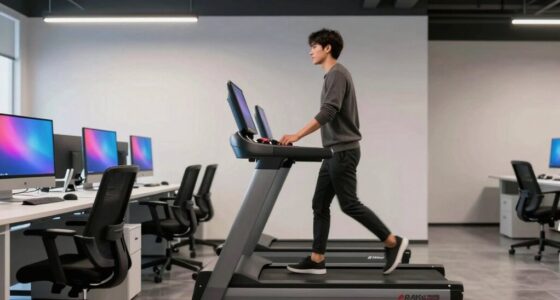

Focusing on perfect posture can lead to stiffness and discomfort, but micro-movements keep your body active and healthy. Small shifts like shifting your weight or stretching prevent muscle fatigue and boost circulation. Rigid postures and static positions often cause tension, so embracing gentle, frequent movements is better for long-term comfort. By moving naturally and avoiding the myth of perfect alignment, you support your body’s needs. If you keep exploring, you’ll discover how micro-movements can make a real difference.
Key Takeaways
- Static, perfect posture can cause discomfort; regular micro-movements keep muscles active and reduce strain.
- Small, intentional shifts promote blood flow and prevent stiffness better than rigid alignment.
- Emphasizing movement over static positions aligns with the body’s natural design for health.
- Rigid ergonomic setups may restrict natural movement, leading to tension and fatigue.
- Mindful micro-movements enhance comfort, support recovery, and improve overall well-being.

Have you ever underestimated the power of small actions? It’s easy to fall into the trap of believing that big efforts—like perfectly aligning your posture—are the key to staying comfortable and healthy. But often, it’s the tiny, continuous adjustments—micro-movements—that make the real difference. Instead of obsessing over achieving a “perfect” posture, focus on incorporating small shifts into your day. These micro-movements help your muscles stay active and engaged, reducing stiffness and strain over time. This approach challenges the common posture myths that suggest staying perfectly still and upright is the best way to prevent discomfort. The truth is, your body isn’t meant to hold static positions for long periods. Your muscles crave movement, even small, subtle ones, to keep blood flowing and muscles engaged.
When you’re sitting at your desk, it’s tempting to set up an ergonomic setup that forces you into a rigid position, believing that this will prevent aches and pains. But rigid postures can actually lead to more discomfort because they restrict natural movement. Instead, think of your workspace as a flexible environment where you can shift your position often. This doesn’t mean abandoning ergonomic principles altogether; rather, it means using them as a foundation to support movement. Adjust your chair height, reposition your monitor, and then allow yourself to move naturally throughout the day. Small, intentional movements—like shifting your weight, stretching your arms, or rolling your shoulders—are more effective than static positioning. Incorporating body jewelry measurements and materials, such as choosing flexible Bioflex jewelry, can also support more comfortable movement during daily activities.
Posture myths often suggest that maintaining a “good” posture means staying perfectly aligned at all times. But your body is designed to move, adapt, and recover through micro-movements. Staying rigid can create tension and fatigue, whereas gentle, frequent adjustments keep your muscles loose and circulation ideal. Additionally, understanding the importance of muscle engagement helps reinforce why micro-movements are essential for overall health. Recognizing that movement is a fundamental aspect of body mechanics can help shift your perspective away from static postures. It’s also beneficial to be aware of how movement patterns influence your posture and overall well-being. Don’t get caught up in the idea that you need to hold a single ideal posture. Instead, embrace the concept that frequent micro-movements are the real MVP in maintaining comfort and preventing injury. These tiny shifts may seem insignificant, but over days and weeks, they add up, reducing strain and promoting better overall health.
Incorporating mindful awareness of your movement habits can further optimize your body’s natural ability to adapt and recover. The key is to listen to your body and give it the freedom to move naturally, rather than forcing it into a static position dictated by outdated posture myths.

Office Chair, Ergonomic Desk Chairs 330LBS Capacity High Back Mesh Computer Chair with Flip-up Armrests, Comfy Work Chair with Adjustable Lumbar Support, Rolling Chair
- Ergonomic Design for Proper Posture: Supports spine, reduces back strain
- Flip-up Armrests for Space Saving: Easily tuck under desks, soft padded arms
- Adjustable Height and Tilt: 4-inch height adjustment, 135° tilt
As an affiliate, we earn on qualifying purchases.
As an affiliate, we earn on qualifying purchases.
Frequently Asked Questions
How Do Micro-Movements Improve Overall Health?
Micro-movements improve your overall health by reducing strain and preventing stiffness. By incorporating ergonomic adjustments and practicing mindfulness techniques, you become more aware of your body’s needs, encouraging small, frequent movements. These tiny shifts boost circulation, reduce tension, and promote better posture naturally. Over time, this helps prevent discomfort and injury, making micro-movements an effective way to stay comfortable and healthy throughout your day.
Are Micro-Movements Effective for Preventing Back Pain?
Yes, micro-movements can effectively prevent back pain by challenging common posture myths that suggest staying still is ideal. When you incorporate small, frequent movements into your day, you promote better circulation, reduce muscle stiffness, and strengthen supporting muscles. These movement benefits help maintain spinal health and flexibility, making micro-movements a practical strategy for back pain prevention. You’ll find that staying active in small ways is more sustainable and beneficial than rigid posture fixes.
Can Micro-Movements Replace Traditional Posture Exercises?
Think of micro-movements as a gentle breeze constantly adjusting a sail, unlike traditional posture exercises that are like trying to hold a fixed position. Micro-movements don’t replace ergonomic adjustments or traditional exercises but complement them, debunking posture myths. They keep your body responsive, reducing strain and preventing pain, making your daily habits more effective. So, embrace these small shifts—your body will thank you for the ongoing, dynamic care.
How Often Should I Practice Micro-Movements Daily?
You should practice micro-movements throughout the day, aiming for regular movement frequency to enhance posture awareness. Incorporate short sessions every hour or so, especially during long periods of sitting or standing. This consistent approach helps your muscles stay engaged and adaptable. By making micro-movements a routine, you build better postural habits naturally, reducing strain and promoting overall comfort without obsessing over perfect posture.
What Are Simple Ways to Incorporate Micro-Movements Into Daily Life?
Imagine your body as a garden, flourishing with tiny, deliberate micro-movements. To nurture it daily, adjust your ergonomic setups—sit with a slight tilt or shift—and incorporate mindful breathing to awaken your muscles. Every hour, gently stretch or sway, like leaves in a breeze. These small acts keep your body vibrant, preventing stiffness and encouraging fluid motion, making micro-movements your secret to sustained comfort and essentiality.

Back Brace and Posture Corrector for Men and Women Adjustable Back Straightener Posture Corrector, Scoliosis and Hunchback Correction, Spine Corrector, Support for Upper Lower Back Pain Relief
- Multi-functional Back Support: Supports and corrects posture effectively
- Adjustable Support Bars: Helps straighten back and relieve pain
- Breathable Mesh Material: Keeps back cool and dry
As an affiliate, we earn on qualifying purchases.
As an affiliate, we earn on qualifying purchases.
Conclusion
So, next time you worry about perfect posture, remember that embracing micro-movements might actually serve you better. Research suggests that constant, subtle shifts keep your body more balanced and less prone to strain. It’s not about holding a rigid position but about moving naturally and often. Challenging the idea of perfect posture isn’t just about comfort; it’s about recognizing that small, continuous adjustments could be the key to long-term well-being.
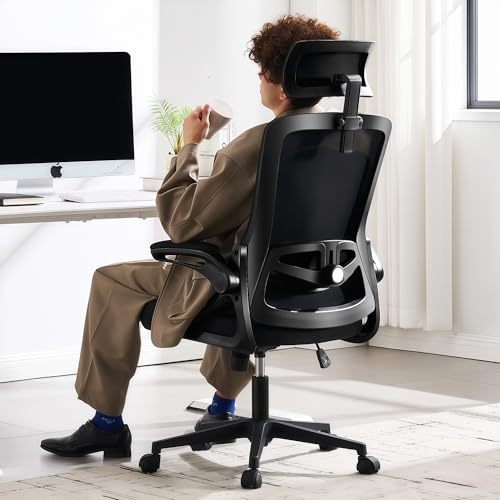
Fizzin Office Chair Mesh Computer Chairs with Adjustable Lumbar Support
- Ergonomic Support: Supports head, back, hips, and arms
- Adjustable Components: Seat height, headrest, backrest, armrests
- Customizable Lumbar & Headrest: Adjust lumbar and headrest positions
As an affiliate, we earn on qualifying purchases.
As an affiliate, we earn on qualifying purchases.
stretching and movement reminder device
As an affiliate, we earn on qualifying purchases.
As an affiliate, we earn on qualifying purchases.