TL;DR
A Tiny Buddha contributor says she was diagnosed with multiple sclerosis in 2014 after an MRI showed more than 30 brain lesions and more than 20 spinal-cord lesions. She reports that her symptoms later receded and that she has had no clinical relapse for more than 12 years, while emphasizing she cannot identify what caused the change and that her experience is not a treatment plan.
A Tiny Buddha contributor says an MRI in 2014 led to a diagnosis of multiple sclerosis after months of neurological symptoms, including falls, numbness and difficulty reading. In a personal essay, she says her symptoms later receded and she has had no clinical relapse for more than 12 years, but stresses she cannot determine what caused the change or offer her experience as a treatment plan.

Get comfort and recovery gear delivered free with Prime
- Fast, free delivery on millions of items
- Prime Video, Amazon Music and more included
- Member-only deals all year
The author writes that she was 31 years old when doctors told her she might have serious difficulty walking within six to 12 months. Before the diagnosis, she had experienced vertigo, loss of coordination, disorientation and bladder problems, among other symptoms. The MRI, she says, showed more than 30 lesions in her brain and more than 20 in her spinal cord. The essay does not name her or provide independent medical records.
Afterward, she changed her nutrition, paid closer attention to digestive health, began meditating and explored yoga, Pilates and, later, strength training. She also examined stress, perfectionism and her desire for control. She reports that symptoms gradually receded and that a later MRI showed no new lesions. She now leads an active life and trains regularly, according to the essay.
The writer says the changes initially became another source of pressure: she sought a perfect diet and routine and treated symptoms as evidence she had made a mistake. Over time, she says, movement helped her rebuild trust in her body. Her account distinguishes taking part in one’s care from blaming oneself for illness or setbacks, and says no single factor can be shown to have produced her improvement.
A Personal Account, Not a Treatment Guide
The essay offers readers a first-person account of living with uncertainty after an MS diagnosis, including the emotional strain of fearing a loss of mobility. Its central point is that hope, for the author, came to mean finding possibilities in the present rather than assuming she could predict or control her future.
That distinction matters because personal stories can be mistaken for evidence that a particular diet, exercise routine or mindset treats a disease. The author explicitly says she cannot establish which changes, if any, contributed to her course. Her experience does not show that lifestyle changes prevent relapses or replace medical care. She argues instead that people can make supportive choices without treating illness as a personal failure.
For readers facing a diagnosis, the account may help frame questions about daily routines, emotional support and participation in care. It is not clinical guidance: decisions about MS treatment and exercise should be discussed with qualified health professionals who know the person’s circumstances.
Products Worth Considering

BowFlex Results Series SelectTech Adjustable Dumbbells, Pair
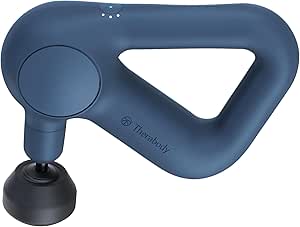
Therabody Theragun Relief Massage Gun, 3-Speed, Navy

Bowflex SelectTech 840 Adjustable Kettlebell
As an affiliate, we earn on qualifying purchases.
From Diagnosis to Daily Movement
The essay places the diagnosis in 2014, after months of symptoms that affected balance, reading and coordination. The author describes having built her adult life around planning and control, and says the prognosis she recalls hearing disrupted that sense of security. The account is retrospective and gives no specific dates for the later MRI or the onset of symptom improvement.
She describes several changes made over time, rather than identifying a single intervention: nutrition, meditation, attention to digestive health and different forms of movement. Yoga and Pilates initially helped her reconnect with movement, she writes, while strength training later helped her see her body as capable as well as vulnerable. She says regular, sustainable habits mattered more to her than pursuing a perfect routine.
The essay’s account is personal, not a clinical case report. It does not give details about medications, other medical care, the specific MS course or the methods used to assess her current condition. Those gaps limit what readers can conclude about how her experience relates to other people with MS.
What the Essay Cannot Establish
The author does not identify what caused her symptoms to recede or her later MRI to show no new lesions. She names several lifestyle changes but says she cannot prove that any one of them—or their combination—produced the improvement. The essay provides no medical records or independent assessment to verify the reported diagnosis, MRI findings or current status.
It also does not specify what treatment or medical monitoring she received, how her symptoms changed over time, or what “no clinical relapse” means in her individual care. The account cannot establish how another person with MS might respond to similar changes. It does not support stopping prescribed treatment or substituting lifestyle practices for medical advice.
The essay describes an ongoing emphasis on regular movement, self-awareness and habits the author can maintain, rather than a new medical intervention or a promised outcome. She says she now trains regularly and tries to notice when fear is shaping her health decisions. No forthcoming milestone, new MRI date or change in treatment is provided.
For readers who want to act on the account, the author’s own caveat is central: her experience is personal and is not a universal treatment plan. Anyone considering changes to exercise, diet or care should discuss them with a health professional, particularly when living with a neurological condition.
Key Questions
What diagnosis did the writer receive?
She says she was diagnosed with multiple sclerosis in 2014, at age 31, after an MRI showed more than 30 lesions in her brain and more than 20 in her spinal cord.
What does she report about her health now?
The author says her symptoms gradually receded, a later MRI showed no new lesions, and she has lived for more than 12 years without another clinical relapse. These are claims in her personal essay, not independently verified findings in the source material.
Does the essay say lifestyle changes caused her improvement?
No. She describes changes to nutrition, meditation and movement, but says she cannot prove that any specific action caused her recovery. She presents the account as personal, not as evidence of a treatment.
Does the author advise readers to replace medical care?
No. The essay says it is not a universal treatment plan and is not a reason to abandon appropriate medical care. Readers should consult qualified health professionals about treatment or changes to their routines.
Source: rss