Creating an ergonomic study space for kids and teens involves choosing furniture that fits their size, with an adjustable chair and a spacious desk to promote good posture. Keep supplies organized and within reach, use natural light or adjustable lamps to reduce eye strain, and minimize distractions by keeping the area tidy. Maintaining a clutter-free environment encourages focus and comfort. If you keep exploring, you’ll discover more ways to make the perfect study setup.
Key Takeaways
- Choose a height-adjustable desk and ergonomic chair to support proper posture for kids and teens.
- Position the study space near natural light and add adjustable lighting for optimal visibility.
- Keep essential study supplies organized and within easy reach to minimize clutter and distractions.
- Arrange the workspace to face away from glare and screens to reduce eye strain and improve focus.
- Maintain a clean, clutter-free environment to promote concentration and long-term health.

Creating an ergonomic study space for kids and teens is essential for promoting comfort, focus, and long-term health. When designing this space, paying attention to desk organization is key. A cluttered desk can distract your child and make it harder to concentrate. Encourage them to keep only essential items like their notebooks, pens, and a few study tools within reach. Use organizers or small containers to keep supplies tidy and easily accessible. A well-organized desk helps maintain focus and reduces stress, making study sessions more productive.
Lighting solutions also play a crucial role in creating an effective study environment. Proper lighting minimizes eye strain and helps maintain alertness. Natural light is ideal, so position the desk near a window if possible. During darker hours or cloudy days, supplement with adjustable LED desk lamps that provide bright, even light without harsh glare. Avoid overly dim or overly bright lighting, as both can cause discomfort and fatigue. Adjustable lighting options allow your child to customize the brightness to their needs, making studying more comfortable and less tiring.
You should also consider the placement of the desk within the room. Position it so that your child faces the natural light source, but avoid direct glare on their screen or books. This setup reduces eye strain and helps maintain focus. Keep the workspace free from distractions by organizing cables and electronic devices neatly, possibly with cable organizers or clips. This not only keeps the area tidy but also prevents accidents or entanglements.
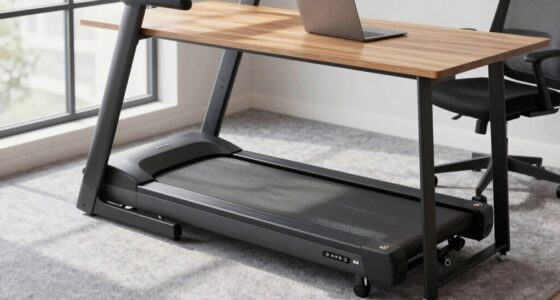
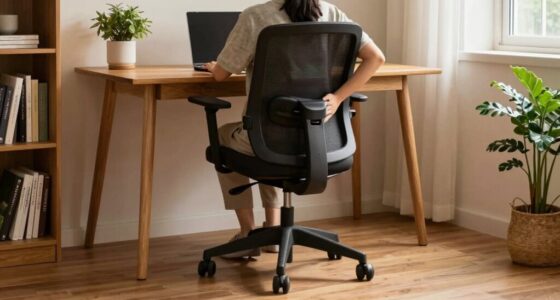
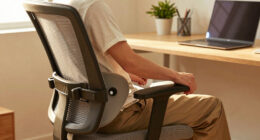
In addition to organization and lighting, paying attention to ergonomic furniture is vital. Choose a desk that fits your child’s height, offering enough space for their materials without feeling cramped. Pair it with an adjustable chair that supports good posture, with feet flat on the floor and back well-supported. Proper ergonomics help prevent discomfort and potential long-term health issues like back pain or repetitive strain injuries. Additionally, ergonomic principles can guide you in selecting the right furniture to ensure your child’s comfort during long study sessions.

ErGear Low Height Adjustable Desk, Lifts 18.9-28.4 Inches, 35 X 20 Inches Electric Standing Desk for Kids, 4 Height Memory Settings & Storage Hooks, Home Office Computer Table & Study Desk, Natural
One-Touch Height-Adjustable Low Desk: Easily adjust the tabletop height from 18.9″ to 28.3″ with a button press. Customize…
As an affiliate, we earn on qualifying purchases.
As an affiliate, we earn on qualifying purchases.
Frequently Asked Questions
How Can Parents Ensure Proper Ergonomic Adjustments Over Time?
You can guarantee proper ergonomic adjustments by establishing regular adjustment routines with your child, checking their workspace frequently. Encourage ergonomic monitoring by observing their posture and comfort during study sessions. Make adjustments as needed to maintain proper alignment, such as seat height or screen position. Staying proactive helps prevent discomfort and promotes healthy habits over time, ensure their study environment remains safe and supportive as they grow.
What Are Affordable Ergonomic Furniture Options for Kids?
Looking for affordable ergonomic furniture options for your kids? You can find budget-friendly desk chairs and study desks that promote good posture and comfort. Opt for adjustable chairs with supportive backrests and flexible height settings, and choose study desks with ample space and ergonomic features. These options help your kids stay comfortable and focused without breaking the bank, making their study time more enjoyable and healthy.
How Does Ergonomics Impact a Child’s Academic Performance?
Maintaining ergonomic posture helps improve your child’s comfort and focus during study sessions, directly impacting their academic success. When your child sits with proper support, they can concentrate longer and reduce fatigue or discomfort. Good ergonomics also promote healthy growth and prevent future issues. By encouraging ergonomic habits early, you’re helping your child develop the skills and confidence needed for better learning, leading to improved academic performance over time.
Are There Specific Ergonomic Guidelines for Different Age Groups?
While one size fits all doesn’t work, you should follow age-specific guidelines that adapt to developmental ergonomics. Younger children need smaller desks and chairs that support their growth, while teenagers require more adjustable furniture to accommodate changing sizes. These guidelines guarantee proper posture, prevent discomfort, and promote focus, helping kids and teens thrive academically. So, tailoring your child’s workspace to their age supports healthy development and long-term well-being.
How Can I Create a Portable Ergonomic Study Space?
To create a portable ergonomic study space, start with a lightweight, adjustable desk or tray that fits comfortably on your lap or a table. Use ergonomic accessories like a supportive cushion, an adjustable laptop stand, and a portable keyboard and mouse to promote good posture. Guarantee your screen is at eye level and take regular breaks. This setup helps maintain comfort and reduces strain during study sessions on the go.

Kids Desk Chair,Ergonomic Study Chair with Adjustable Height,Swivel Mesh Desk Chair with Wheels,Home Office Chair for Children in Home Bedroom Grey
【Ergonomic Desk Chair】Medium-height backrest with back cushion and mesh material is soft and breathable for children's sitting comfort,…
As an affiliate, we earn on qualifying purchases.
As an affiliate, we earn on qualifying purchases.
Conclusion
Creating an ergonomic study space isn’t just about comfort—it’s about transforming your entire learning universe! When you choose the right desk, chair, and setup, you’ll feel like you’ve revealed a secret superpower that boosts focus, prevents pain, and makes studying feel like a breeze. Imagine a space so perfect, it practically fuels your brain like a rocket, propelling you to success! Don’t settle—design your dream study zone today and watch your potential explode!

gianotter Desk Organizers and Accessories with File Holder, 4-Tier Desk Accessories & Workspace Organizers with Drawer and 2 Pen Holder, Paper Organizer for Office Supplies (Pink)
📂【Liberate Your Desk】: The just-right size of the desk organizer expands more space for your desk, easily accommodates…
As an affiliate, we earn on qualifying purchases.
As an affiliate, we earn on qualifying purchases.
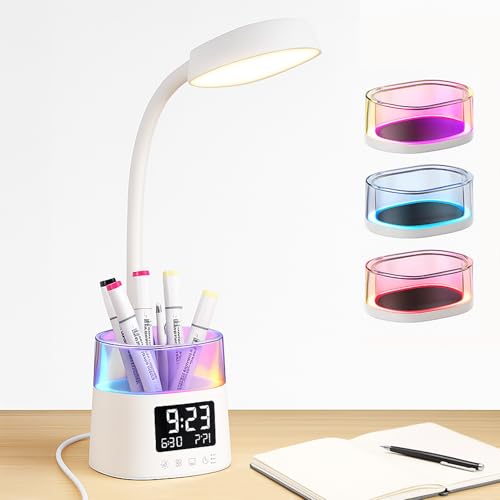
Led Desk Lamp with Pen Holder, Touch Lamps for Nightstand with 3 Color Modes, Eye-Caring Bedside Reading Light with Clock, Office Lamps Stepless Dimming, Lamp for Dorm Room, Suitable for Kid/Girl/Boy
Tailored Illumination. Experience lighting that adapts to your needs with step-less dimming control and 3 specific color temperatures…
As an affiliate, we earn on qualifying purchases.
As an affiliate, we earn on qualifying purchases.