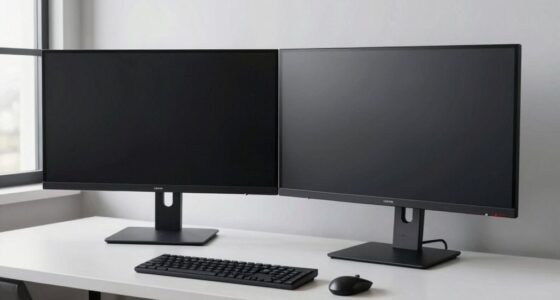
Your chair and desk height need to match closely because even small mismatches can cause discomfort, strain, and long-term health problems. When your feet are flat and your knees are at a 90-degree angle, your posture stays balanced. Adjusting your chair so hips are slightly higher than knees helps distribute weight evenly and reduces back pressure. If you want to understand how proper ergonomic setup can keep you comfortable over time, keep exploring these important tips.

Get comfort and recovery gear delivered free — and shop member deals
- Fast, free delivery on millions of items
- Access to Prime Big Deal Days deals on October 6–7
- Prime Video, Amazon Music and more included
Key Takeaways
- Proper alignment ensures elbows are close to the body with forearms parallel to the floor, requiring precise chair and desk height matching.
- Adjusting chair height so hips are slightly higher than knees promotes balanced posture and reduces strain.
- Desk height should allow feet to rest flat on the ground and knees at a 90-degree angle for optimal comfort.
- Small differences in height can cause shoulder tension, wrist strain, and long-term musculoskeletal issues.
- Regular ergonomic adjustments help maintain proper alignment and prevent discomfort during extended periods of sitting.
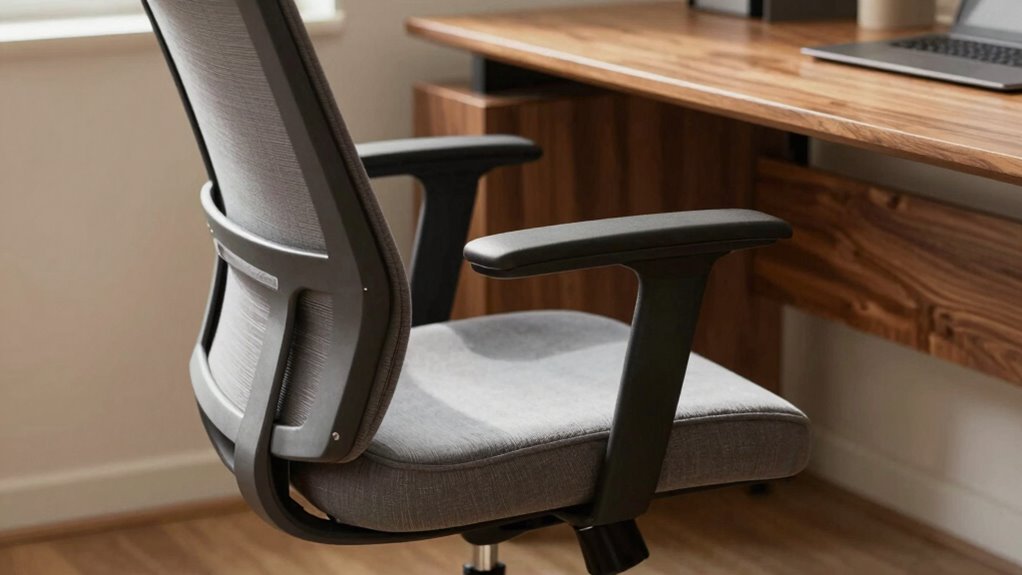
Choosing the right chair and desk height is essential for maintaining comfort and preventing strain during work or study sessions. It might seem simple, but the correct alignment of your seating and workspace can considerably impact your posture and overall well-being. When your chair and desk aren’t properly matched, you risk developing discomfort or even chronic pain. To avoid this, you need to pay close attention to ergonomic adjustments that support a natural, healthy posture.
Start by sitting comfortably with your feet flat on the ground. Your knees should form about a 90-degree angle, and your thighs should be parallel to the floor. If your desk is too high, you’ll find yourself raising your shoulders or leaning forward, which promotes poor posture correction and can lead to neck and shoulder tension. Conversely, if your desk is too low, you’ll hunch over, putting unnecessary strain on your back and wrists. The goal is to find a height that allows your elbows to rest close to your sides with your forearms parallel to the floor. This position reduces the load on your shoulders and minimizes awkward stretches, creating an ergonomic setup that supports proper posture.
Adjusting your chair height precisely is key. When your feet are flat on the floor, and your thighs are parallel to the ground, your chair height should allow your hips to sit comfortably in a neutral position. If your chair is adjustable, raise or lower it until your hips are slightly higher than your knees, encouraging better posture correction. This alignment helps distribute your body weight evenly and reduces pressure on your lower back. An ergonomic adjustment like this isn’t just about comfort; it actively encourages you to sit in a way that’s healthier over long periods. Proper ergonomic setup involves paying attention to these small details to prevent musculoskeletal issues, which can be exacerbated by poor workstation ergonomics. Regularly reviewing and adjusting your setup ensures you maintain optimal posture alignment and avoid developing repetitive strain injuries. Additionally, being mindful of your ergonomic principles can help you identify and correct issues before discomfort becomes chronic. Incorporating musculoskeletal health awareness into your workspace habits can further support long-term comfort and well-being.
Matching your chair and desk heights isn’t a one-time fix; it requires ongoing attention. Small changes in your posture throughout the day can add up, so regularly check and readjust your setup. Keep your keyboard and mouse at a height that allows your wrists to stay straight, avoiding unnecessary strain. Remember, the goal is to create a workspace that feels natural and supports your body’s structure, reducing fatigue and preventing musculoskeletal issues. Proper ergonomic adjustments and consistent posture correction can make a noticeable difference in how you feel after hours of work or study, helping you stay comfortable and focused for longer stretches.
ergonomic adjustable office chair
As an affiliate, we earn on qualifying purchases.
As an affiliate, we earn on qualifying purchases.
Frequently Asked Questions
How Often Should I Adjust My Chair and Desk Heights?
You should adjust your chair and desk heights whenever your posture feels uncomfortable or after sitting for about 30 minutes to an hour. Regular adjustments help maintain good posture tips and prevent strain. Pay attention to your sitting duration and make small tweaks to stay aligned. This proactive approach keeps your neck, back, and shoulders relaxed, reducing fatigue and discomfort during long periods of work or study.
What Are Signs My Chair or Desk Height Is Incorrect?
If your chair or desk height makes you feel like you’re auditioning for a contortionist act, it’s a sign it’s wrong. Aesthetic design doesn’t matter if you’re constantly adjusting or grimacing; material durability is pointless if it’s not ergonomic. Look for discomfort, poor posture, or fatigue—these are your body’s way of saying, “Hey, this setup’s not working!” Adjust to find comfort and prevent long-term aches.
Does Body Type Affect Ideal Chair and Desk Height?
Yes, your body type influences your ideal chair and desk height. You should prioritize posture correction and choose materials that support comfort and durability. If you have a longer torso, you might need a higher chair or desk to prevent slouching. Conversely, shorter individuals benefit from lower setups. Adjusting your workspace based on body type helps maintain proper posture, reduces strain, and improves overall comfort during long work hours.
Are There Ergonomic Standards for Chair and Desk Height?
Think of ergonomic standards like a tailor-made suit—precise for perfect fit. Yes, there are standards for chair and desk height, focusing on ideal posture alignment. These guidelines help prevent discomfort and stress. When selecting furniture, consider material durability for long-lasting support. Proper height adjustment keeps your body aligned, reducing strain. Following these standards ensures your workspace adapts to your needs, much like a well-fitted suit adapts to your body.
Can Adjustable Furniture Improve Long-Term Comfort?
Yes, adjustable furniture can considerably improve your long-term comfort. By customizing your chair and desk height, you promote better posture correction and reduce strain. Incorporate ergonomic accessories, like lumbar supports or footrests, to further enhance comfort. This flexibility helps prevent musculoskeletal issues over time, making your workspace more supportive and adaptable to your body’s needs. You’ll feel more comfortable, focused, and healthier with furniture that adjusts to you.
As an affiliate, we earn on qualifying purchases.
Conclusion
When your chair and desk dance in harmony, your workspace becomes a symphony of comfort and focus. Think of it as tuning an instrument—small adjustments make all the difference. When they match perfectly, your body feels supported, and your mind stays sharp. Don’t let mismatched heights be the sour note. Instead, fine-tune your setup and let your productivity soar like a well-conducted orchestra, turning your workspace into a masterpiece of comfort.
As an affiliate, we earn on qualifying purchases.
desk height adjustable monitor stand
As an affiliate, we earn on qualifying purchases.
As an affiliate, we earn on qualifying purchases.
Fall Picks
fall essentials
As an affiliate, we earn on qualifying purchases.