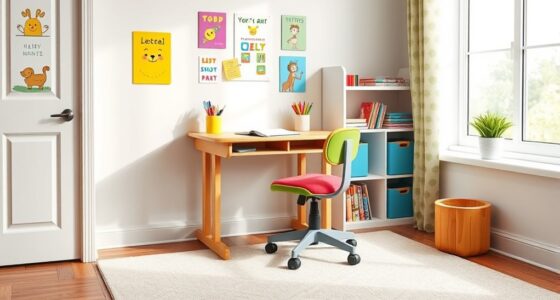
To create a budget-friendly DIY standing desk, choose affordable materials like plywood, reclaimed wood, or sturdy cardboard, and measure carefully to match your ideal height. Use adjustable legs, stacking crates, or height-shifting methods for flexibility. Focus on stability and wide surfaces for comfort. Reinforce joints with screws for durability. Combining these ideas can help you build a practical, ergonomic stand-up desk without overspending—keep exploring for more tips to customize yours perfectly.
Key Takeaways
- Use affordable materials like plywood, reclaimed wood, or sturdy cardboard to keep costs low.
- Measure your workspace and adjust height with adjustable legs or stacking methods for ergonomic comfort.
- Reinforce joints and corners with screws or brackets for stability and safety.
- Customize the design with different materials for aesthetics and functionality without overspending.
- Follow simple assembly tips to ensure a durable, stable desk that promotes better posture and movement.

A DIY standing desk is a practical and cost-effective way to upgrade your workspace and promote better posture. By building your own desk, you gain control over the design, ensuring it fits your height and needs perfectly. One of the main reasons to consider a DIY project is the ergonomic benefits it offers. When you create a desk tailored to your stature, you reduce strain on your neck, shoulders, and back. Properly positioned monitors and keyboards help maintain a natural, comfortable posture, which can alleviate long-term health issues. Plus, designing a desk that encourages movement throughout the day can boost your energy and productivity. Incorporating adjustable elements can further enhance ergonomic comfort and adaptability for different tasks. When choosing material options for your DIY standing desk, you have plenty of affordable, accessible choices. Plywood, reclaimed wood, and even sturdy cardboard can serve as the primary surface, depending on your budget and skill level. Plywood is widely available, lightweight, and easy to work with, making it a popular choice for DIY projects. Reclaimed wood adds a rustic charm and is an eco-friendly option if you have access to old furniture or pallets. If you’re aiming for a lightweight solution, thick cardboard or foam boards can be reinforced to support your setup, though they might not be as durable long-term. For a sturdier, more professional look, you might consider using metal legs or brackets, which you can often find at hardware stores or repurpose from other furniture. Combining different materials allows you to customize your desk’s aesthetic and functional qualities while staying within your budget. Constructing your DIY standing desk involves measuring carefully to match your ideal height, usually around elbow level when standing. You’ll want a stable surface that can support your workspace essentials—monitor, keyboard, mouse, and any additional accessories. Using adjustable legs or stacking materials can help you fine-tune the height. Ensure the surface is wide enough to accommodate your needs comfortably, with enough space to work without feeling cramped. The assembly process is straightforward, but pay close attention to stability—uneven surfaces or weak joints can compromise safety and comfort. Reinforcing corners and joints with screws or brackets enhances durability and ensures your desk stays steady during daily use.

ErGear Electric Stand up Desk Frame,4 Memory Height Settings Height Adjustable Table Legs, Sit Stand Desk Frame Up to 47.2" , Ergonomic Standing Desk Base Workstation, Black Frame Only
Ergonomic Comfort & Height Flexibility: This ErGear electric standing desk frame can enhance your workspace with adjustable desk…
As an affiliate, we earn on qualifying purchases.
As an affiliate, we earn on qualifying purchases.
Frequently Asked Questions
What Materials Are Safest for DIY Standing Desk Construction?
You should prioritize material safety and choose non-toxic options for your DIY standing desk. Opt for solid wood like maple or oak, which are natural and free from harmful chemicals. Avoid pressed wood or particleboard, as they often contain formaldehyde. Look for finishes and adhesives labeled low or zero VOCs to guarantee non-toxic options, making your workspace healthier and safer while staying budget-friendly.
How Do I Ensure Stability in My Homemade Standing Desk?
To guarantee stability in your homemade standing desk, focus on proper weight distribution and stability tips. Use a sturdy, level surface and evenly distribute weight across the desk to prevent wobbling. Reinforce joints with brackets or braces, and consider adding adjustable feet for balance. Secure all parts tightly, and test the desk thoroughly before use. These steps help maintain stability, so your DIY standing desk remains secure and safe.
Can I Adjust the Height Easily After Building?
Can you easily adjust the height after building? Absolutely! Think of your desk as a chameleon, adaptable and flexible. By incorporating simple lock mechanisms, you can effortlessly change the height for comfort and ergonomics. Use adjustable legs or screw-in parts with locking features to make height adjustment straightforward. This way, your DIY standing desk remains versatile, letting you switch between sitting and standing with ease whenever you need.
What Are Budget-Friendly Alternatives to Traditional Desk Parts?
You can find budget-friendly alternatives to traditional desk parts by using recycled materials like old doors, pallets, or sturdy cardboard for the tabletop. For lightweight options, consider plastic crates, aluminum frames, or adjustable shelving units. These choices are affordable, eco-friendly, and easy to customize, helping you craft a functional standing desk without breaking the bank. Plus, they’re simple to modify if you want to adjust the height later.
How to Prevent Wobbling or Tipping Over in a DIY Stand?
To prevent wobbling or tipping over, focus on wobble reduction and tipping prevention by securing all parts tightly and choosing a sturdy base. Use wider, heavier materials at the bottom for stability and add cross-bracing if possible. Make certain your desk surface is level, and consider adjustable feet for uneven floors. Regularly check connections, tighten screws, and distribute weight evenly to keep your DIY standing desk steady and safe.
ErGear Electric Stand up Desk Frame,4 Memory Height Settings Height Adjustable Table Legs, Sit Stand Desk Frame Up to 47.2" , Ergonomic Standing Desk Base Workstation, Black Frame Only
Ergonomic Comfort & Height Flexibility: This ErGear electric standing desk frame can enhance your workspace with adjustable desk…
As an affiliate, we earn on qualifying purchases.
As an affiliate, we earn on qualifying purchases.
Conclusion
Building your own standing desk is like crafting a sturdy ship to sail your daily tasks smoothly through the sea of work. With a little creativity and elbow grease, you turn everyday materials into a reliable vessel that elevates your workspace without sinking your budget. Embrace this DIY journey, and soon you’ll stand tall on a foundation built by your own hands—empowering you to navigate your day with confidence and purpose.
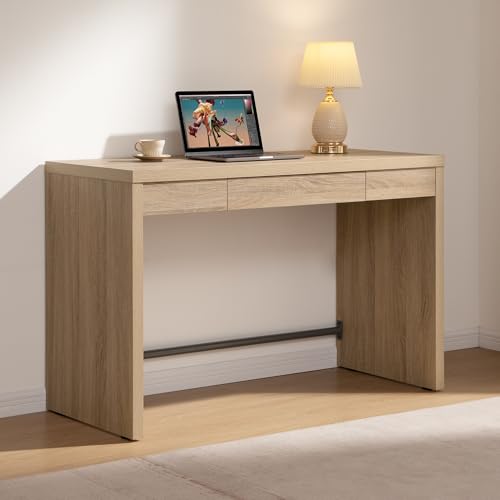
SICOTAS Computer Desk Writing Table – 47-Inch Wooden Study Desk for Bedroom, Farmhouse Home Office Desk with Drawer, Boho Makeup Vanity Table for Dormitory (Reclaimed Light Oak, 1 Piece)
【Built to Last】 Crafted from FSC – certified wood, this wooden desk is designed for maximum stability and…
As an affiliate, we earn on qualifying purchases.
As an affiliate, we earn on qualifying purchases.
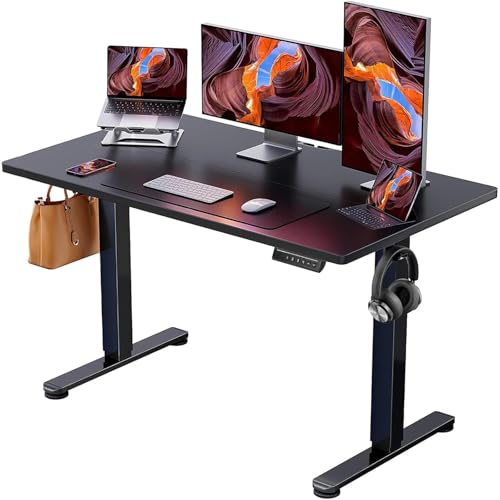
ErGear Height Adjustable Electric Standing Desk, 48 x 24 Inches Sit Stand up Desk, Memory Computer Home Office Desk, Black
Electric Height Adjustable Standing Desk for Comfortable Work – Switch effortlessly between sitting and standing with this electric…
As an affiliate, we earn on qualifying purchases.
As an affiliate, we earn on qualifying purchases.