
Kneeling chairs can be worth it if you’re seeking to improve your posture and reduce back pain, thanks to their ergonomic design that encourages natural spine alignment. They promote active core engagement and can add a modern touch to your workspace. However, they may cause discomfort during long sessions and aren’t suitable for everyone, especially those with joint issues. To decide if they fit your needs, consider both benefits and drawbacks—you’ll find plenty of helpful details ahead.
Key Takeaways
- They promote better posture and spinal alignment, potentially reducing back pain during prolonged sitting.
- Modern designs enhance workspace aesthetics, adding a contemporary, minimalist look to your environment.
- Comfort may vary; some users need time to adjust, and extended use could cause discomfort or strain.
- Not suitable for everyone, especially those with joint issues or mobility limitations; regular breaks are recommended.
- Overall, they offer ergonomic and aesthetic benefits but should be used as part of a balanced sitting and movement routine.
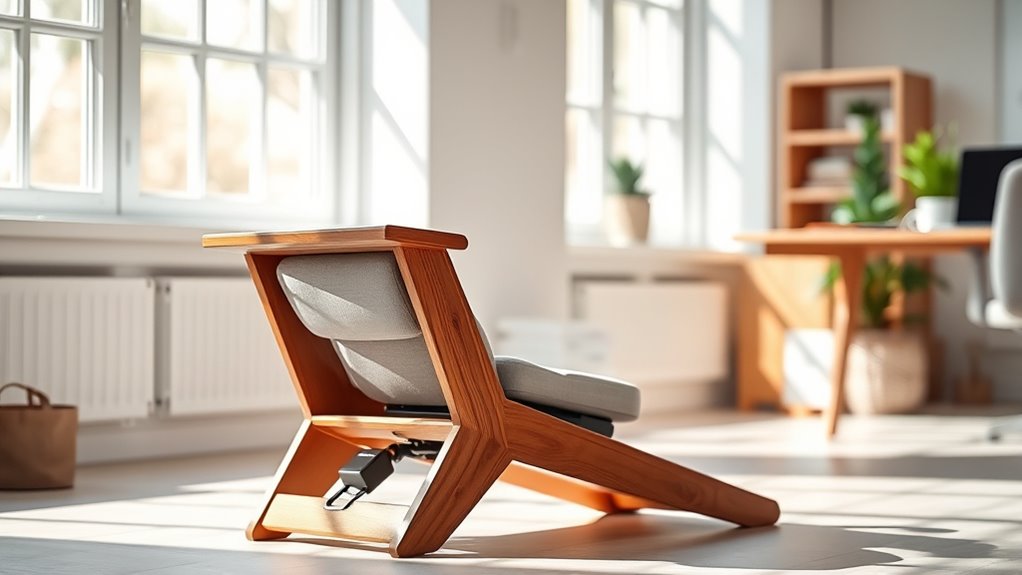
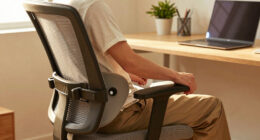
Kneeling chairs have gained popularity as an alternative to traditional office chairs, promising improved posture and reduced back pain. If you’re contemplating switching, you’ll want to know how these chairs can benefit you. One of the main selling points is their ergonomic benefits. Unlike standard chairs that often encourage slouching or leaning forward, kneeling chairs promote a more natural alignment of your spine. By distributing your weight between your shins and pelvis, they help you sit upright without putting excessive pressure on your lower back. This can lead to less strain over time and potentially alleviate chronic back pain. Additionally, using a kneeling chair encourages active engagement of your core muscles, which supports your posture even when you’re seated for long periods. As your muscles work to maintain balance and alignment, you’re less likely to develop the slouching habits that can cause discomfort and long-term issues with traditional chairs. Proper ergonomic design can make a significant difference in the effectiveness of the chair and your overall comfort.
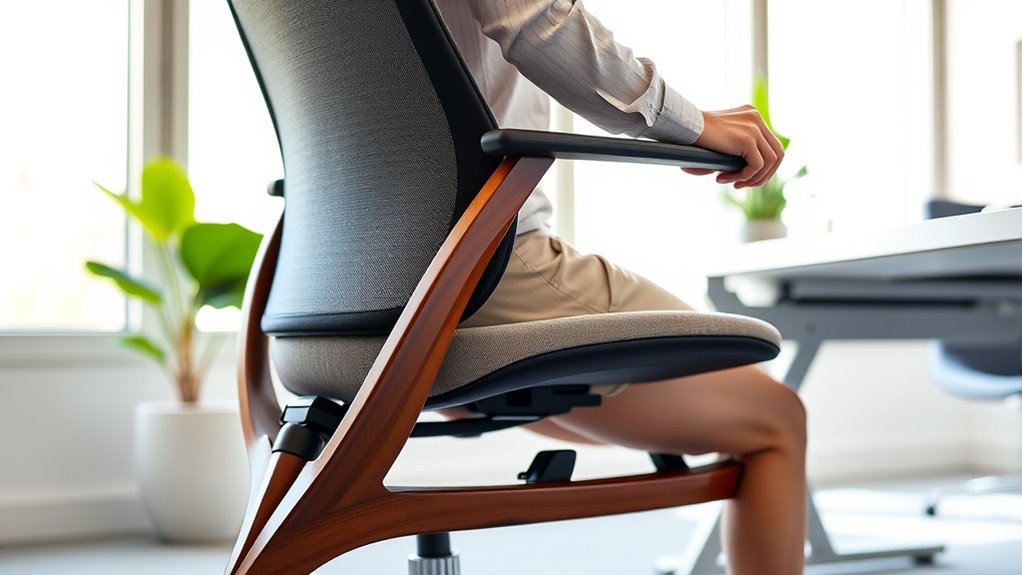
Beyond the ergonomic benefits, many people appreciate the aesthetic appeal of kneeling chairs. They tend to have a modern, sleek look that can add a contemporary touch to your workspace. Their minimalist design often features clean lines and neutral colors, blending well with various interior styles. If aesthetics matter to you, a kneeling chair might elevate the look of your home office or workspace, making it feel more stylish and intentional. Some models even come with adjustable features that allow you to customize the height and tilt, further enhancing their visual appeal and functionality. While traditional office chairs can sometimes appear bulky or outdated, kneeling chairs present a fresh, innovative look that signals a focus on health and modern design.
However, it’s important to recognize that the ergonomic benefits and aesthetic appeal aren’t the only factors to weigh. While many users find kneeling chairs comfortable initially, they may take some getting used to, especially if you have knee or ankle issues. The position can feel unfamiliar and may cause discomfort if used for extended periods without breaks. Also, the aesthetic appeal might not be for everyone—some find the unique look less professional or too unconventional for certain work environments. Overall, if you’re willing to adapt to a different sitting style and prioritize ergonomic benefits and modern design, a kneeling chair could be a worthwhile addition to your workspace. Just remember, like any ergonomic tool, it’s best used as part of a balanced approach to sitting, with regular breaks and movement throughout your day.

NYPOT Ergonomic Kneeling Chair with Adjustable Seats – Knee Chair for Posture Correction & Kneel Rocking Stool for Desk – Back Pain Relief for Home and Office, Supports 250 pounds – 5 Years Warranty
ADJUSTABLE HEIGHT: The ergonomic cushioned seat adjusts smoothly to fit a wide range of user heights and helps…
As an affiliate, we earn on qualifying purchases.
As an affiliate, we earn on qualifying purchases.
Frequently Asked Questions
How Do Kneeling Chairs Impact Long-Term Spinal Health?
Kneeling chairs can positively impact your long-term spinal health by promoting better posture correction and encouraging active muscle engagement. By shifting weight forward, they help reduce pressure on your lower back and strengthen core muscles, which supports your spine. However, if used improperly or for too long, they might cause discomfort or strain. Overall, when used correctly, they can be a beneficial tool for maintaining healthy spinal alignment over time.
Are Kneeling Chairs Suitable for People With Pre-Existing Knee Issues?
Did you know that up to 25% of people with pre-existing knee issues report increased discomfort using kneeling chairs? If you have knee problems, these chairs might raise concerns about knee joint stress and circulation concerns. You should consult your doctor before switching, as kneeling chairs can put extra pressure on your knees, potentially worsening symptoms. it is crucial to weigh these risks carefully before making a decision.
What Is the Average Cost of a Quality Kneeling Chair?
You’ll find that the average cost of a quality kneeling chair varies depending on design variations and ergonomic benefits. Generally, they range from $100 to $300, with higher-end models offering better adjustability and comfort. Investing in a well-designed kneeling chair can enhance posture and reduce back strain, making it a worthwhile expense for improved ergonomic benefits. Consider your needs and budget to choose a chair that provides the best value.
How Often Should I Adjust My Kneeling Chair for Optimal Comfort?
You should adjust your kneeling chair regularly to guarantee maximum comfort and maximize posture benefits. Aim for ergonomic adjustments every 15 to 30 minutes, especially as you shift positions throughout the day. Proper adjustments help maintain good alignment, reduce strain, and support your back. Listen to your body, and if you feel discomfort, make small tweaks to your seat height and knee pad position to stay comfortable and promote better posture.
Can Kneeling Chairs Replace Traditional Office Chairs Entirely?
Imagine a knight’s armor, sturdy yet restrictive—can kneeling chairs fully replace traditional office seats? While they offer ergonomic benefits like improved posture and reduced back strain, they might not suit every task or long work hours. Their aesthetic appeal is modern and sleek, but they may lack the versatility of traditional chairs. Ultimately, kneeling chairs can complement your setup, but probably shouldn’t replace a regular office chair entirely.

Ergonomic Kneeling Chair with Back Support, Height Adjustable Posture Correcting Office Stool, Thick Memory Foam Cushion Desk Chair with Brake Casters for Home Office Back Pain Relief
【Ergonomic Kneeling Chair with Back Support & 3" Mesh Cushion】 Designed to redistribute weight between hips and shins,…
As an affiliate, we earn on qualifying purchases.
As an affiliate, we earn on qualifying purchases.
Conclusion
Ultimately, deciding if a kneeling chair is worth it depends on how it feels against your body’s needs. Picture yourself at your desk, your spine aligned, weight evenly distributed, and comfort wrapping around you like a cozy blanket. If you’re ready to transform your workspace and embrace better posture, a kneeling chair might just be the supportive partner you’ve been searching for. But weigh the pros and cons carefully—your back will thank you.

TUJOBA Modern Ergonomic Saddle Seat Kneeling Chair with Backrest, 360 Degrees Swivel Mobile Angled Posture Stool for Office, Black Leather
【 Ergonomic Design 】 Saddle stool with ergonomic seat design can comprehensively help to correct your postures and…
As an affiliate, we earn on qualifying purchases.
As an affiliate, we earn on qualifying purchases.
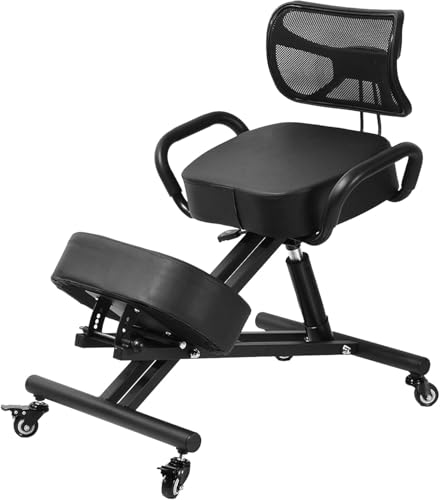
Ergonomic Kneeling Chair with Back Support, Height Adjustable Stool for Home and Office, PU Kneeling Chair for Desk to Relieve Back Discomfort, Thick Moulded Foam Cushions Brake Casters
Improved Seating Design: Our ergonomic kneeling chair features backrest support, designed to deliver ultimate comfort for your back,…
As an affiliate, we earn on qualifying purchases.
As an affiliate, we earn on qualifying purchases.