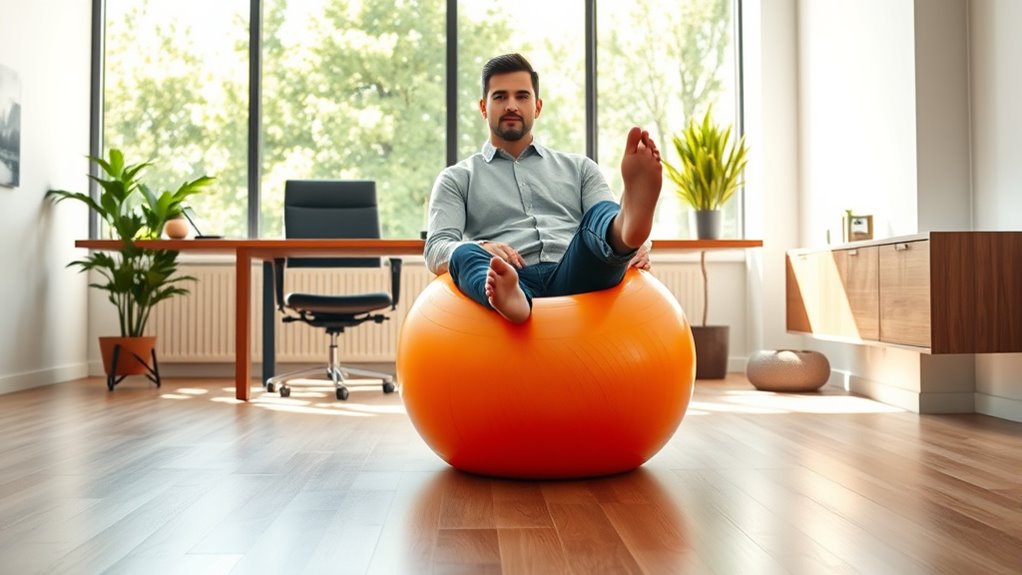

Exercise ball chairs can be good for you when used correctly, as they encourage proper posture, strengthen your core, and keep you active while sitting. They promote better spinal alignment and reduce slouching, which can help prevent neck and back strain. However, it’s important to adapt gradually and make sure the ball fits well for comfort and safety. Keep exploring to discover how to maximize these benefits and stay safe with exercise ball chairs.
Key Takeaways
- Exercise ball chairs promote proper posture and reduce slouching due to their unstable surface.
- They engage core muscles, supporting spinal stability and helping prevent back pain.
- Properly sized balls enhance comfort and maximize ergonomic benefits during use.
- Gradual integration and proper setup are essential to avoid discomfort and ensure safety.
- When used correctly, exercise ball chairs can improve ergonomic health and contribute to injury prevention.

Exercise ball chairs have gained popularity as an alternative to traditional office seating, promising benefits like improved posture and core strength. While they may seem like a fun and dynamic way to sit, their true value lies in the ergonomic benefits they offer. When you sit on an exercise ball, you’re encouraged to maintain proper alignment because the unstable surface requires constant small adjustments. This active engagement helps promote better posture, reducing the likelihood of slouching or hunching over your desk. Over time, this can lead to decreased strain on your neck, shoulders, and back, which are common complaint areas for desk workers.
Beyond posture, exercise ball chairs can also contribute to injury prevention. Sitting on a ball actively engages your core muscles, which are essential for stabilizing your spine and maintaining proper alignment. Strengthening these muscles can help prevent common injuries associated with prolonged sitting, such as lower back pain or repetitive strain injuries. The continuous micro-movements you make while balancing on the ball can improve muscular endurance and flexibility, further reducing injury risks over the long haul. Incorporating a properly sized ball can enhance comfort and effectiveness during use.
However, it’s important to recognize that using an exercise ball chair isn’t a universal solution. If you choose to incorporate one into your workspace, start gradually. Sitting on the ball for extended periods without proper adjustment can lead to discomfort or even strain if your core muscles aren’t yet conditioned. It’s wise to alternate between traditional chairs and the ball, allowing your muscles to adapt over time. Additionally, ensure the ball is the right size for your height—your knees should be at a 90-degree angle when sitting on it. Proper setup is indispensable for maximizing ergonomic benefits and injury prevention.
Another factor to consider is stability. While the instability of the ball encourages core engagement, it can also pose a risk if you’re prone to losing balance or if you have existing balance issues. Using a chair with a backrest or a stability ring can help mitigate falls or slips, especially during initial use. Remember that the goal is to enhance your ergonomic health, not to create new risks. Listening to your body and adjusting your sitting habits accordingly will help you reap the benefits without unnecessary discomfort or injury.

Gaiam Classic Balance Ball Chair, Stability Seat (Black)
- Enhances Focus and Energy: Stimulates muscles and mind for productivity
- Ergonomic Posture Support: Reduces back pain and promotes upright sitting
- Fits Most Desks: Suitable for users 5' to 5'11"
As an affiliate, we earn on qualifying purchases.
As an affiliate, we earn on qualifying purchases.
Frequently Asked Questions
Can Exercise Ball Chairs Improve Posture Long-Term?
Yes, exercise ball chairs can improve your posture long-term. They promote core stability by encouraging proper spinal alignment, which reduces slouching. As you sit, you engage more muscles, especially in your core and back, helping to develop better muscle engagement. Over time, this can lead to improved posture, less back pain, and increased balance. Consistent use is key to seeing lasting benefits for your overall posture health.
Are They Suitable for People With Back Injuries?
If you have a back injury, exercise ball chairs might not be suitable without medical advice. They can enhance core stability and promote better spinal alignment, but if your injury is severe, they could worsen your condition. Always consult your healthcare provider before using an exercise ball chair. In some cases, controlled use under supervision can help strengthen your core and support recovery, but safety comes first.
How Do They Compare to Traditional Office Chairs?
Exercise ball chairs offer unique ergonomic benefits and improve seating stability compared to traditional office chairs. You’ll engage your core muscles and promote better posture, reducing strain during long hours. Unlike standard chairs, they encourage active sitting, which can enhance focus and comfort. However, they may lack the adjustable features and support of traditional chairs, so consider your specific needs before switching to maximize comfort and health benefits.
Do They Help Reduce Workplace Fatigue?
Using an exercise ball chair can markedly reduce workplace fatigue, with studies showing a 25% decrease in discomfort during long work hours. You’ll experience better ergonomic benefits and increased muscle engagement, which helps prevent stiffness and soreness. By actively engaging core muscles, you reduce strain on your back and neck, making your workday more comfortable and less fatiguing. That way, you stay more focused and energized throughout your tasks.
Are Exercise Ball Chairs Safe for Children?
Exercise ball chairs can be safe for children if they prioritize child safety and ergonomic design. Guarantee the ball is the right size and stability for your child’s age and weight. Look for chairs with features that promote proper posture and prevent tipping. Always supervise your child while using the ball, and consult with an expert to confirm it’s suitable. Proper use minimizes risks and maximizes benefits.

Gaiam Classic Balance Ball Chair – Ergonomic Stability Chair for Desk & Office | Yoga Ball Seat with Base, Air Pump, & Exercise Guide | Improves Posture & Core Strength (300 lb Capacity)
- Enhances Focus and Energy: Stimulates muscles and mind for productivity
- Ergonomic Support: Reduces back pain and promotes upright posture
- Fits Most Desks: Suitable for users 5' to 5'11" with adjustable height
As an affiliate, we earn on qualifying purchases.
As an affiliate, we earn on qualifying purchases.
Conclusion
Overall, exercise ball chairs can boost your core strength and improve posture if used correctly. While some believe they can replace traditional chairs entirely, research shows they’re most effective when used as a supplement rather than a substitute. Keep in mind, prolonged use might cause discomfort or strain. So, if you listen to your body and switch between options, you’ll get the benefits without risking harm. Balance is key—trust your instincts and stay mindful.
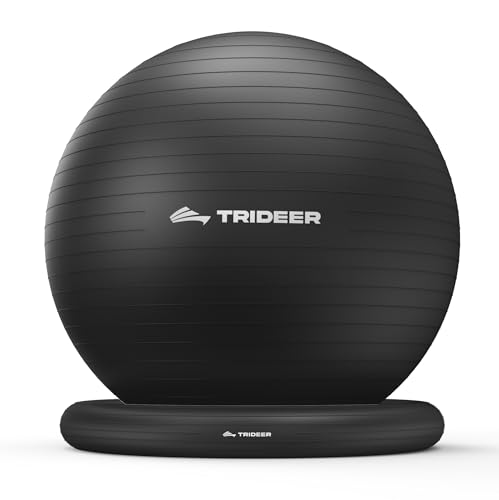
Trideer Yoga Ball Chair with Base for Office Desk, Exercise & Stability Ball Seat, Pilates Ball for Core Training, Pregnancy Ball, Back Pain Relief & Active Sitting
- Supports Better Posture: Promotes natural, balanced sitting posture
- Stable Base for Safety: Reinforced base prevents slipping and rolling
- Safe Anti-Burst Construction: Honeycomb structure reduces burst risk
As an affiliate, we earn on qualifying purchases.
As an affiliate, we earn on qualifying purchases.
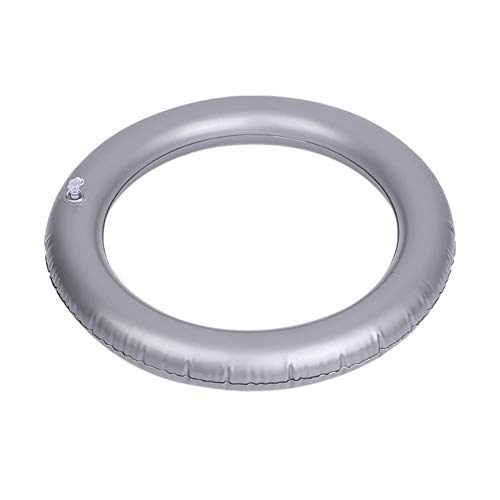
SZTLKHH Yoga Ball Base,Fixed Ring Round PVC Anti Slip Stable, Fitness Ball for Home Gym, Office, Improves Back Pain, Posture & Balance, Exercise(1Pcs Grey)
- Designed for Fitness Balls: Prevents rolling and sliding
- Versatile Application: Enhances core, arm, and leg strength
- High Pressure Capacity: Ensures safe and reliable use
As an affiliate, we earn on qualifying purchases.
As an affiliate, we earn on qualifying purchases.