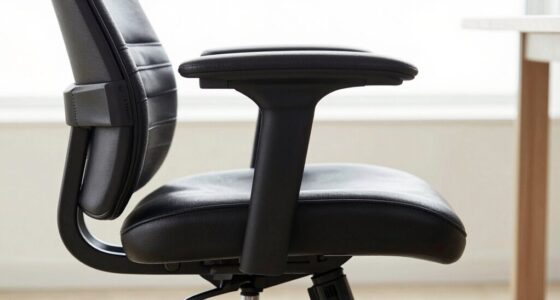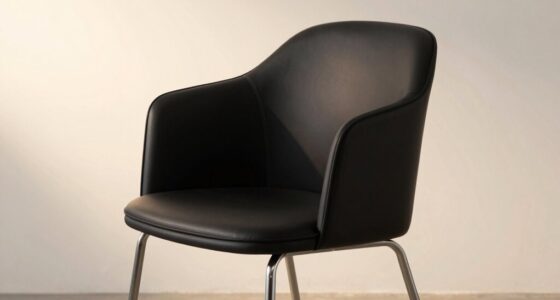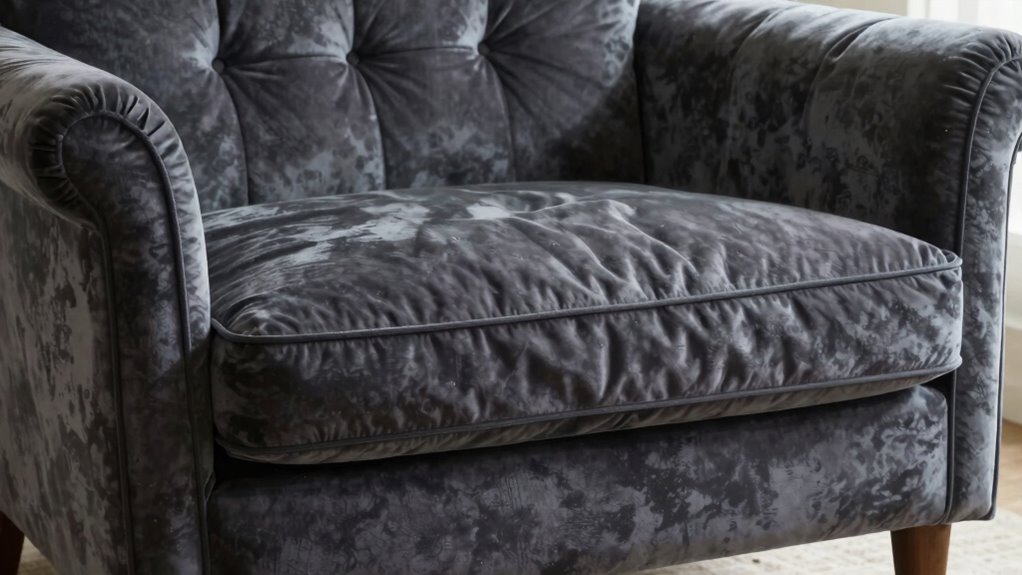

If your chair is too wide, you may feel unstable and constantly shift, which can cause poor posture and muscle strain. Similarly, a narrow chair restricts movement, leading to slouching and circulation issues. Both sizes can worsen discomfort and long-term health problems. Finding the right fit is key for support, comfort, and productivity. Curious how to choose the perfect size? Keep exploring to find out more about balancing style and function.
Key Takeaways
- Wide chairs can cause instability, leading to poor posture and muscle strain similar to overly narrow chairs.
- Both excessively wide and narrow chairs impair natural body alignment, increasing discomfort and long-term health risks.
- Improper sizing, whether too wide or too narrow, limits proper support and restricts movement.
- Both extremes can lead to poor circulation, muscle fatigue, and increased risk of musculoskeletal issues.
- Properly fitting chairs optimize ergonomic support, regardless of width, to promote comfort and health.
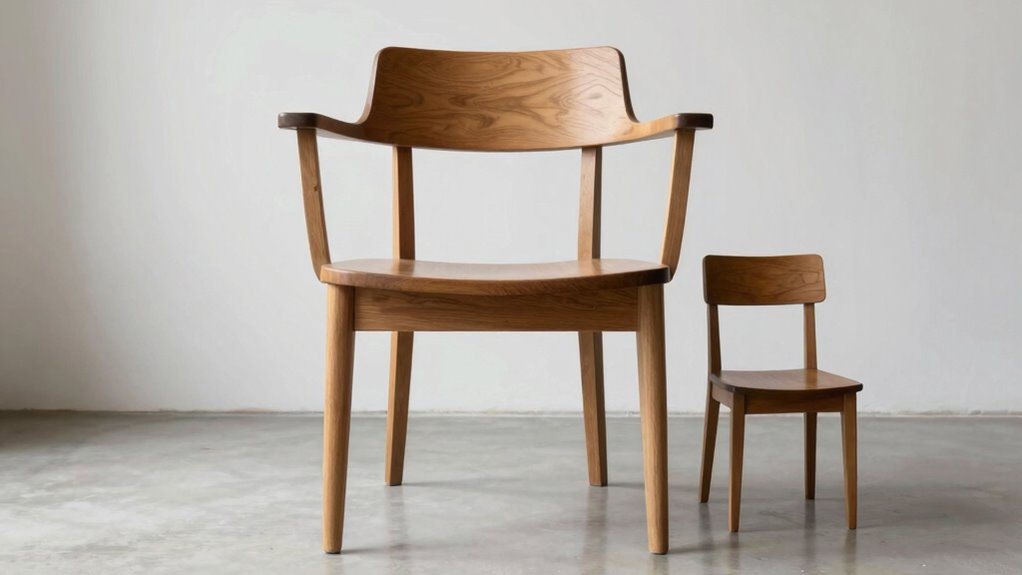
Choosing the right chair size isn’t just about comfort; it’s about ergonomics and posture too. When you sit in a chair that’s too wide, it can cause more harm than you realize. While a narrow chair might feel restrictive, a chair that’s too wide can lead to poor support, discomfort, and even long-term health issues. The key is finding a balance where your body gets the necessary ergonomic support without sacrificing aesthetic appeal.
Choosing the right chair size balances comfort, support, and style for long-term health and productivity.
A wide chair can make you feel unstable, forcing you to stretch or lean awkwardly to reach the armrests or maintain good posture. This misalignment puts strain on your shoulders, back, and neck, leading to discomfort and fatigue over time. The lack of proper ergonomic support means your muscles work harder to keep you upright, which can cause soreness and reduce your overall productivity. You might notice that you’re constantly shifting or adjusting your position, which interrupts focus and diminishes comfort. Additionally, understanding ergonomic principles can help you make better furniture choices that promote health and well-being. Incorporating proper support into your chair selection can significantly improve your comfort and posture during long periods of sitting. Being aware of correct sizing can also help prevent strain and discomfort before they develop. Properly considering your body’s needs is essential for long-term comfort and health.
On the other hand, a chair that’s too small doesn’t provide enough room for movement or proper support. It can cramp your posture, causing you to slouch or lean forward uncomfortably. The mismatch in size can impair circulation, especially if your hips are restricted or your legs are pressed against the edges. Both extremes—too wide or too narrow—disrupt your natural alignment, but the wide chair’s problem lies in instability and lack of support, which compromises your posture.
Additionally, considering the proper size of a chair ensures better long-term health benefits and reduces the risk of developing musculoskeletal issues. Aesthetic appeal also plays a role in your choice. While a stylish, wide chair might look appealing in a modern setting, it’s *vital* that it doesn’t sacrifice function for form. The chair should complement your workspace but still prioritize ergonomic principles. You want a design that enhances the room’s look without making you sacrifice comfort or support. An ill-fitting chair, regardless of how attractive it is, can undermine your productivity and health over time.
Ultimately, choosing a chair that fits your body size means considering both ergonomic support and aesthetic appeal. It’s about selecting a piece that supports good posture, reduces strain, and looks good without making you sacrifice comfort or feeling overly spacious or cramped. The right fit helps you maintain focus, prevents discomfort, and promotes long-term health—all while enhancing your workspace’s overall appearance. Remember, the goal isn’t just style but a balance that supports your body’s natural alignment and keeps you comfortable throughout your day.

MOLENTS Ergonomic Office Chair, Mesh Computer Desk Chairs with Adjustable Lumbar Support, 3D Armrests, Tilt Function, Comfy Wide Seat, Swivel Executive Work Task Chair for Company and Home
【Adjustable Lumbar Support】- The lumbar support of MOLENTS office chair can be adjusted up and down, forward and…
As an affiliate, we earn on qualifying purchases.
As an affiliate, we earn on qualifying purchases.
Frequently Asked Questions
How Do I Measure the Correct Chair Width for My Body?
To measure the correct chair width, sit comfortably with your arms relaxed. Check that chair armrests align with your elbows, supporting your arms without forcing your shoulders up or down. Your chair should promote ergonomic posture, so make certain there is enough space for movement without feeling cramped. Measure the distance between your elbows when resting, adding a little extra space for comfort. This way, you’ll find a chair width that supports good posture and armrest alignment.
What Materials Are Best for Comfortable, Ergonomically Correct Chairs?
Honestly, the best materials for comfort and ergonomics are foam cushioning and lumbar support. You’d think a fancy fabric or leather would do the trick, but foam cushions provide that perfect softness without sacrificing support. Pair it with lumbar support to keep your back happy and healthy. These materials work together to prevent discomfort, making long hours at your desk feel a lot less like a chore—irony’s on the chair, not you.
Can Adjustable Chairs Solve Size Issues Effectively?
Yes, adjustable chairs can effectively solve size issues, especially when you consider options like color choices and brand reputation. With adjustable features, you can customize the fit for your body, ensuring comfort regardless of your size. Look for reputable brands that offer a variety of color options and reliable adjustments. This way, you get a chair that’s tailored to your needs, promoting better posture and reducing discomfort.
How Does Chair Width Impact Spinal Health?
Your chair width impacts spinal health profoundly. If it’s too wide, it can hinder lumbar support and disrupt posture alignment, causing discomfort. Conversely, a narrow chair can squeeze your spine, leading to poor posture and strain. Ideally, your chair should support your lumbar region comfortably, promoting proper posture. Proper width guarantees you maintain spinal health, reduces fatigue, and prevents long-term issues, making it essential for overall back wellness.
Are Custom-Made Chairs Worth the Investment?
Yes, custom-made chairs are worth the investment because they enhance aesthetic appeal and support your unique body shape. You’ll enjoy better comfort and posture, reducing strain on your spine. Plus, with a reputable brand, you get quality craftsmanship and durability, ensuring your chair lasts longer. While they cost more upfront, the improved health benefits and tailored fit make custom chairs a smart choice for your workspace or home.

TRALT Office Chair Ergonomic Desk Chair, 330 LBS Home Mesh Office Desk Chairs with Wheels, Comfortable Gaming Chair, High Back Office Chair for Long Hours (White)
Ergonomic Office Chair: Delivers unparalleled support, designed to fully cradle your head, back, hips, and arms. Customizable lumbar…
As an affiliate, we earn on qualifying purchases.
As an affiliate, we earn on qualifying purchases.
Conclusion
So, steer clear of seats that stretch or shrink your comfort. Choosing a chair that’s just right isn’t just a small decision—it’s a significant step toward better posture and peace of mind. When you select snug or spacious seats, you’re setting the stage for a supportive, satisfying sit. Don’t settle for a seat that’s too slim or sprawling—your comfort counts. Make mindful, measured choices, and let your chair champion your comfort, every single time.
TRALT Office Chair Ergonomic Desk Chair, 330 LBS Home Mesh Office Desk Chairs with Wheels, Comfortable Gaming Chair, High Back Office Chair for Long Hours (Light Grey)
Ergonomic Office Chair: Experience unparalleled support with our ergonomic office chair, designed to provide comprehensive assistance for your…
As an affiliate, we earn on qualifying purchases.
As an affiliate, we earn on qualifying purchases.

HON Ignition 2.0 Mid Back Task Chair, Advanced Synchro-Tilt Control, Office Chair with Lumbar Support, Height and Width Adjustable Arms, Black Frame, Black
ULTIMATE ERGONOMIC DESIGN: This office chair ergonomic desk chair with lumbar support features advanced synchro-tilt recline for comfort…
As an affiliate, we earn on qualifying purchases.
As an affiliate, we earn on qualifying purchases.