Many people set their armrests too high, causing their shoulders to lift and tension to build. This poor setup can lead to discomfort, muscle tightness, and long-term problems like pain or nerve issues. By adjusting your armrests so your elbows are close to your body and bent at a comfortable angle, you can keep your shoulders relaxed and reduce strain. Keep going, and you’ll discover how to optimize your workspace for better comfort and health.
Key Takeaways
- Elevated armrests cause shoulders to lift, increasing muscle tension and risk of discomfort.
- Many people fail to adjust armrests to support elbows at a 90-degree angle, leading to shoulder strain.
- Improper armrest height forces shoulders into a tense position, contributing to long-term musculoskeletal issues.
- Regularly monitoring shoulder comfort can reveal if armrest height is causing unnecessary tension.
- Proper ergonomic setup, including correct armrest height, helps maintain relaxed shoulders and prevents pain.

Many people set their chair armrests too high without realizing the impact on their shoulders, leading to discomfort and long-term pain. When your armrests are positioned too high, your shoulders naturally lift, causing unnecessary tension and strain. This improper setup can also contribute to poor posture and increase the risk of developing musculoskeletal problems over time. Proper ergonomic adjustments are essential for maintaining long-term comfort and health. This poor setup isn’t just uncomfortable—it can lead to chronic issues like shoulder impingement, muscle tightness, and even nerve compression over time. To prevent this, you need to focus on proper ergonomic adjustments that promote good posture and reduce strain.
Start by adjusting your armrests so they support your arms comfortably without forcing your shoulders upward. Your elbows should be close to your body and bent at roughly a 90-degree angle. When you achieve this position, your shoulders stay relaxed, which minimizes muscle fatigue and prevents unnecessary tension. If your chair doesn’t have adjustable armrests, consider adding accessories or switching to a model that allows for fine-tuning. Proper ergonomic adjustments make a significant difference in maintaining proper posture correction, which is essential for long-term comfort and health. Additionally, understanding the importance of ergonomic design can help you make more effective adjustments tailored to your body’s needs.
Adjust armrests so your elbows stay close and bent at 90°, keeping shoulders relaxed and reducing strain.
Pay close attention to how your shoulders feel throughout the day. If you notice tension, tightness, or pain, it’s a sign you need to revisit your ergonomic adjustments. Small changes—like lowering your armrests or changing your chair height—can make a huge difference in posture correction. Incorporating proper ergonomic design into your workspace can significantly improve comfort and reduce strain. Additionally, taking regular breaks to stretch and relax your shoulders further decreases tension and promotes circulation. Being mindful of your workspace setup and making incremental adjustments can help prevent the onset of pain and discomfort. Remember, the right wrist support can also contribute to better overall ergonomic posture.
In essence, setting your armrests correctly isn’t a minor detail. It’s a key part of creating a workspace that supports your body rather than putting it at risk. By adjusting your armrests and ensuring your entire setup promotes proper posture, you’ll not only improve comfort but also protect yourself from shoulder pain and injury down the line. Small, mindful changes can lead to lasting benefits—so take the time to optimize your workspace today.
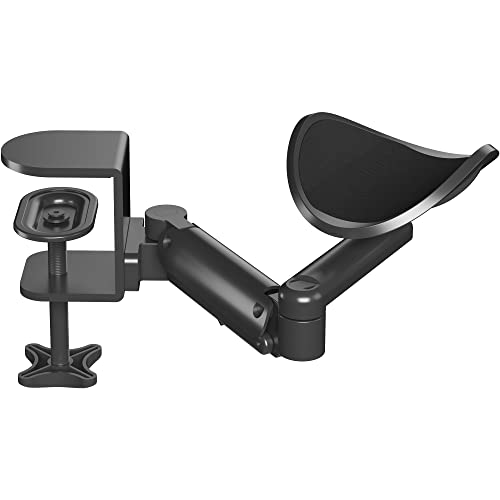
BONTEC Adjustable Arm Rest for Desk, Ergonomic Elbow Rest Pad, 360° Rotating & Extendable Desk Arm Support, Durable Aluminum, Keyboard & Computer Arm Rest Pad, Office & Gaming Desk Accessories
ARM SUPPORT SOLUTIONS – Designed for both left-and right-handed users, this support provides stability for your arm and…
As an affiliate, we earn on qualifying purchases.
As an affiliate, we earn on qualifying purchases.
Frequently Asked Questions
How Do I Know if My Armrest Height Is Correct?
You can tell if your armrest height is correct by checking your seating posture. Your arms should rest comfortably at a 90-degree angle, with shoulders relaxed. Use ergonomic tips to adjust the armrests so they support your forearms without elevating your shoulders. If you experience tension or your shoulders lift, the armrests are too high. Properly adjusted armrests promote comfort and help prevent strain during long sitting periods.
Can Improper Armrest Height Cause Long-Term Shoulder Issues?
Yes, improper armrest height can cause long-term shoulder issues. When your armrests are too high or too low, you might adopt an awkward ergonomic posture, which strains your shoulders. Over time, this can lead to muscle fatigue and tension. To prevent this, adjust your armrests so your shoulders stay relaxed and your elbows form about a 90-degree angle, helping you avoid long-term discomfort and shoulder problems.
What Are Signs of Shoulder Strain From Armrest Positioning?
You might notice signs of shoulder strain from improper armrest positioning, like persistent muscle tension, soreness, or stiffness in your shoulders and neck. You may also feel limited range of motion or discomfort when maintaining an ergonomic posture. These symptoms indicate your shoulders are overworking to compensate for armrests that are too high or poorly adjusted, leading to long-term issues if ignored. Adjusting your armrest height can help alleviate these signs.
Are Adjustable Armrests Suitable for All Chair Types?
Adjustable armrests are generally suitable for most chair types because of their ergonomic design, which promotes better posture and comfort. However, you should check chair compatibility before purchasing, as some chairs may not support the adjustment mechanisms or design features. Ensuring the armrests can be properly adjusted to your height helps reduce shoulder strain and enhances overall ergonomic benefits, making them a versatile choice for many chairs.
How Often Should I Adjust My Armrest Height During Work?
You should adjust your armrest height at least once every hour to maintain ideal armrest ergonomics and workplace comfort. If you notice your shoulders tensing, your arms feeling strained, or your posture slipping, it’s time to tweak the height. Regular adjustments prevent discomfort and promote better ergonomics, helping you stay focused and pain-free. Think of it as fine-tuning your workspace to keep your body happy and efficient all day long.

Marsail Ergonomic Office Chair: Office Desk Chair with High Back Mesh and Adjustable Lumbar Support Rolling Work Swivel Task Chairs with Wheel 3D Armrests and Headrest
Fully Adjustable Office Chair: Customized chairs, featuring with an adjustable 2D headrest, backrest with 90° to 120° recline,…
As an affiliate, we earn on qualifying purchases.
As an affiliate, we earn on qualifying purchases.
Conclusion
So, next time you sit down, think of your shoulders like a delicate garden—just like plants need the right support to thrive, your posture needs the right armrest height. Adjust your armrests so they’re just right, not too high or low, and give your shoulders a break. When you do, you’ll feel more relaxed, like a breeze on a spring day, and avoid unnecessary pain. Your shoulders will thank you for the little change!

BEAUTRIP Ergonomic Armrest Pads- Office Chair Arm Rest Cover Pillow – Elbow Support Cushion for Computer, Gaming and Desk Chairs (Set of 2)
👍 【Premium Memory Foam with Cooling Gel Pad Top】 — The inner core of BEAUTRIP office chair arm…
As an affiliate, we earn on qualifying purchases.
As an affiliate, we earn on qualifying purchases.
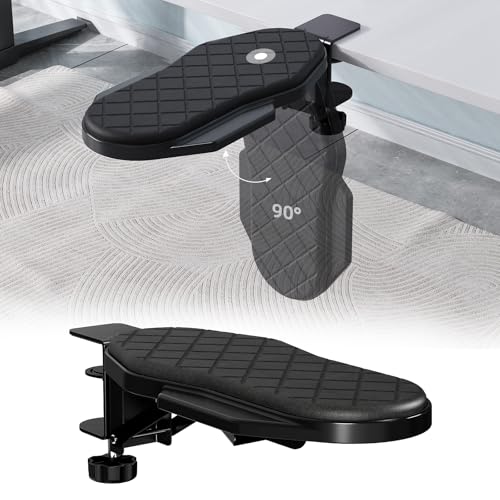
CABTE Ergonomics Desk Extender Tray, Table Mount Arm Wrist Rest Shelf, 90° Foldable Elbow Arm Support,Foldable, Swivel, Computer Desk Extender Tray for Home and Office (Foldable Model)
Ergonomic design: CABTE arm rest extends from the desk, fully supporting and relaxing your arm so as to…
As an affiliate, we earn on qualifying purchases.
As an affiliate, we earn on qualifying purchases.