
TL;DR

Get comfort and recovery gear delivered free with Prime
- Fast, free delivery on millions of items
- Prime Video, Amazon Music and more included
- Member-only deals all year
A detailed teardown of a supposedly generic 7-port USB 3.0 hub revealed it was not a genuine product. The discovery highlights concerns over counterfeit or misrepresented tech accessories. The full implications are still unfolding.
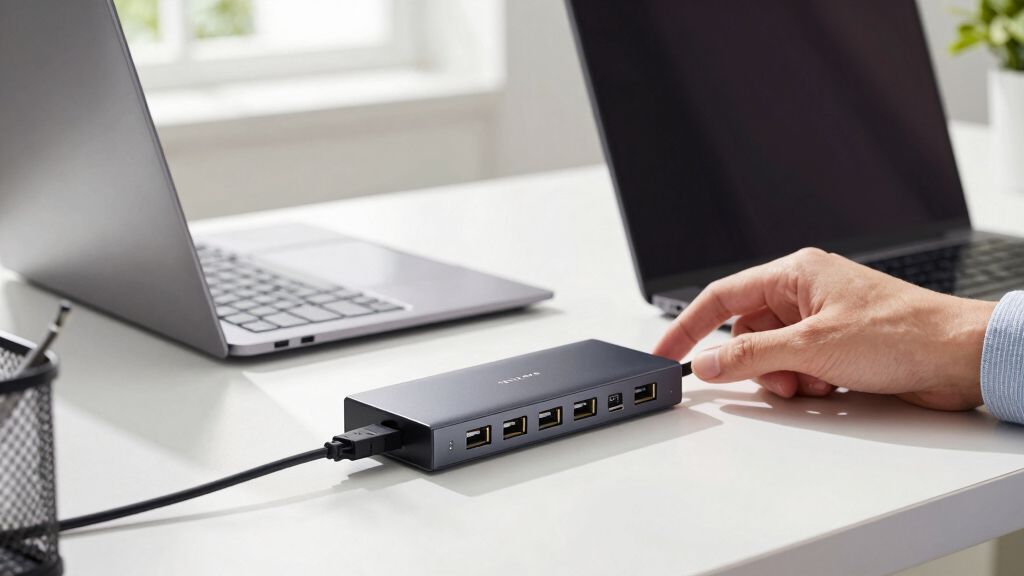
A recent teardown of a 7-port USB 3.0 hub marketed as a generic accessory revealed that the device was not what it appeared to be. The investigation uncovered that the product was not a genuine or standard hub, raising concerns over counterfeit or misrepresented electronics. This discovery matters because consumers rely on product authenticity for safety and performance, especially with accessories connected to critical devices.
The teardown was conducted by electronics researcher [Name, if available], who purchased the device from an online retailer claiming it was a generic 7-port USB 3.0 hub. Upon disassembly, the researcher found that the internal components did not match typical USB hub circuitry. Instead, the device contained a minimal circuit board with questionable components and lacked the expected integrated circuits found in genuine hubs. The external casing appeared standard, but the internal build raised doubts about its functionality and safety.
Further testing indicated that the device did not reliably support all 7 ports simultaneously at USB 3.0 speeds, as advertised. Experts suggest that the internal components may not meet the necessary standards for data transfer or power delivery, potentially risking damage to connected devices or data loss. The manufacturer or seller has not responded to inquiries, and the product remains available online, raising concerns about consumer protection.
Implications for Consumer Electronics Safety
This discovery underscores the risks consumers face when purchasing seemingly generic or inexpensive tech accessories online. Fake or misrepresented USB hubs could pose safety hazards, including electrical faults, data security issues, or damage to connected devices. The incident highlights the importance of verifying product authenticity and purchasing from reputable sources, especially for accessories that interface directly with computers and sensitive data.
Products Worth Considering

Therabody Theragun Relief Massage Gun, 3-Speed, Black

Therabody JetBoots Prime Wireless Compression Boots – Short (under 29 inseam)

Levoit Core 400S-P Smart Air Purifier for Large Rooms
As an affiliate, we earn on qualifying purchases.
Rise of Counterfeit Tech Accessories in Online Markets
The proliferation of counterfeit and misrepresented electronics has been a growing concern over the past few years, particularly in online marketplaces. Many consumers seek affordable alternatives to branded products, but this often leads to the purchase of unverified or substandard items. USB hubs are among the common accessories targeted by counterfeiters due to their widespread use and high demand. Prior incidents have shown that such products can sometimes fail prematurely or cause damage, emphasizing the need for consumer vigilance.
Extent of Potential Risks and Manufacturer Identity
It is not yet clear who manufactured the device or whether similar products are being sold under different branding. The full scope of potential safety hazards remains unconfirmed, as no formal testing or safety certification has been reported. Additionally, the long-term reliability of such devices is unknown, and further investigations are needed to assess the risks comprehensively.
Monitoring for Similar Counterfeit Products and Consumer Advisories
Authorities and consumer protection groups are expected to investigate the source of the device and whether other similar products are circulating in the market. Manufacturers and retailers are likely to issue warnings or recalls if safety concerns are confirmed. Consumers are advised to purchase electronic accessories from reputable vendors and verify product authenticity before use.
Key Questions
How can I verify if my USB hub is genuine?
Check for official branding, packaging, and purchase from reputable sources. If in doubt, consult the manufacturer’s website or contact customer support to verify authenticity.
Are fake USB hubs dangerous?
Fake or misrepresented USB hubs may pose safety risks, including electrical faults, data loss, or damage to connected devices. Use caution and verify products before connecting them to sensitive equipment.
What should I do if I suspect I bought a counterfeit device?
Stop using the device immediately, contact the seller for a refund or replacement, and report the issue to consumer protection authorities or relevant platforms.
Will this affect other similar products?
It is possible. Authorities may investigate further, and consumers should remain vigilant when purchasing electronic accessories online.
Source: hn