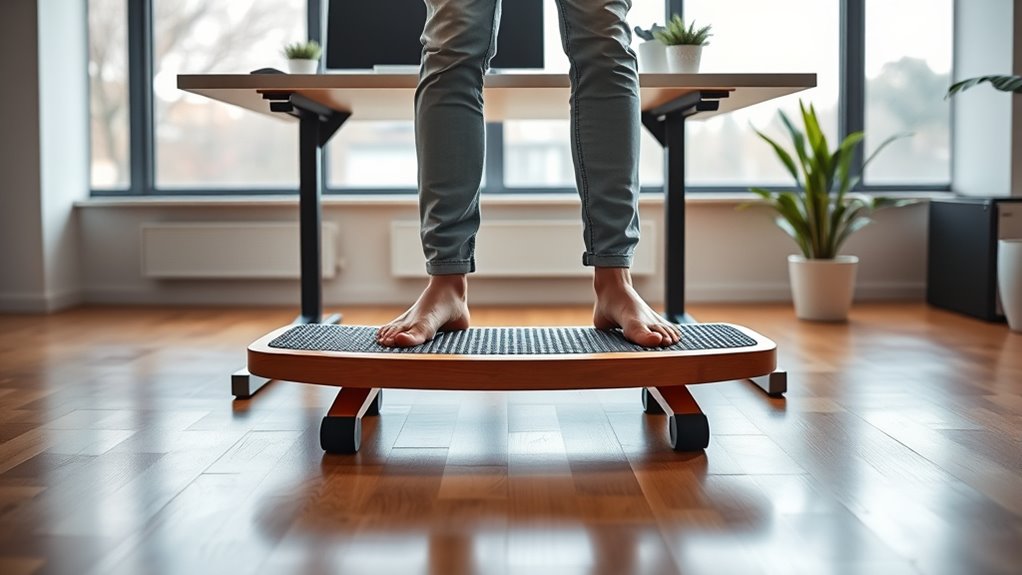

Using a balance board at your standing desk can boost your ergonomic health by engaging core muscles, improving posture, and promoting better movement habits. It encourages micro-movements that reduce strain on your neck, shoulders, and back while enhancing proprioception and overall stability. However, it’s important to start gradually and use proper technique to avoid falls or injuries. Staying cautious guarantees you gain the benefits—keep going to learn how to do it safely.
Key Takeaways
- Balance boards promote better posture and core engagement, reducing strain during standing desk use.
- They enhance movement and proprioception, helping prevent stiffness and improving overall stability.
- Using balance boards can increase blood flow, reducing fatigue and discomfort over long periods.
- Proper technique and gradual use are essential to avoid falls and injury risks.
- When used correctly, balance boards support ergonomic health and long-term musculoskeletal well-being.
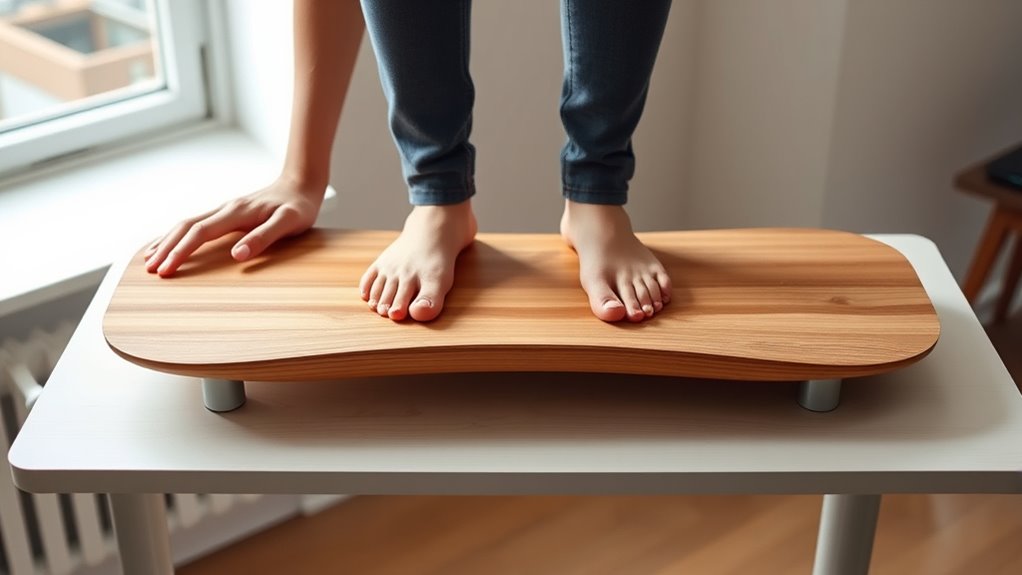
Using a balance board at your standing desk can boost your posture, increase movement, and help prevent fatigue during long work hours. When you incorporate a balance board into your daily routine, you’re actively engaging your core and lower body muscles, which offers significant ergonomic benefits. Unlike static standing, where you might unknowingly adopt poor posture for extended periods, a balance board encourages continuous subtle adjustments. These micro-movements help align your spine properly, reducing strain on your neck, shoulders, and back. As a result, you’re less likely to develop musculoskeletal issues over time. Additionally, the dynamic nature of a balance board fosters better posture habits naturally, making it easier to maintain proper ergonomics throughout the day. Incorporating ergonomic principles into your setup can further enhance these benefits and promote long-term comfort. Beyond posture, using a balance board can be a proactive step toward injury prevention. Prolonged static standing can lead to discomfort, stiffness, and even long-term issues like varicose veins or lower limb fatigue. A balance board keeps your muscles engaged, promoting blood flow and reducing the risk of these problems. It also helps prevent repetitive strain injuries that often occur from holding unnatural positions for too long. By constantly shifting your weight and making small adjustments, you’re less likely to develop the kind of repetitive stress injuries associated with prolonged standing or poor ergonomic setups. This continuous movement not only protects your joints and muscles but also encourages healthier movement patterns that can carry over into other activities. Moreover, adapting to a balance board can enhance proprioception—the awareness of your body’s position in space. This heightened awareness contributes to better coordination and balance, which can prevent falls or accidents, especially if you tend to shift or fidget during long work sessions. The added stability challenge of a balance board trains your stabilizer muscles, making you more resilient to sudden movements or slips. Over time, this can translate into improved physical resilience, reducing injury risks both at your desk and in daily life. However, it’s essential to start gradually. Using a balance board without proper technique or without building up your strength could lead to minor strains or falls. Always ensure your workspace is clear of obstacles, and consider beginning with shorter sessions. As your balance and strength improve, you’ll find it easier to enjoy the ergonomic benefits while minimizing injury risks. Ultimately, incorporating a balance board into your standing desk setup offers a smart way to promote healthier posture, prevent injuries, and make your workday more dynamic.

Trobing Standing Desk Mat Balance Board with Rollerball, Wooden Wobble Anti Fatigue Mat Balance Board for Standing Desk, Home Office Non-Slip Comfort Floor Mat to Relieve Foot, Knee, and Back Pain
Exclusive Design: Built-In 360° Foot Massage Ball
As an affiliate, we earn on qualifying purchases.
As an affiliate, we earn on qualifying purchases.
Frequently Asked Questions
Can Balance Boards Improve Core Strength Over Time?
Using a balance board can definitely improve your core strength over time. As you stand and maintain balance, you engage your core muscles, encouraging better core engagement and muscle activation. This continuous effort helps strengthen your stabilizer muscles, enhancing overall stability. Regular use challenges your body, leading to increased core strength and endurance, making your posture more resilient and reducing fatigue during daily activities.
Are Balance Boards Suitable for People With Joint Issues?
Thinking of hopping on a balance board with joint pain or arthritis concerns? Well, good luck balancing your way to comfort! Balance boards can be tricky and may worsen joint issues if you’re not careful. You might end up with more pain instead of gains. If joint pain is your companion, it’s smarter to consult a healthcare pro before risking more arthritis concerns on an unstable surface.
How Quickly Can I Expect to See Posture Improvements?
You might notice improved posture alignment within a few days to weeks of using a balance board regularly. The ergonomic benefits help strengthen stabilizer muscles, encouraging better alignment. Consistent use challenges your core, promoting better posture over time. Remember, individual results vary depending on your commitment and existing habits. Stay persistent, and you’ll likely see gradual improvements in your overall posture and comfort during long hours at your standing desk.
Do Balance Boards Interfere With Typing or Mouse Use?
Balance boards can initially feel like they interfere with typing or mouse use, but with proper ergonomic adjustments and desk customization, you’ll find a comfortable setup. As you get used to the balance board, it encourages better posture and core strength, which can improve your overall workflow. Start with small adjustments, and soon, the balance board becomes a seamless part of your workspace, enhancing your health without disrupting your productivity.
What Are the Safety Precautions for Beginners?
You might think balance boards are risky, but with proper safety precautions, you can build ankle stability and manage risks effectively. Start on a soft surface, hold onto a sturdy support, and begin with short sessions. Always wear supportive shoes and avoid challenging terrains until you gain confidence. This approach helps prevent falls, enhances ankle strength, and guarantees safe, effective use as you improve your balance skills.
Trobing Standing Desk Mat Balance Board with Rollerball, Wooden Wobble Anti Fatigue Mat Balance Board for Standing Desk, Home Office Non-Slip Comfort Floor Mat to Relieve Foot, Knee, and Back Pain
Exclusive Design: Built-In 360° Foot Massage Ball
As an affiliate, we earn on qualifying purchases.
As an affiliate, we earn on qualifying purchases.
Conclusion
So, as you consider adding a balance board to your standing desk, remember that sometimes the smallest change can make a big difference. Coincidentally, many users find that it not only improves their posture but also sparks creativity during those long work hours. It’s funny how a simple shift in your routine can unexpectedly boost your comfort and focus. Ultimately, whether or not you stick with it, you’ll discover what truly works best for you.
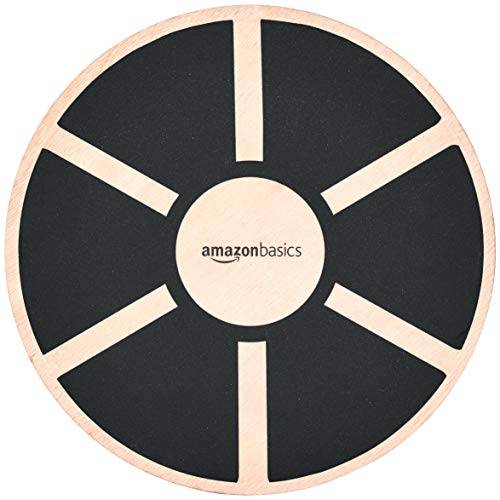
Amazon Basics Wood Wobble Balance Trainer Board, Slip Resistant, for Exercise and Core Strength, 265 lb Weight Capacity, Black
Black balance board can help improve core strength, coordination, posture, and balance
As an affiliate, we earn on qualifying purchases.
As an affiliate, we earn on qualifying purchases.

Balance Board for Adults – Stability Trainer for Home Workouts, Core Strength, and Coordination – Compact Balance Exercise Equipment for Fitness and Physical Therapy – Circular, Black
Total-Body Stability Training – Improve balance, engage your core, and build functional strength with the ENERGI CORE Brand…
As an affiliate, we earn on qualifying purchases.
As an affiliate, we earn on qualifying purchases.