Your choice of anti-fatigue mat thickness is more important than most buyers realize because it directly impacts your comfort, support, and ergonomic health during long standing periods. Thicker mats provide better cushioning and help reduce fatigue, strain, and discomfort by supporting your feet, legs, and back. Cutting corners with a thinner or low-quality mat can lead to fatigue and long-term issues. Keep going to discover how to pick the ideal thickness for lasting comfort and support.
Key Takeaways
- Thicker mats provide superior cushioning, reducing fatigue and pressure on muscles during prolonged standing.
- Proper thickness enhances ergonomic support, promoting better posture and minimizing musculoskeletal risks.
- Material quality combined with thickness determines durability and sustained support over time.
- Overly thin mats may fail to prevent discomfort, regardless of material, emphasizing the importance of thickness.
- Balancing thickness with material quality ensures long-term comfort, safety, and ergonomic benefits.

Choosing the right thickness for an anti-fatigue mat is essential for maximizing comfort and reducing fatigue during long periods of standing. When you select the appropriate thickness, you’re not just investing in comfort—you’re also optimizing ergonomic benefits that can improve your overall well-being. Thicker mats tend to provide better cushioning, which helps alleviate pressure on your feet, legs, and lower back. This reduction in strain can lead to increased productivity and decreased discomfort throughout your workday. Conversely, a mat that’s too thin might not offer sufficient support, leaving you vulnerable to fatigue and discomfort that can accumulate over time. Regular use of mats with appropriate thickness can also contribute to better posture and reduce the risk of musculoskeletal issues.
Choosing the right thickness enhances comfort, reduces fatigue, and supports long-term ergonomic health during extended standing.
Material durability is another critical factor to consider alongside thickness. A durable material ensures that your anti-fatigue mat maintains its supportive properties even after extended use. You want a product that can withstand the wear and tear of daily activity without losing its cushioning or shape. High-quality materials like rubber or foam are often preferred because they combine durability with flexibility, ensuring the mat remains supportive and effective over the long term. When you choose a thicker mat made from durable material, you’re investing in a product that offers consistent ergonomic benefits day after day, without the need for frequent replacements. Additionally, understanding material durability can help you select a product that maintains its support over time, preventing premature flattening or degradation.
The balance between thickness and material durability is key. Too thick a mat made from low-quality material may become compressed quickly, losing its supportive qualities and negating the ergonomic benefits you’re seeking. On the other hand, a thinner mat with high durability might not provide enough cushioning, especially if you stand for hours at a stretch. It’s essential to evaluate your specific needs—consider your standing duration, the nature of your work surface, and the type of material used. A thicker, well-made mat can absorb shock and reduce fatigue more effectively, but only if it’s constructed from durable material that maintains its shape and support over time. Furthermore, considering your standing position can influence the ideal thickness for optimal comfort. When selecting your mat, paying attention to material composition can help ensure you’re choosing a product that combines support with long-lasting durability.
By understanding ergonomic benefits, you can better appreciate how the right combination of thickness and material quality contributes to your overall comfort and health. In the end, choosing the right thickness isn’t just about comfort; it’s about ensuring long-term ergonomic benefits and material durability. When you prioritize these factors, you’re creating a safer, more comfortable environment that helps you stay focused and productive. Additionally, selecting a supportive and durable mat can help prevent fatigue-related injuries and improve your standing experience over time. By understanding the interplay between thickness and material quality, you can make an informed decision that provides lasting support, reduces fatigue, and enhances your overall standing experience.
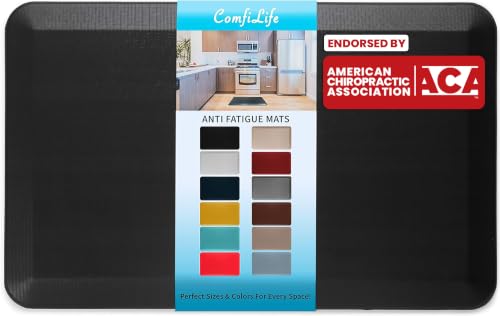
ComfiLife Anti Fatigue Floor Mat – 3/4 Inch Thick Kitchen Mats for Floor, Standing Desk Mat, Kitchen Rug – Comfort at Home, Office – Durable – Stain Resistant – Non-Slip Bottom (20" x 32", Black)
Exceptional Comfort Anti Fatigue Mat: ComfiLife kitchen mats for floor enhance comfort while standing. It is professionally engineered…
As an affiliate, we earn on qualifying purchases.
As an affiliate, we earn on qualifying purchases.
Frequently Asked Questions
How Do I Measure the Appropriate Thickness for My Workspace?
To measure the appropriate thickness for your workspace, consider your ergonomic needs and the material’s flexibility. Thicker mats offer better fatigue relief but might reduce stability, so choose a balance that supports comfort without sacrificing safety. Test different thicknesses if possible, guaranteeing the mat provides enough cushion for prolonged standing while allowing flexibility for movement. This helps maximize ergonomic benefits and ensures the mat suits your specific working conditions.
Does Thicker Always Mean Better for Anti-Fatigue Mats?
Thicker anti-fatigue mats aren’t always better; sometimes, they’re just adding bulk. You need to take into account material composition and ergonomic design, which impact comfort and durability more than thickness alone. A well-made, properly designed mat provides the support your feet need without sacrificing flexibility. Think of it like a good pair of shoes—comfort depends on more than just size. Prioritize quality, not just thickness, for the best results.
Can Thicker Mats Cause Stability Issues?
Thicker mats can cause stability issues if they lack proper material flexibility, making them feel unstable or bouncy underfoot. While they offer ergonomic benefits by reducing fatigue, overly thick mats may compromise balance, especially on uneven surfaces. To avoid this, choose mats with the right balance of thickness and flexible material, ensuring both comfort and stability. Properly designed thicker mats can still provide excellent ergonomic support without sacrificing stability.
Are There Industry Standards for Anti-Fatigue Mat Thickness?
Like a knight’s armor, industry standards guide anti-fatigue mat thickness, typically ranging from 1/4 inch to 1 inch, depending on material composition. These standards guarantee safety and comfort, but you must balance cost considerations too. Thicker mats often cost more but provide better cushioning, while thinner ones might save money but compromise durability. Check relevant OSHA guidelines for specific industry requirements to make the best choice for your workspace.
How Does Thickness Affect the Durability of the Mat?
Thicker mats generally last longer because their material composition can withstand more wear and tear. When you choose a thicker mat, you’re investing in durability, which can reduce replacement costs over time. However, consider your specific environment and budget, as increased thickness often means higher upfront costs. Balancing material quality and thickness guarantees you get a durable, cost-effective anti-fatigue mat that meets your needs.

FEATOL Anti Fatigue Mat for Standing, 9/10 Extra Thick Ergonomic Standing Desk Mat, Comfort Memory Foam Standing Mat at Home,Office All Day (20" x 32", Black, 1PC)
[Anti Fatigue Standing Desk Mat] – This anti fatigue mat standing desk office is effective in reducing stress…
As an affiliate, we earn on qualifying purchases.
As an affiliate, we earn on qualifying purchases.
Conclusion
Remember, choosing the right thickness isn’t just a detail—it’s the difference between enduring discomfort and feeling energized. Think of your anti-fatigue mat as a sturdy bridge over fatigue’s chasm; the thicker the bridge, the easier your journey. So, don’t settle for less. Invest in the right thickness, and let your feet and body thank you every day. After all, a comfortable step today paves the way for a stronger tomorrow.
ComfiLife Anti Fatigue Floor Mat – 3/4 Inch Thick Kitchen Mats for Floor, Standing Desk Mat, Kitchen Rug – Comfort at Home, Office – Durable – Stain Resistant – Non-Slip Bottom (20" x 32", Black)
Exceptional Comfort Anti Fatigue Mat: ComfiLife kitchen mats for floor enhance comfort while standing. It is professionally engineered…
As an affiliate, we earn on qualifying purchases.
As an affiliate, we earn on qualifying purchases.
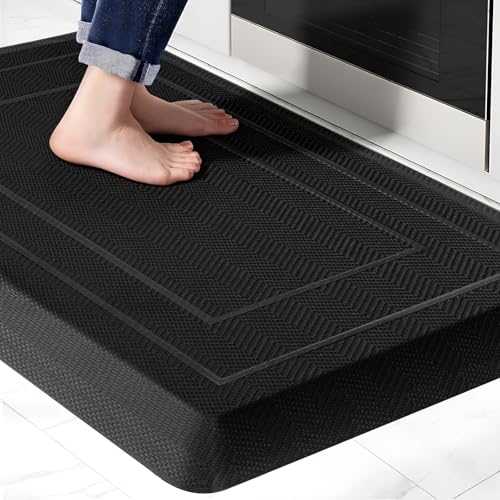
UKISS 9/10"" Extra Thick Cushioned Anti Fatigue Kitchen Mat, Waterproof High Density Foam Standing Desk Mat, Non-Slip Ergonomic Comfort Mat for Kitchen, Office,Workstation (Black, 20" X 32")
9/10" EXTRA THICK ANTI-FATIGUE COMFORT MAT:The UKISS anti-fatigue kitchen mats are ergonomically engineered,9/10"extra thick mat provides comfortable support…
As an affiliate, we earn on qualifying purchases.
As an affiliate, we earn on qualifying purchases.