This guide explains how to select and set up an ergonomic laptop stand to reduce neck and eye strain and improve comfort during long working sessions. Suitable for anyone working from home or office, this task requires no prior experience and can be completed in under 30 minutes.

Get comfort and recovery gear delivered free with Prime
- Fast, free delivery on millions of items
- Prime Video, Amazon Music and more included
- Member-only deals all year
Difficulty: Beginner | Time: 15-30 minutes
What You’ll Need
Tools & Materials:
- none needed, but a screwdriver or adjustable wrench may be helpful for some models
Knowledge:
- basic understanding of ergonomic principles
Choose a stand compatible with your laptop size and weight. Ensure your workspace allows for proper positioning after setup.
Products Worth Considering
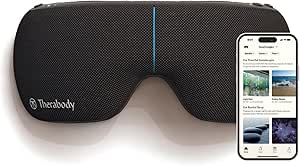
Therabody SmartGoggles 2nd Gen Heated Eye and Temple Massager

Bowflex SelectTech 840 Adjustable Kettlebell

BowFlex Results Series 552 SelectTech Adjustable Dumbbell
As an affiliate, we earn on qualifying purchases.
Before You Start
Clear your workspace of clutter and ensure your desk surface is stable. Measure your laptop dimensions if unsure of compatibility. Have your workspace lighting suitable to check positioning after setup.
Step-by-Step Instructions
Step 1: Select an appropriate ergonomic laptop stand
Choose a stand that supports your laptop size, has adjustable height and tilt features, and provides good stability. Consider stands made of sturdy materials like metal or high-quality plastic.
Tip:
Look for stands with non-slip pads or rubber feet to prevent sliding during use.
Check:
The stand feels stable and securely supports your laptop without wobbling or slipping.
Step 2: Place the stand on a flat, stable surface
Position the stand on your desk or workspace, ensuring it sits evenly and does not wobble when pressure is applied.
Tip:
Use a level if needed to confirm the surface is even.
Check:
The stand remains stable when you gently press on it from different angles.
Step 3: Position your laptop on the stand
Place your laptop onto the stand, aligning it securely within the support area. Make sure the laptop’s base rests evenly and does not overhang the edges.
Tip:
If the stand has adjustable parts, set the tilt and height to match your eye level.
Check:
Your laptop sits securely, with no wobbling, and the top of the screen aligns roughly with your eye level when seated.
Step 4: Adjust the stand for optimal ergonomic position
Set the height and tilt so that your eyes are level with the top third of the screen when seated comfortably. Ensure your elbows are at a 90-degree angle or slightly open when typing.
Tip:
Use a monitor arm or external keyboard/mouse if necessary to achieve perfect positioning.
Check:
Your neck is in a neutral position, and your eyes look straight at the screen without tilting your head or straining your neck.
Step 5: Connect peripherals and test setup
Attach any external keyboard, mouse, or cables needed. Sit in your usual working posture and verify comfort during use.
Tip:
Adjust the stand if you notice any discomfort or if the screen height needs refinement.
Check:
You experience minimal neck, shoulder, or eye strain during typical work sessions.
Common Mistakes to Avoid
- Using a stand that is too low or too high, causing neck strain. — Adjust the height so the top of the screen is at eye level when seated comfortably.
- Choosing a stand that is unstable or wobbles during use. — Select a stand with a broad base, non-slip pads, and sturdy construction.
- Not aligning the laptop or screen properly, leading to poor posture. — Ensure the screen’s top is aligned with your eye level and the keyboard is at a comfortable height.
- Ignoring cable management, causing clutter and potential hazards. — Use cable clips or ties to keep cables organized and out of the way.
Troubleshooting
Problem: The stand wobbles or feels unstable.
Solution: Check for even placement on the surface, add non-slip pads, or replace with a more stable stand.
Problem: Your neck still strains despite setup.
Solution: Reassess the screen height; ensure the top of the screen is at eye level and that your seating position allows relaxed shoulders.
Problem: Laptop overheats on the stand.
Solution: Use a stand with ventilation or add a cooling pad underneath.
What Success Looks Like
The laptop is positioned with the screen at eye level, the keyboard at comfortable height, and your posture is upright with minimal strain. You can work comfortably for extended periods without neck or eye discomfort.
Next Steps
Regularly check and adjust the stand to maintain ergonomic positioning. Clean your workspace and organize cables. Consider adding an external monitor or keyboard for further ergonomic improvements. Replace or upgrade the stand if stability or comfort diminishes over time.
Frequently Asked Questions
Can I use any laptop stand for ergonomic purposes?
No, choose a stand that is adjustable, sturdy, and supports your specific laptop size to ensure proper ergonomic positioning.
Do I need an external keyboard or mouse with a laptop stand?
Using external peripherals often improves ergonomics by allowing you to position the keyboard and mouse at a comfortable height and distance, reducing strain.
How do I know if my stand is the right height?
The top of your laptop screen should be at or slightly below eye level when seated comfortably, with your elbows at a 90-degree angle or greater when typing.
Will a stand work with all laptops?
Most stands are compatible with standard laptops, but check the size and weight limits of the stand before purchase.