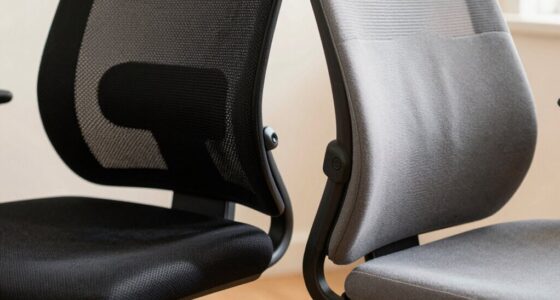
To prevent discomfort with your new chair, start with short sitting sessions and gradually increase the time. Adjust the height, lumbar support, and other settings to fit your body and promote natural support. Use proper materials care, like conditioning leather or checking mesh tension, to extend support and durability. Regularly fine-tune ergonomic features and maintain the chair to keep it comfortable and supportive over time. Keep going to discover more helpful tips for a perfect break-in.
Key Takeaways
- Start with short sitting sessions and gradually increase to allow the chair to mold comfortably to your body.
- Properly adjust ergonomic features like height and lumbar support before extended use.
- Use gentle conditioning for leather or tension checks for mesh to maintain material support.
- Periodically revisit and fine-tune ergonomic settings for ongoing comfort and support.
- Maintain the chair regularly through cleaning and proper care to preserve materials and structural integrity.

Breaking in a new chair can often feel like a tedious process, but with the right strategy, you can accelerate the comfort and durability. One of the most effective ways to do this is by focusing on ergonomic adjustments early on. Before you sit down for extended periods, take a few moments to customize the chair to your body. Adjust the height so your feet rest flat on the floor, and your knees are at a 90-degree angle. Make sure the lumbar support aligns with the curve of your lower back, which helps prevent discomfort and promotes good posture. Proper ergonomic adjustments ensure that your body gets used to the chair’s support system, reducing the break-in period and making it feel more natural over time. Additionally, understanding the importance of material durability can help you maintain the chair’s support and appearance for longer. Equally important is understanding the material durability of your new chair. Different materials, whether leather, mesh, or foam, have unique breaking-in requirements. For softer materials like leather, the break-in process often involves a gentle conditioning routine to prevent cracking and to keep the surface supple. For mesh chairs, the flexibility of the fabric usually means less adjustment, but you should still check the tension and support to make sure it conforms properly to your body. Foam cushions may soften slightly with use, but avoid excessive sitting during the initial days to prevent uneven wear. Being mindful of the material durability helps you extend the lifespan of your chair, making sure it remains comfortable and supportive for years. Incorporating the right break-in techniques can also make a significant difference in how quickly your chair adapts to your needs.
When breaking in your new chair, it’s best to start with short sitting sessions, gradually increasing the duration as your body adapts. During this process, periodically revisit your ergonomic adjustments, fine-tuning them as needed to optimize comfort and support. This not only helps with immediate comfort but also ensures the chair molds to your body more effectively. Avoid sitting on the chair all day right away; instead, give it time to settle and adjust to your body’s shape. Regularly cleaning and maintaining the materials will also contribute to their longevity, ensuring that the break-in process doesn’t compromise the chair’s appearance or function.

Ergonomic Office Chair with Adjustable Lumbar Support, 3D Arms and Headrest, High Back Wide Desk Computer Chair with Wheels, for Home & Office, Black
- High-Density Foam Cushion: 4.3-inch supportive, shape-retaining foam
- Adjustable Lumbar Support: Customizable for optimal back comfort
- 3D Adjustable Headrest: Adjusts for personalized neck support
As an affiliate, we earn on qualifying purchases.
As an affiliate, we earn on qualifying purchases.
Frequently Asked Questions
How Long Does the Break-In Process Usually Take?
The break-in process for your new chair usually takes about one to two weeks, depending on the material flexibility. During this time, you’ll notice improved ergonomic comfort as the materials soften and adjust to your body. To speed up the process, sit in the chair regularly and vary your position. This helps the material become more flexible, ensuring long-term comfort and support without discomfort.
Can I Damage My New Chair During Break-In?
Like the delicate touch of a master sculptor, you won’t damage your new chair if you follow proper break-in techniques. Avoid excessive pressure or rough handling during the process, which could harm the material or affect its aesthetic appeal. Keep maintenance tips in mind—regular cleaning and gentle use help preserve its look and comfort. So, treat your chair with care, and it’ll reward you with lasting beauty and support.
What Materials Are Best for Breaking in a Chair?
For breaking in your chair, focus on upholstery durability and frame materials. Leather or high-quality fabric upholstery tends to adapt best with gentle use, avoiding harsh cleaning agents initially. Choose sturdy frame materials like hardwood or reinforced metal, as they withstand the break-in process better. Regular, moderate use helps the materials settle without damage, ensuring comfort and longevity. Avoid excessive pressure or weight during this initial phase to protect your investment.
Is There a Risk of Odors During Break-In?
Yes, odor concerns can arise during break-in, especially with new furniture or certain materials. To minimize odors, guarantee proper ventilation by opening windows and using fans. Regularly airing out your space helps dissipate any lingering smells. You might also consider using odor absorbers like baking soda or activated charcoal nearby. These ventilation tips help keep your environment fresh while you break in your chair comfortably.
Should I Use Any Products or Tools to Speed up the Process?
Skip using products or tools to speed up the process. Instead, focus on chair customization and ergonomic adjustments to make your new chair comfortable. Regularly sit, shift positions, and gently stretch to loosen the materials naturally. This approach helps the chair mold to your body without risking damage or odors. Patience guarantees a better fit and longer-lasting comfort, making your break-in both effective and safe.

Furniture Clinic Large Leather Care Kit | Leather Cleaner + Conditioning Protection Cream for Furniture | Two 17oz Bottles + 1 Sponge & 1 Cloth | Restore Leather Couches, Car Seats, Jackets, & Boots
- Seal of Approval: Good Housekeeping Seal of Approval
- Complete Leather Care Kit: Includes cleaner, conditioner, sponge, cloth, instructions
- Effective Leather Cleaner: Removes dirt, stains, grime safely and effectively
As an affiliate, we earn on qualifying purchases.
As an affiliate, we earn on qualifying purchases.
Conclusion
Think of breaking in your new chair as tending to a young sapling. With gentle patience and steady care, you allow it to adapt and grow strong. Soon, your chair will bloom into a trusted companion, comfortable and resilient. Rushing the process risks stunting its potential, but with this mindful approach, you nurture a seat that supports you effortlessly for years to come. Trust the journey—your perfect chair is just a few gentle steps away.

Office Chair, Ergonomic Desk Chairs 330LBS Capacity High Back Mesh Computer Chair with Flip-up Armrests, Comfy Work Chair with Adjustable Lumbar Support, Rolling Chair
- Ergonomic Design for Proper Posture: Supports spine, reduces back strain
- Flip-up Armrests for Space Saving: Easily tuck under desks, soft padded arms
- Adjustable Height and Tilt: 4-inch height adjustment, 135° tilt
As an affiliate, we earn on qualifying purchases.
As an affiliate, we earn on qualifying purchases.
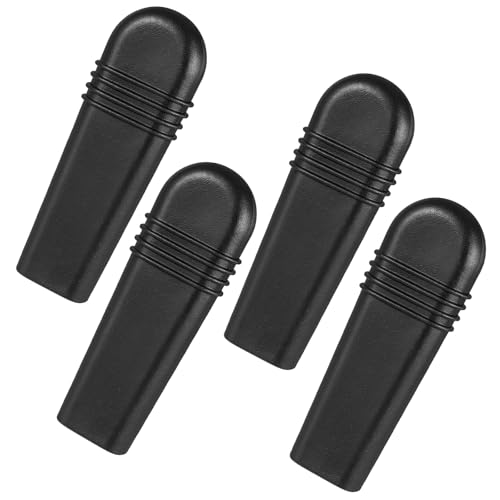
4 PCS Replacement of Wheelchair Brake Handle Cover, Replacement Brake Handle Tips Flat Wheel Lock Grips, Wheelchair Wheel Lock Cover Replacements Rubber Tips for Wheelchairs Handles Brakes
- Perfect Size for Compatibility: Fits standard wheelchair brake tips
- Durable Rubber Material: Wear-resistant and long-lasting
- Ergonomic Non-Slip Grip: Reduces hand strain and provides comfort
As an affiliate, we earn on qualifying purchases.
As an affiliate, we earn on qualifying purchases.