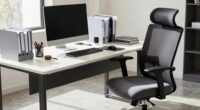
If you sit all day in an unsupportive chair, your hip flexors can stay shortened, causing tightness and discomfort. Poor ergonomic design often prevents movement and encourages muscle shortening over time. Taking regular breaks, stretching, and adjusting your sitting position can help counteract this. Using an ergonomic chair or sit-stand desk can make a big difference. Keep going to discover more ways to relieve your hip tightness and improve mobility.
Key Takeaways
- Prolonged sitting shortens hip flexors, leading to tightness and reduced mobility.
- Non-ergonomic chairs can contribute to poor posture and muscle imbalance, worsening hip tightness.
- Lack of movement and stretching during the day prevents muscle relaxation and flexibility.
- Adjustable or sit-stand desks help break up sitting time and maintain hip flexibility.
- Regular stretching and position changes are essential to counteract chair-related muscle shortening.
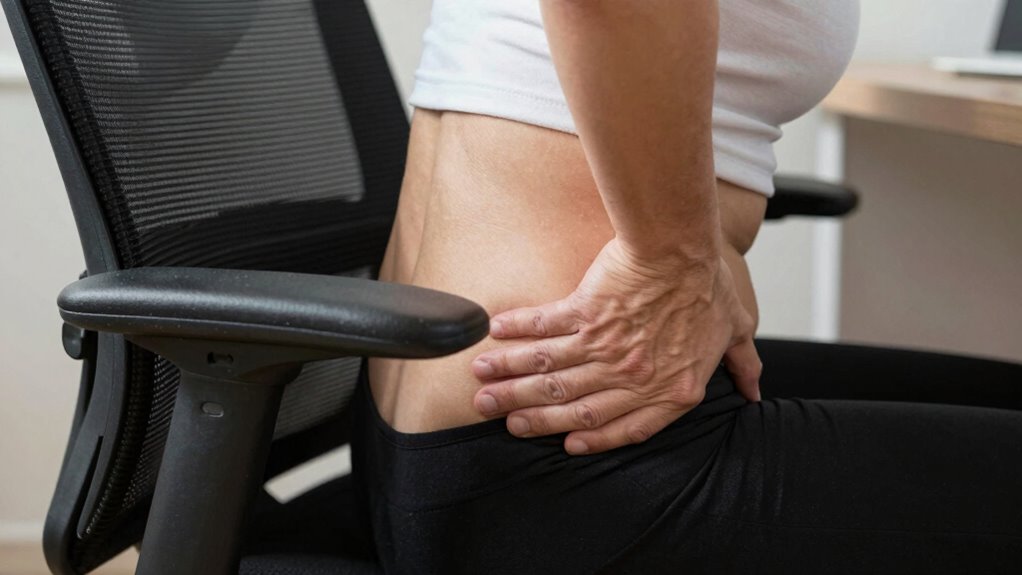
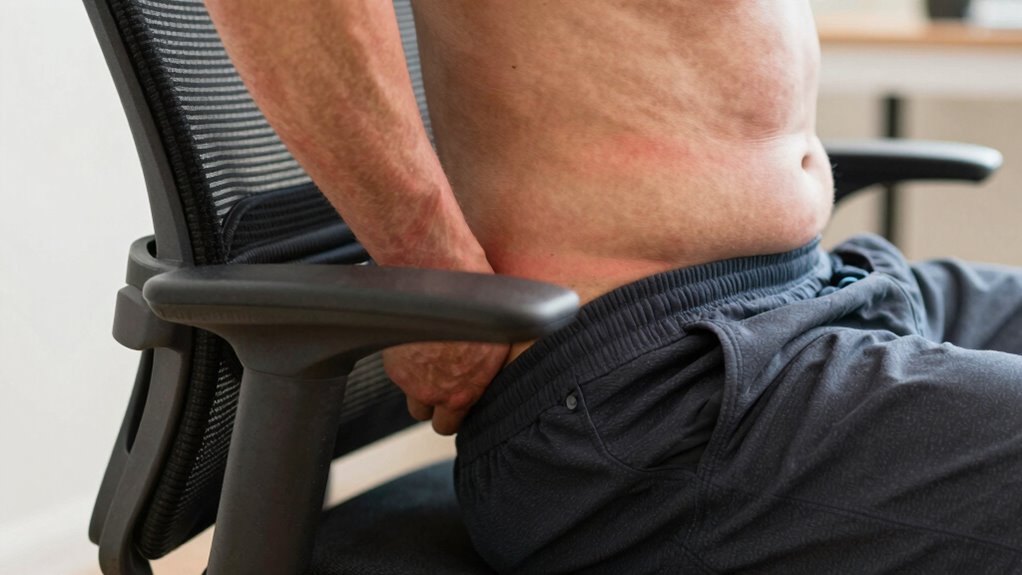
If you’ve spent hours sitting at a desk or on your couch, you might notice your hips feeling tight and stiff. That tightness isn’t just uncomfortable; it can also limit your hip flexibility and lead to discomfort or even pain. Your sitting habits, combined with the design of your chair, play a significant role in this issue. When you stay seated for long periods, your hip flexors and surrounding muscles remain in a shortened position. Over time, this can cause them to tighten, reducing your overall mobility and making even simple movements feel awkward or strained.
The good news is that addressing this problem starts with understanding how your chair influences your hips. Many standard chairs lack proper ergonomic solutions that promote movement and support healthy posture. When your hips are constantly flexed, they become accustomed to that shortened state, which worsens stiffness. To combat this, you should consider ergonomic solutions that encourage more dynamic sitting. Adjustable chairs that allow you to change your seated position or support proper lumbar and hip alignment can make a big difference. Incorporating a sit-stand desk, for example, enables you to alternate between sitting and standing, which helps stretch your hip muscles and maintain better hip flexibility.
Beyond investing in better furniture, it’s essential to take regular breaks and incorporate movement into your routine. Short, frequent stretching sessions can counteract the effects of prolonged sitting. Focus on hip-opening stretches like lunges, hip circles, or pigeon pose, which target the hip flexors and surrounding muscles. These stretches help release tightness and restore mobility. If you sit for long stretches, set a timer to remind yourself to stand, walk around, or do some gentle stretches every 30 to 60 minutes. This habit keeps your muscles from becoming overly tight and maintains your hips’ range of motion. Incorporating proper ergonomic solutions can further help prevent tightness and discomfort. Additionally, understanding the importance of muscle balance can help you develop a more comprehensive approach to relieving hip tightness.
To maximize your efforts, consider integrating movement variety into your daily routine, which can prevent muscles from adapting to a single position and becoming stiff. Regularly switching positions and engaging in different types of movement can also prevent muscle imbalances, which are often a cause of stiffness and discomfort. Remember, the key to easing hip tightness is a combination of ergonomic solutions, consistent movement, and targeted stretching. When you prioritize these habits, you’ll find that your hips feel less stiff, more flexible, and much more comfortable throughout the day. Small changes to your sitting environment and routine can make a significant difference in how your hips feel after hours of sitting.

Marsail Ergonomic Office Chair: Office Desk Chair with High Back Mesh and Adjustable Lumbar Support Rolling Work Swivel Task Chairs with Wheel 3D Armrests and Headrest
- Fully Adjustable Headrest: 2D adjustable for personalized support
- Reclining Backrest: Adjusts from 90° to 120°
- 3D Adjustable Armrests: Customizable for comfort
As an affiliate, we earn on qualifying purchases.
As an affiliate, we earn on qualifying purchases.
Frequently Asked Questions
Can Standing Desks Reduce Hip Tightness Caused by Sitting?
Yes, standing desks can help reduce hip tightness caused by sitting. They promote ergonomic adjustments and encourage better posture correction, which prevents muscles from becoming stiff. When you alternate between sitting and standing, you reduce prolonged pressure on your hips, stretch muscles, and improve circulation. This movement helps relieve tightness, keeping your hips more flexible and comfortable throughout the day. Just make sure to adjust your desk properly for maximum benefit.
Are Certain Chair Types Better for Preventing Hip Tightness?
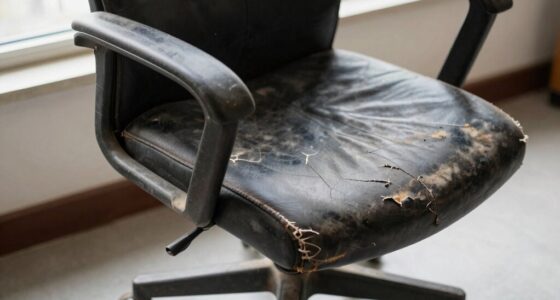
Absolutely, choosing the right chair can make your hips feel like they’ve won the lottery! Opt for ergonomic designs that support proper posture and reduce strain. Chairs with breathable materials keep you comfortable all day, preventing tightness and stiffness. Avoid hard, unsupportive materials that trap heat and cause discomfort. Your best bet is an ergonomic chair with adjustable features and quality materials—your hips will thank you for it!
How Long Should I Sit Before Taking a Break?
You should take a break every 30 to 60 minutes of sitting. During this sitting duration, make ergonomic adjustments like changing your posture or adjusting your chair to reduce hip tightness. Stand up, stretch, or walk around briefly to prevent stiffness and improve blood flow. Regular breaks help avoid discomfort and protect your hips, especially if you spend long hours sitting, making it essential to listen to your body’s signals.
Does Stretching Before Sitting Help Prevent Hip Tightness?
Ever wonder if pre-sitting stretches can really help? They definitely can! Doing hip flexibility exercises before sitting helps loosen up your muscles, reducing tightness. Incorporate simple stretches like leg swings or hip circles to prepare your hips. Pre-sitting stretches boost blood flow and increase mobility, making it easier to sit comfortably longer. So, yes—stretching beforehand is a smart move to prevent hip tightness and keep your hips happy throughout the day.
Can Hip Tightness Lead to Long-Term Mobility Issues?
Yes, hip tightness can lead to long-term mobility issues if left unchecked. When your hip flexibility decreases, it strains surrounding muscles and joints, increasing the risk of joint deterioration over time. This can cause reduced range of motion and difficulty performing daily activities. To prevent this, prioritize stretching and strengthening exercises, and consult a healthcare professional if you notice persistent tightness, ensuring your hips stay healthy and mobile for the future.

Huuger Electric Standing Desk with Power Outlets and USB-C Port, 47 X 24 Inch Height Adjustable Desk, Sit Stand Desk for Home Office, Computer & Gaming Desk with 4 Presets, Rustic Brown
- Built-in Power Outlets: 4 AC, 1 USB, 1 Type-C ports
- Cable Management System: Keeps cords organized and tidy
- Height Adjustment Range: 28.7" to 46.5" with presets
As an affiliate, we earn on qualifying purchases.
As an affiliate, we earn on qualifying purchases.
Conclusion
So, next time your hips feel tighter than your grandma’s grip at a family reunion, don’t blame yourself—blame your chair. It’s practically auditioning for a role as the villain in your daily routine. Maybe consider stretching, standing, or even a quick dance break. Because if your hips had a vote, they’d probably choose freedom over the relentless tyranny of sitting. Remember, your chair isn’t just furniture; it’s the sneaky saboteur of hip happiness.

Resistance Bands for Working Out, Physical Therapy, Exercise, Pilates, Yoga
- Multiple Resistance Levels: Five color-coded resistance options
- Versatile Exercise Use: Suitable for workout, therapy, Pilates, yoga
- High-Quality TPE Material: Durable, latex-free, skin-friendly bands
As an affiliate, we earn on qualifying purchases.
As an affiliate, we earn on qualifying purchases.
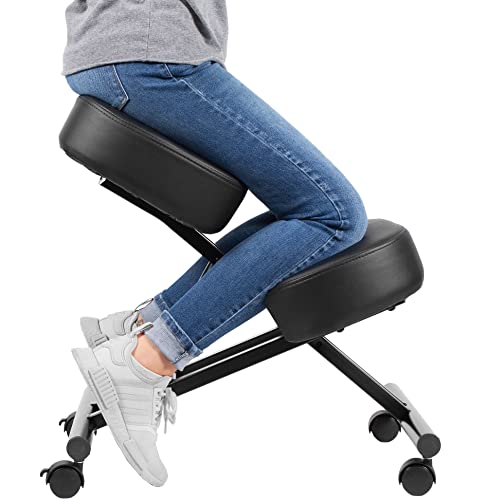
Ergonomic Kneeling Chair, Adjustable Stool for Home and Office – Improve Your Posture with an Angled Seat – Thick Comfortable Moulded Foam Cushions – Brake Casters
- Ergonomic Support: 3-inch vinyl cushion for comfort
- Improves Posture: Aligns spine and distributes weight
- Sturdy Metal Base: Supports up to 250 lbs
As an affiliate, we earn on qualifying purchases.
As an affiliate, we earn on qualifying purchases.