
TL;DR
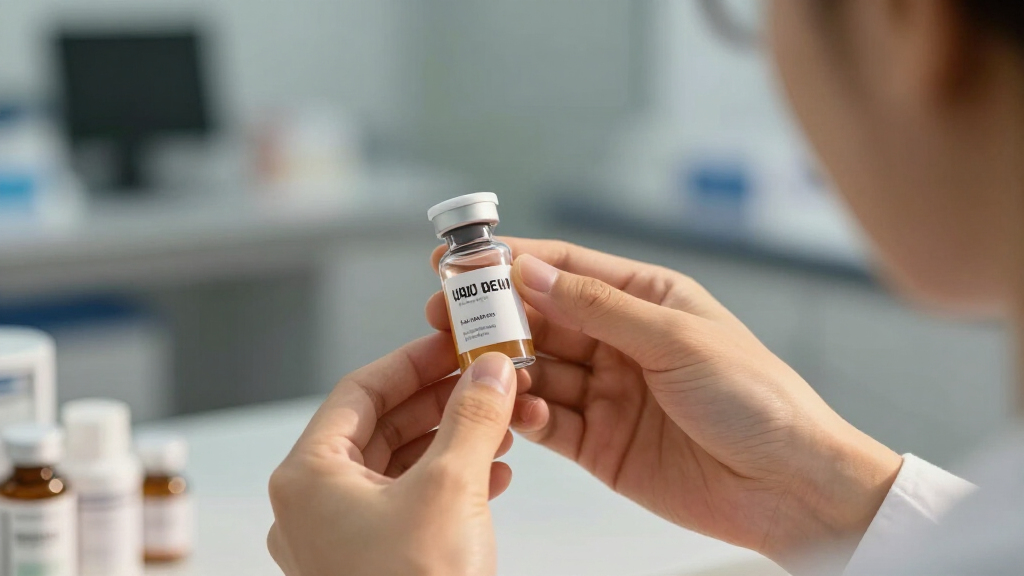
The U.S. Food and Drug Administration is currently assessing the safety and regulatory status of peptides for potential use in supplements and therapies. This review could impact how peptides are marketed and used in the future, but many details remain unclear.
The FDA is currently evaluating peptides for possible inclusion in dietary supplements and medical treatments, marking a significant step in how these compounds may be regulated in the United States. This review could influence the availability and marketing of peptides, which have gained popularity for their purported health benefits. The agency’s assessment is part of a broader effort to clarify safety standards and regulatory pathways for emerging bioactive compounds.

Get comfort and recovery gear delivered free with Prime
- Fast, free delivery on millions of items
- Prime Video, Amazon Music and more included
- Member-only deals all year
Peptides are short chains of amino acids that occur naturally in the body and are used in various health and wellness products. The FDA’s review, announced in late 2023, aims to determine whether peptides should be classified as dietary supplements, drugs, or require other regulatory oversight.
Sources confirm that the FDA has not yet issued specific guidelines or finalized any regulatory decisions regarding peptides. The agency is conducting a comprehensive assessment of scientific data, safety profiles, and manufacturing practices related to these compounds.
Industry experts note that peptides are increasingly marketed for purposes such as anti-aging, muscle growth, and immune support, often without FDA approval or oversight. The review process could lead to stricter regulations or clearer labeling requirements, affecting manufacturers and consumers alike.
Implications of FDA’s Peptide Evaluation for Consumers and Industry
This development is significant because it could reshape the regulatory landscape for peptides, which are currently sold in a largely unregulated manner in many cases. A formal review by the FDA might lead to new safety standards, labeling requirements, or restrictions on certain products. For consumers, this could mean more reliable information and safer options, but it might also limit access to some supplements or therapies that rely on peptides. Industry stakeholders are watching closely, as regulatory changes could impact product development, marketing, and sales.
Products Worth Considering

Therabody Theragun Relief Massage Gun, 3-Speed, Navy
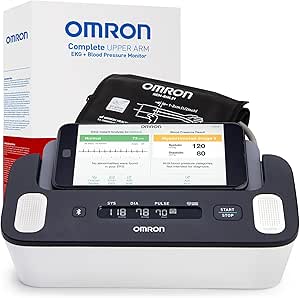
OMRON Complete 2-in-1 Upper Arm Blood Pressure Monitor with EKG

Philips Sonicare DiamondClean 9500 Electric Toothbrush, Black, with 3 Brush Heads
As an affiliate, we earn on qualifying purchases.
Background on Peptides and Regulatory Challenges
Peptides have gained popularity over recent years due to their perceived health benefits and use in anti-aging and fitness communities. Despite their widespread availability, the regulatory status of peptides has been ambiguous, with many products sold as dietary supplements without FDA approval. Historically, the FDA has taken action against unapproved peptide products when safety concerns arose, but there has been no comprehensive review or clear regulatory pathway until now.
The agency’s current review aligns with broader efforts to regulate emerging bioactive compounds, especially as scientific research on peptides advances. Prior to this, some peptides have been classified as drugs, requiring rigorous approval processes, while others have been marketed with minimal oversight.
“The FDA is committed to ensuring the safety and efficacy of products on the market, and our review of peptides is part of that ongoing effort.”
— FDA spokesperson
What Specific Regulations or Outcomes Are Still Unclear
It is not yet clear what specific regulatory framework the FDA will adopt for peptides, whether they will be classified as dietary supplements, drugs, or subjected to new categories. The timeline for final decisions remains uncertain, and the potential impact on existing products and market access is still developing. Additionally, details about the scientific criteria and safety thresholds the FDA will use are not yet available.
Next Steps in FDA’s Peptide Review Process
The FDA is expected to publish preliminary guidelines or findings in the coming months as it continues its review. Stakeholders, including manufacturers and consumer groups, are likely to be involved in consultations or comment periods. Final regulatory decisions could be announced within the next year, which will determine the future landscape for peptide products in the U.S.
Key Questions
What are peptides and why are they popular?
Peptides are short chains of amino acids naturally occurring in the body. They are popular in wellness and anti-aging communities for their purported benefits, including muscle growth, skin health, and immune support, though scientific evidence varies.
How might the FDA regulation affect peptide products?
If regulated as drugs or requiring approval, many peptide products might face stricter testing, labeling, and manufacturing standards. This could limit availability or increase costs for consumers.
Are all peptides currently approved by the FDA?
No. Most peptides sold as supplements are not FDA-approved, and their safety and efficacy are not officially verified by the agency.
When will the FDA make a final decision on peptides?
The timeline is uncertain, but preliminary guidance or findings are expected within the next several months, with final decisions possibly within a year.
Should consumers stop using peptide products now?
Consumers should consult healthcare professionals before using peptide products, especially as regulatory changes could affect product safety, quality, and availability.
Source: rss