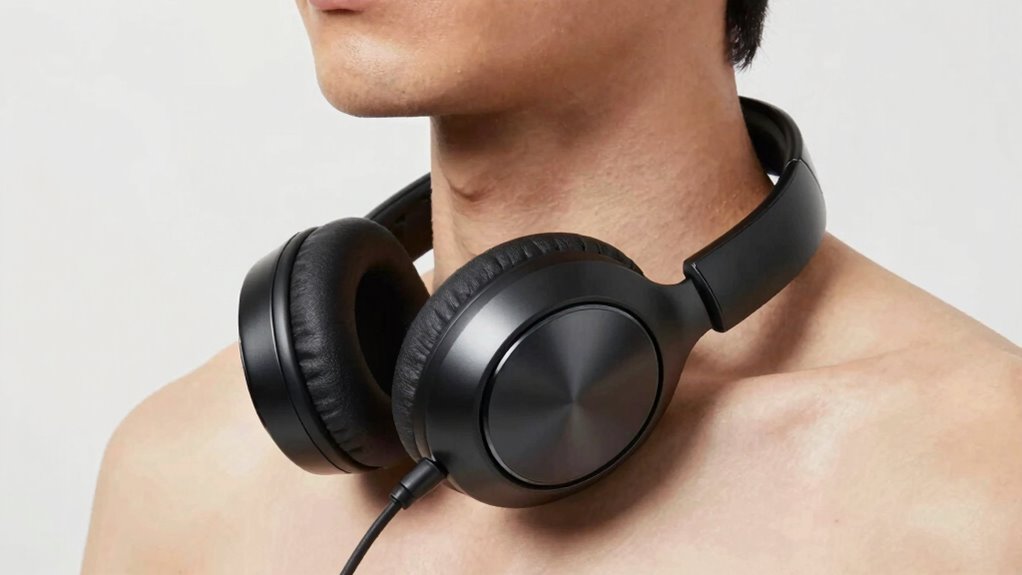

A good headset can markedly reduce pressure on your neck by evenly distributing weight and supporting natural head movement. When designed with balanced weight, lightweight materials, and cushioned padding, it keeps your neck muscles relaxed and prevents soreness over long periods. Proper fit and ergonomic features also help avoid muscle strain and headaches. If you stay tuned, you’ll discover how choosing the right headset makes a real difference in comfort and long-term wear.

Get comfort and recovery gear delivered free with Prime
- Fast, free delivery on millions of items
- Prime Video, Amazon Music and more included
- Member-only deals all year
Key Takeaways
- Proper weight distribution prevents neck strain by keeping the load centered and evenly balanced.
- Lightweight materials reduce overall headset weight, lessening pressure on neck muscles.
- Padding absorbs pressure, decreasing direct contact and discomfort during extended use.
- Adjustable features ensure a personalized fit, promoting relaxed neck and head posture.
- Ergonomic design aligns with natural movements, minimizing muscle tension and enhancing comfort.
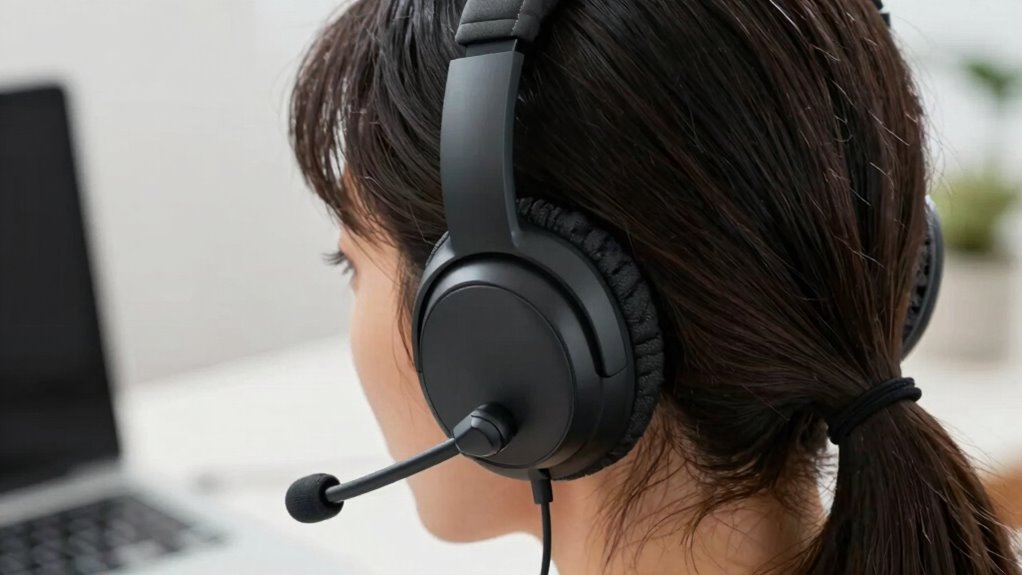
Many headsets tend to be heavy or unevenly balanced, which can cause you to tilt or crane your neck to compensate. This imbalance can lead to tension in the neck and shoulders, especially during extended use. A high-quality headset with thoughtful weight distribution helps keep the load centered and evenly spread across your head. This means your neck muscles stay relaxed and less stressed, even after hours of use. The key is to look for models that feature lightweight materials or padding that absorbs some of the pressure, rather than pressing directly against your head or neck. When the weight is distributed properly, you avoid the common pitfalls of neck soreness or headaches caused by overtaxed muscles. Proper weight distribution is essential for maintaining comfort during prolonged use. Additionally, considering ergonomic design can further enhance comfort by aligning with natural head and neck movements, reducing strain over time. Ensuring the headset has adjustable features can also help customize the fit for better personal comfort. Furthermore, selecting models with balanced weight can significantly improve overall comfort during extended wear.
Products Worth Considering

BowFlex Results Series 552 SelectTech Adjustable Dumbbell
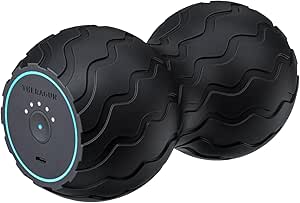
Therabody WaveDuo Contoured Vibrating Back and Neck Roller

BowFlex Results Series SelectTech Adjustable Dumbbells, Pair
As an affiliate, we earn on qualifying purchases.
Frequently Asked Questions
How Do Different Headset Designs Impact Neck Strain?
Different headset designs greatly impact neck strain by promoting ergonomic posture and reducing muscle tension. Over-ear headsets distribute weight more evenly, minimizing pressure on your neck, while lightweight, adjustable headbands prevent strain during long use. Good audio clarity ensures you don’t have to lean in or strain to hear, further easing tension. Choosing a headset aligned with your head shape and preferences helps maintain comfort, preventing neck discomfort over time.
Can Headset Weight Affect Long-Term Neck Comfort?
You might not realize it, but the weight of your headset can influence long-term neck comfort. If it’s too heavy, it can subtly pull your head forward, disrupting your ergonomic posture. Over time, this strain adds up, causing discomfort and fatigue. Choosing a lightweight headset with ample padding helps distribute weight evenly, keeping your neck relaxed and protected, even during extended use. Don’t underestimate the power of proper design for your comfort.
Are There Specific Materials That Reduce Neck Pressure?
Yes, certain materials and ergonomic features can reduce neck pressure. Material innovation, like lightweight plastics and cushioned padding, helps lessen overall weight and discomfort. Ergonomic designs with adjustable headbands and balanced weight distribution further ease neck strain. By choosing headsets made from these advanced materials and features, you’ll experience less pressure on your neck during long hours, making your listening and communication more comfortable and sustainable over time.
How Often Should I Replace My Headset for Optimal Comfort?
Ever wonder how often you should replace your headset for maximum comfort? Generally, every 1 to 2 years, especially if you notice discomfort or wear and tear. Prioritize gaming ergonomics by choosing a headset that fits well and supports your head. Also, maintain headset hygiene by cleaning it regularly to prevent skin irritation. Replacing your headset when needed guarantees better comfort, healthier hygiene, and an improved gaming experience.
Does Headset Adjustability Influence Neck Support?
Yes, headset adjustability greatly influences neck support by enhancing its ergonomic benefits. When you can easily customize the fit—adjusting the headband, ear cups, and mic positioning—you reduce unnecessary strain on your neck and shoulders. A well-adjusted headset aligns properly with your head, providing better weight distribution and comfort. This tailored fit helps prevent discomfort, allowing you to focus on your tasks without feeling the strain that comes from an ill-fitting headset.
Conclusion
So, next time your neck’s begging for mercy, just grab a good headset. Who knew that a simple piece of tech could save your spinal health? Forget fancy ergonomic chairs or miracle remedies—just slap on those headphones and let them do the heavy lifting. After all, why bother with proper posture when you’ve got a headset to cushion your misery? Cheers to saving your neck—and maybe your dignity!