
TL;DR
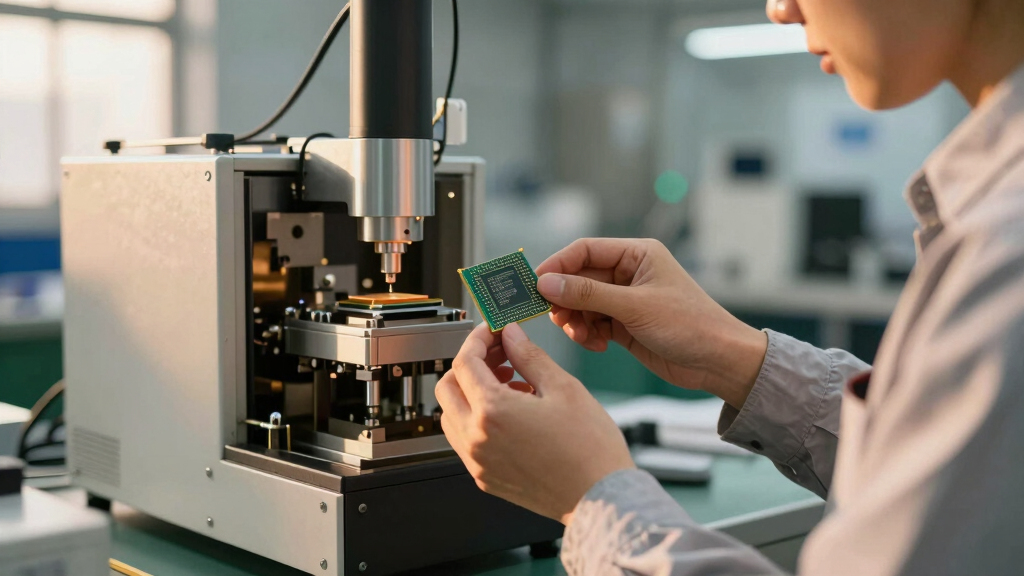
Jim Keller’s startup announced plans to build a factory dedicated to mass-producing small-scale chip fabrication units. This development could impact chip manufacturing and supply chain resilience. Details about the project are still emerging.
Jim Keller’s startup has publicly announced plans to build a factory dedicated to mass-producing small semiconductor fabrication units, or ‘small chip fabs.’ This initiative aims to address supply chain constraints and reduce the costs associated with traditional large-scale chip manufacturing, making advanced chip production more accessible and flexible.

Get comfort and recovery gear delivered free with Prime
- Fast, free delivery on millions of items
- Prime Video, Amazon Music and more included
- Member-only deals all year
Potential Impact on Semiconductor Manufacturing and Supply Chains
This development could reshape the semiconductor industry by enabling more localized and scalable chip production, reducing dependence on large, centralized fabs. If successful, it might accelerate innovation, lower costs, and improve supply chain resilience amid ongoing global chip shortages. However, the project’s success depends on technological feasibility and market adoption, which are still uncertain at this stage.Products Worth Considering

Withings Body Scan Smart Scale with Segmental Body Composition and ECG, Black

Withings Body Smart Wi-Fi and Bluetooth Body Composition Scale

Levoit Core 400S-P Smart Air Purifier for Large Rooms
As an affiliate, we earn on qualifying purchases.
Background on Modular Chip Fabrication and Jim Keller’s Industry Role
Jim Keller is a prominent chip designer with a history of leading projects at major companies like AMD, Apple, and Tesla. His new startup’s focus on small chip fabs aligns with broader industry trends toward modular and flexible manufacturing solutions. While the concept of small, portable fabs has been discussed in industry circles for years, concrete efforts to commercialize such technology are limited. Keller’s venture represents one of the most significant moves toward actualizing this idea, aiming to disrupt traditional semiconductor fabrication paradigms.
“Our goal is to make chip manufacturing more accessible and adaptable by developing scalable, small-scale fabrication units that can be deployed anywhere.”
— Jim Keller
Technology Feasibility and Market Adoption Still Unclear
It is not yet confirmed how advanced or scalable the proposed small chip fabrication units will be, or whether they can match the performance and yield of traditional fabs. Details about the factory’s size, investment, or timeline are still undisclosed. Market reception and regulatory considerations remain unknown, making the project’s ultimate success uncertain at this stage.
Next Steps Include Prototype Development and Funding Announcements
The startup is expected to release initial prototypes within the next 12 months. Further details about funding, factory location, and deployment plans are anticipated in upcoming industry disclosures or investor briefings. Monitoring these developments will be key to assessing the project’s progress and potential industry impact.
Key Questions
What exactly are small chip fabrication units?
Small chip fabrication units are modular, compact manufacturing tools designed to produce semiconductor chips on a smaller scale than traditional fabs. They aim to be more flexible, cost-effective, and deployable in diverse locations.
Why is this development significant for the semiconductor industry?
If successful, it could enable more localized and scalable chip production, reduce supply chain vulnerabilities, and lower entry barriers for new manufacturers, potentially transforming industry dynamics.
When will the factory be operational?
Details about the factory’s construction timeline and operational date have not yet been announced. The company expects to develop initial prototypes within the next year.
How might this impact global chip shortages?
Decentralized, smaller fabs could help alleviate supply chain bottlenecks by increasing manufacturing capacity in various regions, but this depends on technological success and market adoption.
Who is Jim Keller, and why is his involvement notable?
Jim Keller is a renowned chip designer with leadership roles at AMD, Apple, and Tesla. His involvement lends credibility and industry expertise to the project, raising expectations for its potential impact.
Source: hn